A data scientist building a local AI model no longer needs to stretch her budget to secure the GPU power she requires. Two Radeon GPUs—AMD’s RX 9060 XT and the flagship RX 9070 XT—have just hit their lowest prices in Japan, trimming costs by double digits compared to recent peaks.
This price correction comes after months of volatility in the GPU market. Earlier this year, VRAM shortages and strong demand pushed prices upward, but the tide has turned. Retailers are now offering spring discounts that bring these RDNA 4 GPUs closer to their original launch pricing, making them more accessible than they’ve been since their debut.
At the forefront of this shift is a prominent Japanese retailer, listing both GPUs at record lows. The RX 9060 XT 16 GB model, for instance, has dropped to $379—a level that undercuts current average prices by around 16 %. Meanwhile, the RX 9070 XT 16 GB is available for $632, nearly 19 % below its recent market average.
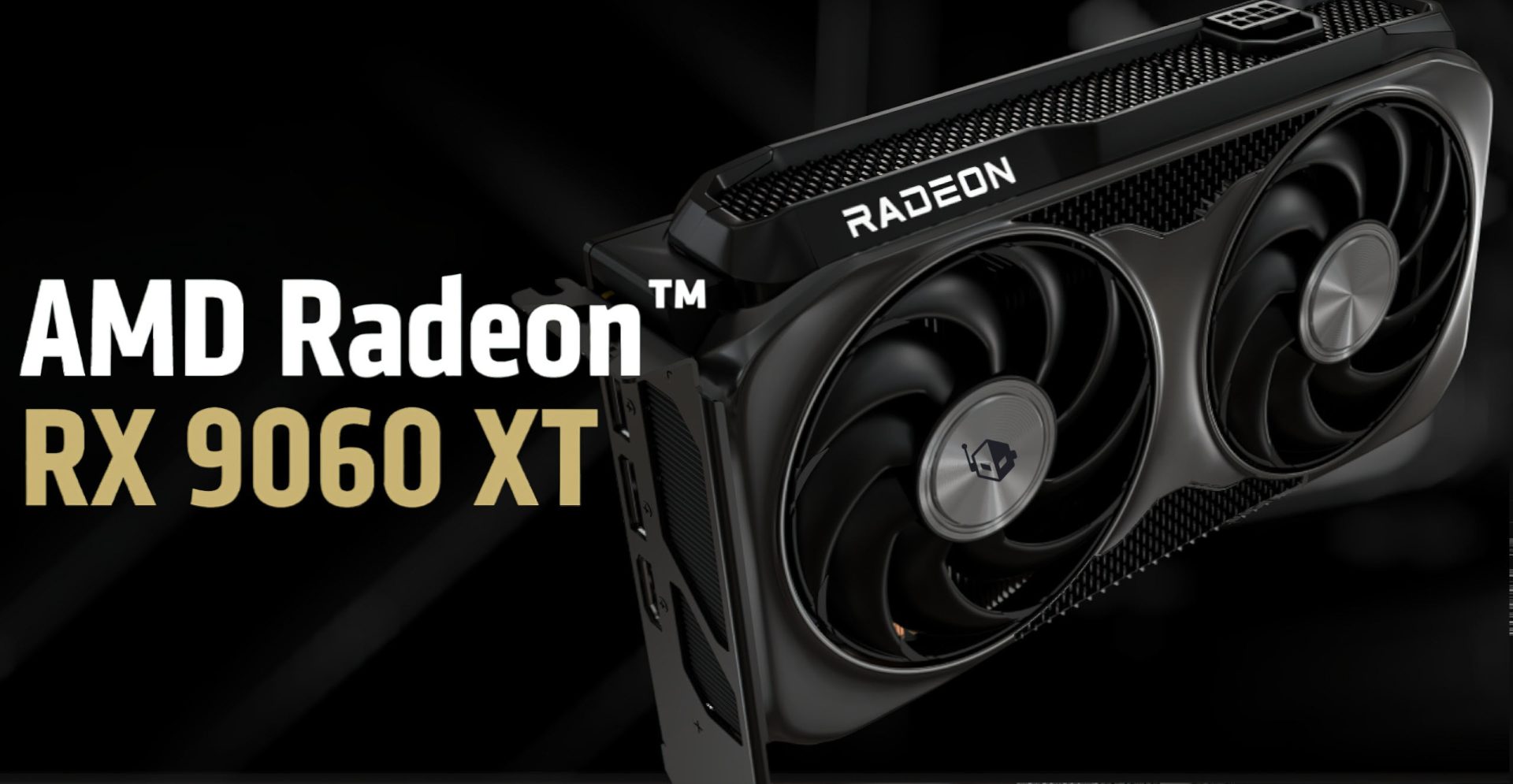
Key specs
- Model: Sapphire PURE Radeon RX 9060 XT Gaming OC 16 GB
- Price: $379
- VRAM: 16 GB GDDR6
- Architecture: RDNA 4
- Model: Sapphire PULSE Radeon RX 9070 XT Gaming 16 GB
- Price: $632
- VRAM: 16 GB GDDR6
- Architecture: RDNA 4
The RX 9060 XT and RX 9070 XT are built on AMD’s latest RDNA 4 architecture, delivering improved ray-tracing performance and efficiency over their predecessors. The RX 9060 XT is positioned as a mid-range option, while the RX 9070 XT targets high-end workloads—both ideal for AI training, rendering, and real-time graphics tasks.
These price drops are particularly notable because they follow a period when similar GPUs in other regions remained significantly higher. Buyers in Japan can now secure RDNA 4 performance at levels that were previously seen only during holiday sales or limited-time promotions. For organizations running data-heavy workloads, this represents a rare opportunity to upgrade without the usual cost overruns.
The RX 9060 XT and RX 9070 XT remain strong contenders in the performance-per-dollar race, especially for buyers who prioritize AMD’s ray-tracing capabilities and FSR 4 support. With prices now at or near launch levels, there is little incentive to wait—unless VRAM availability tightens again.