Framework’s modular laptop has always been a calculated risk—one that relies on balancing affordability with performance. But a sudden 30% jump in RAM prices since late last year is testing whether that balance can hold. The company, which markets itself as a budget-friendly alternative to premium brands, now faces a critical question: Can its modular architecture adapt without pushing costs beyond what its customers are willing to pay?
Modularity at a Crossroads
The core appeal of Framework’s design is its flexibility—users can swap out components like RAM and storage as needed. But that promise hinges on keeping the initial price low enough to attract mainstream buyers. With RAM now significantly more expensive than anticipated, Framework must decide whether to absorb the cost or adjust pricing, risking a shift in its market positioning.
Market Forces at Play
The RAM market shows no immediate signs of easing. Suppliers point to sustained demand from gaming and AI applications, combined with lingering supply chain bottlenecks that have persisted longer than expected. For Framework, which targets everyday users rather than high-end consumers, this creates a delicate dilemma: raising prices could drive customers toward cheaper competitors, while absorbing costs may strain profitability.
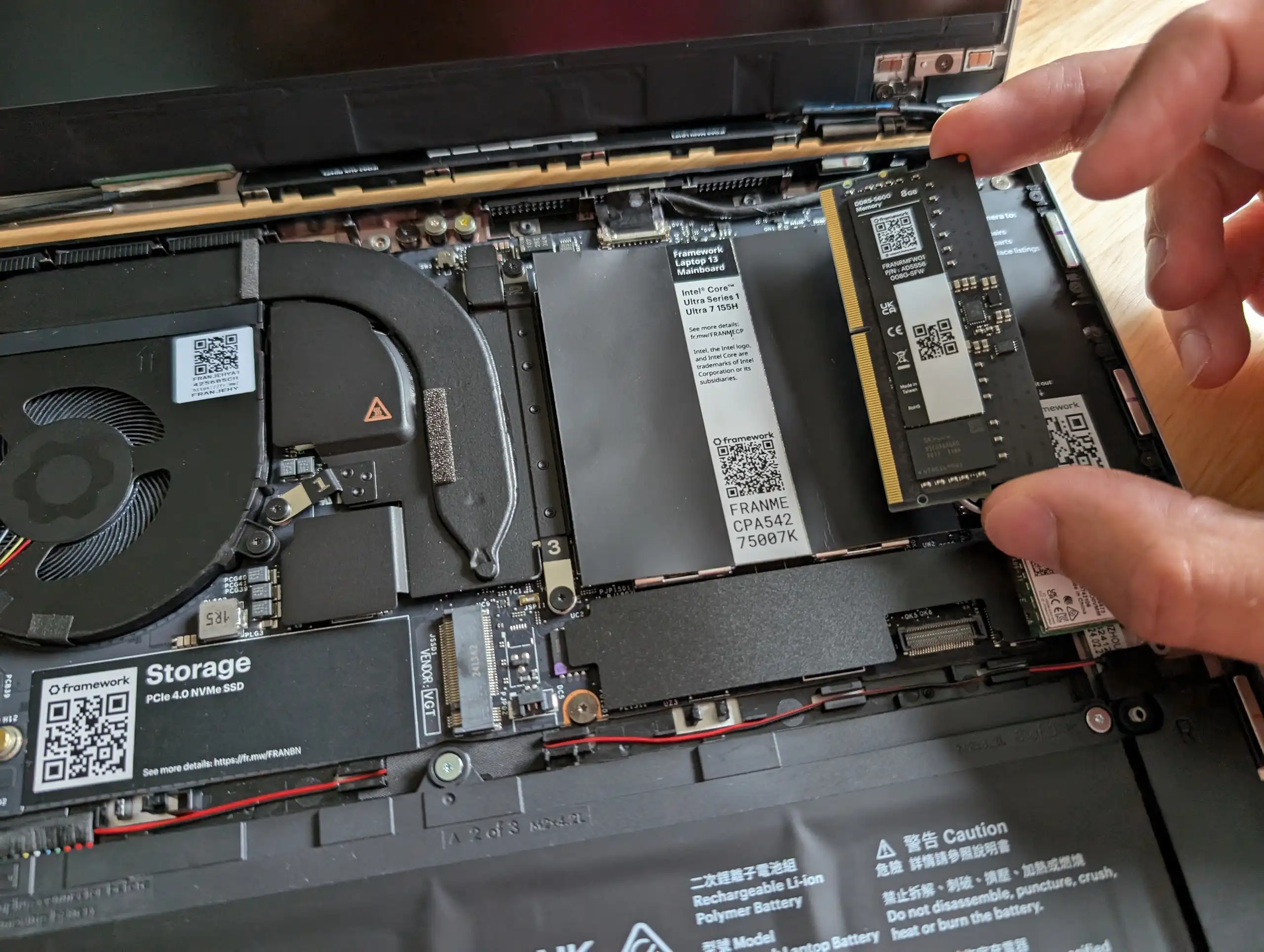
- Current RAM Specifications:
- Baseline configuration: 16 GB DDR4 (2666 MHz)
- Price increase: Approximately 30% since Q4 2023
- Impact: Directly affects Framework’s mid-tier market strategy
No price adjustments have been announced yet, but industry analysts suggest Framework may need to act soon. If it moves too aggressively on pricing, it risks losing ground to competitors who can still offer lower-cost options.
A Shift in Strategy?
Framework’s original strategy assumed that modularity would justify a higher upfront cost by allowing users to upgrade over time. But if RAM—a frequently upgraded component—becomes too expensive from the start, that value proposition weakens. For everyday users, the practical consequence is clear: a laptop designed for longevity may feel less flexible when the most useful upgrades become financially unfeasible.
Looking Ahead
The coming months will reveal whether Framework can navigate this challenge without compromising its core identity. Suppliers predict RAM prices could stabilize by mid-2024, but no significant drops are expected before then. Buyers should keep an eye on both pricing updates and how the company responds to supply chain pressures—neither is guaranteed to follow its original timeline.