Razer’s CEO has drawn a sharp distinction between the gaming community’s aversion to low-quality generative AI outputs and its openness to AI tools that improve development workflows. The company is doubling down on AI with a $600 million investment, targeting areas like quality assurance (QA) where it claims AI could reduce costs by up to 40%. However, the strategy risks alienating players already skeptical of AI’s role in gaming, particularly when it comes to content generation.
At CES 2026, Razer framed its AI initiatives as a way to ‘augment’ rather than replace human creativity. The focus is on behind-the-scenes applications—such as automated bug detection or typo correction—that could accelerate game development without compromising artistic integrity. Yet the line between helpful automation and what the CEO describes as ‘slop’ remains blurred, especially as AI-driven content generation tools proliferate.
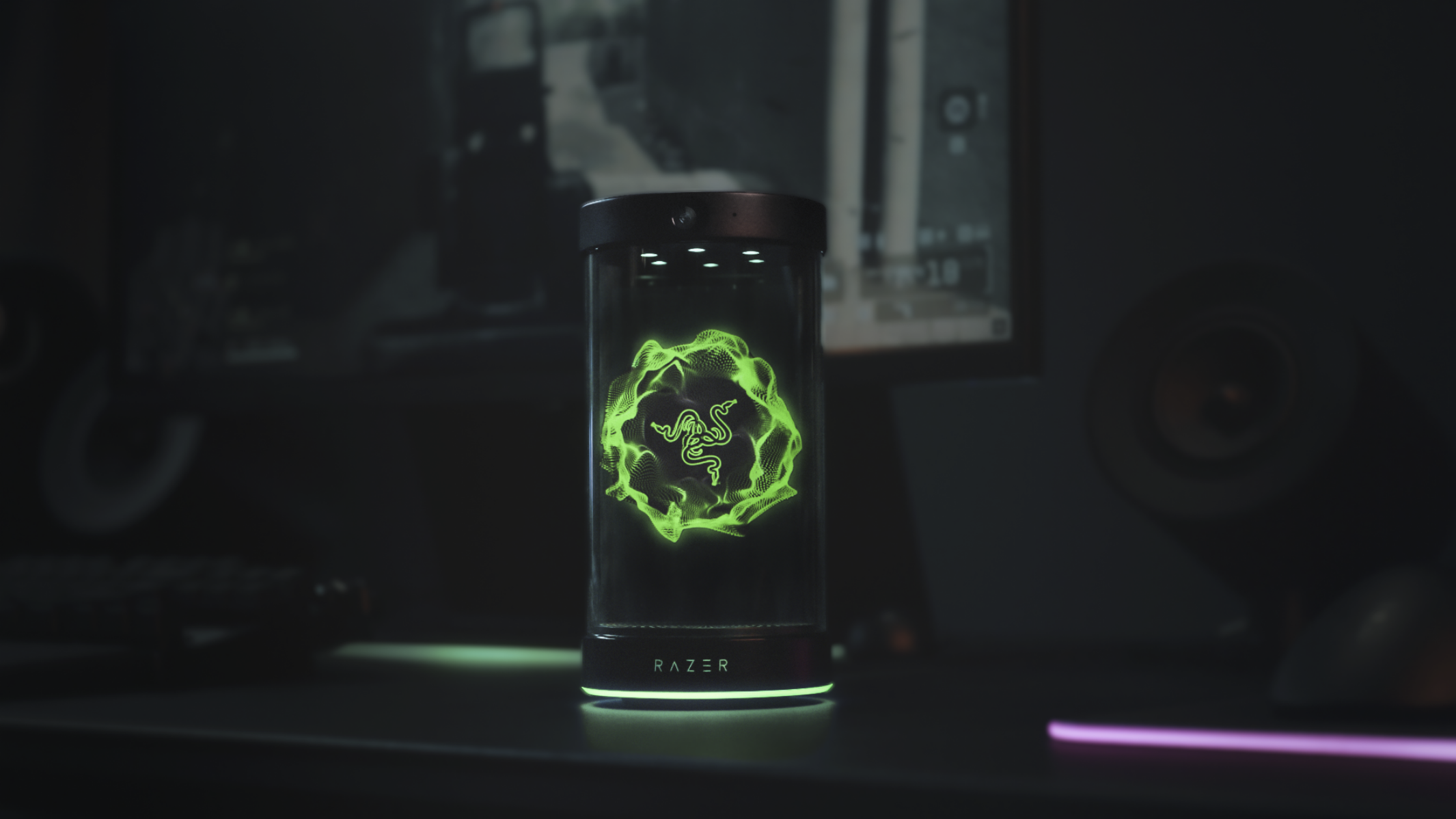
One of Razer’s key projects is a QA Companion AI designed to streamline testing processes. If successful, it could address a long-standing pain point: QA often consumes 40% of a game’s development budget and contributes to delays. But skepticism lingers. While some studios experiment with AI for efficiency gains, others—including high-profile developers like Larian Studios—have explicitly banned generative AI tools from concept art, fearing creative dilution.
The debate extends beyond Razer. Industry-wide concerns include the impact of AI on RAM pricing and whether automation will lead to cheaper but lower-quality games. The CEO acknowledges these tensions, arguing that gamers ultimately want ‘better, more engaging’ experiences—so long as AI serves as a tool rather than a replacement for human effort.
Razer’s approach may resonate with developers seeking productivity gains, but it also highlights the industry’s fragmented stance on AI. Whether the company can bridge that gap without alienating its core audience remains an open question.