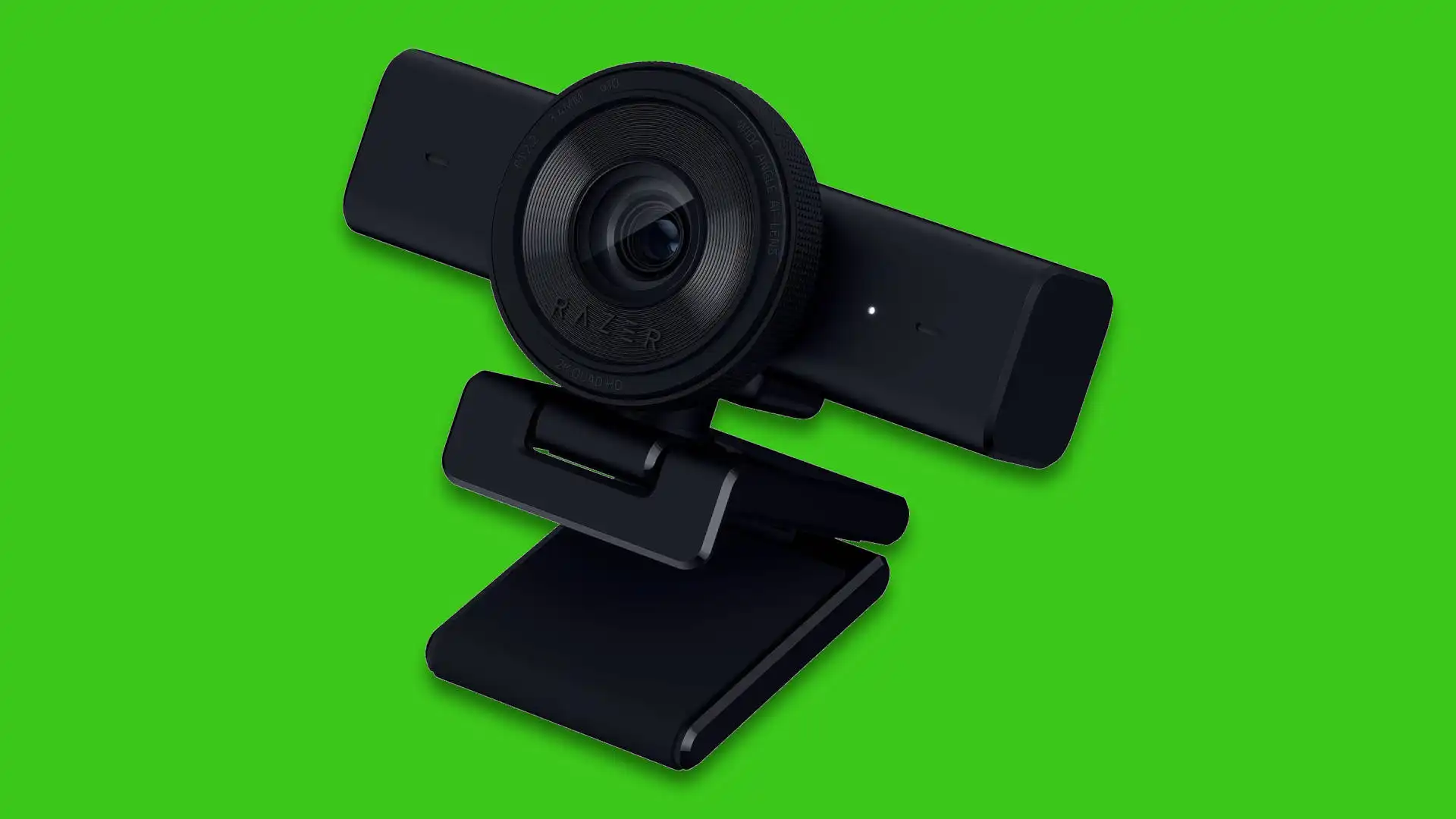
Razer has introduced a new webcam that pushes the boundaries of streaming quality without sacrificing ease of use. Designed for professionals, it combines 1440p resolution at 60 frames per second, HDR support, and AI-driven noise reduction in a package now available at a 30% discount—marking its first price adjustment since launch.
The camera’s core specification centers on its 2560×1440 pixel sensor, which delivers crisp detail while maintaining smooth performance. This is paired with HDR (High Dynamic Range) imaging to ensure vibrant colors and balanced lighting in any environment. To further enhance clarity, Razer has integrated AI noise reduction, a feature typically reserved for higher-end models, into this mid-range offering.
Engineering tradeoffs: balancing quality and workflow
The 1440p resolution at 60Hz is a notable achievement in webcam technology. Most consumer models cap out at 1080p or 720p, even at lower frame rates. Achieving this level of performance requires significant engineering effort, particularly around sensor size and processing power. Larger sensors generally capture more light and detail but are harder to fit into compact designs without sacrificing battery life or heat management.
Razer’s solution appears to focus on efficiency rather than raw power. The camera does not include a built-in microphone, opting instead for external audio capture via USB. This tradeoff allows the hardware to prioritize video quality while keeping form factor and cost in check. The result is a device that can run continuously without overheating, a critical factor for long streaming sessions.
Practical implications: who benefits?
- Professional streamers: The 1440p resolution at 60Hz provides a noticeable upgrade over standard 1080p webcams, especially in fast-paced environments like gaming or live coding.
- Content creators: HDR support ensures consistent color accuracy, while AI noise reduction minimizes background distractions—ideal for video calls or recorded tutorials.
- Budget-conscious buyers: The 30% discount makes this a rare opportunity to access high-end webcam features without the premium price tag of Razer’s top-tier models.
The discount is available immediately and applies globally, though no additional features or firmware updates are tied to it. This suggests Razer is addressing market demand for more affordable high-resolution options while maintaining its reputation for performance-driven hardware.
For buyers, the key consideration remains whether 1440p resolution offers tangible benefits over 1080p in their specific use case. While the jump in detail is visible on larger displays or in well-lit settings, real-world testing will determine how much this change impacts workflow efficiency for different types of content creation.
Looking ahead, the success of this model could influence Razer’s roadmap for future webcams, particularly around resolution and frame rate standards. If demand remains strong, we may see more 1440p options in the mid-range segment, potentially reshaping supply chains to accommodate higher-volume production.