Remedy Entertainment stands at a crossroads. The Finnish studio, known for its narrative-driven games like Alan Wake and Control, is redefining how it brings titles to market after what it describes as mixed commercial performance. While exact sales figures remain private, the shift is undeniable: Remedy is moving away from traditional publisher-backed launches toward full self-publishing, a strategy that could reshape its industry presence.
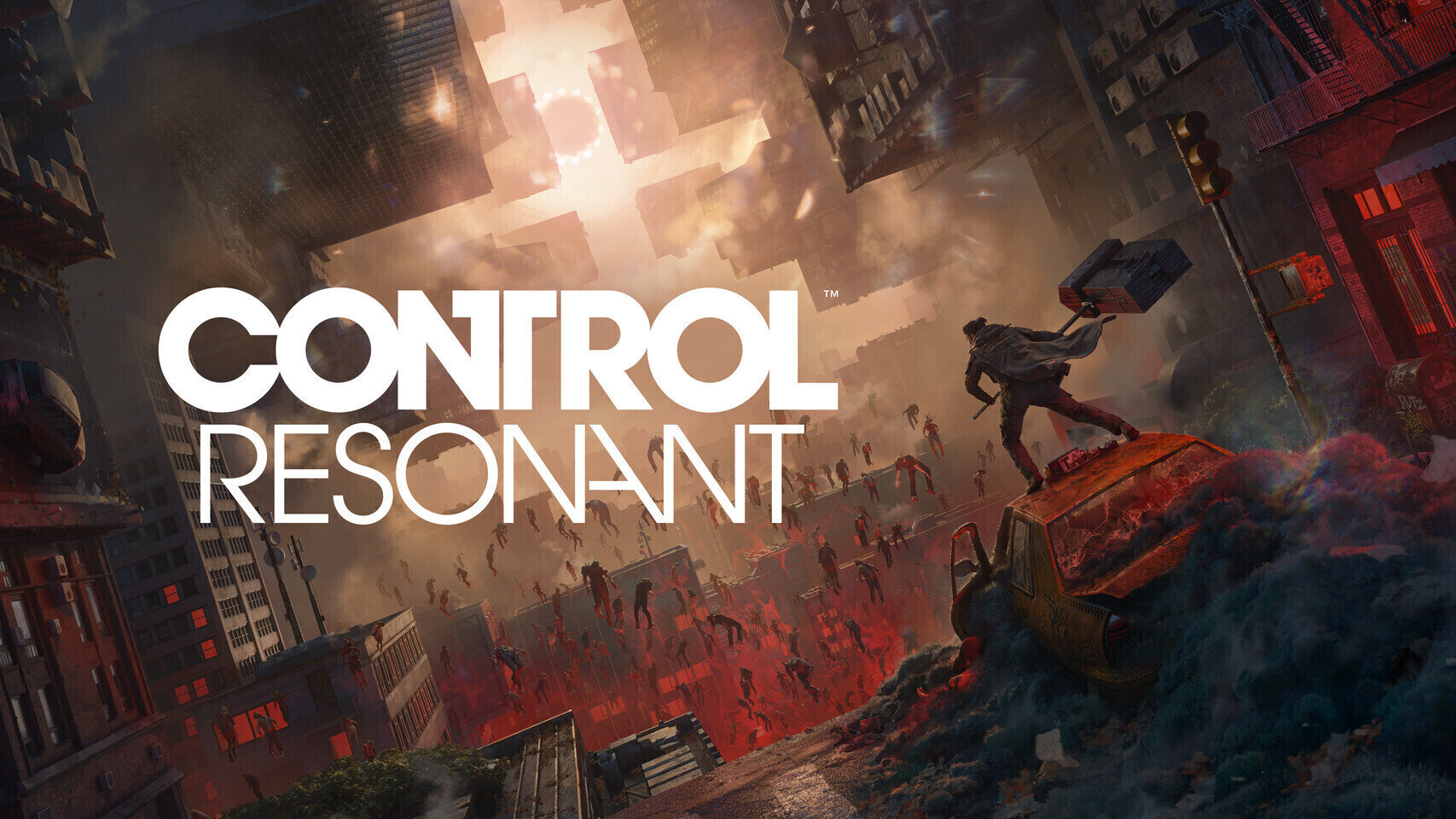
At the heart of this change is Control: Resonant, the sequel to 2019’s critically acclaimed Control. Unlike its predecessor, which benefited from deep-pocketed publisher support, Remedy is taking control of its destiny—literally. The studio plans to integrate film adaptations into its marketing campaign, blending gaming and cinema in a way that mirrors its games’ surreal, high-concept storytelling. This isn’t just about promotion; it’s about redefining how games are experienced across media.
But Remedy isn’t abandoning innovation entirely. While larger competitors like Electronic Arts lean heavily on artificial intelligence for development, Remedy is adopting a more cautious stance. AI tools will be limited to early-stage prototyping, with creative control remaining firmly in the hands of its team. This approach reflects a broader industry tension: balancing cutting-edge technology with artistic integrity.
Lessons from FBC: Firebreak, Remedy’s 2025 self-published shooter, are being applied to Control: Resonant. The studio has refined how it positions games and manages communities, moving away from the one-size-fits-all marketing of traditional publishers. The result is a more unorthodox campaign—one that aims to resonate deeply with players who value narrative depth and originality.
For PC builders and enthusiasts, this shift raises questions about whether self-publishing can deliver better commercial outcomes than established channels. Remedy’s R&D-driven culture suggests it will continue experimenting, but its reluctance to embrace AI for creative work could limit its ability to compete in an industry increasingly shaped by algorithmic innovation.
The next few years will determine whether Remedy’s bold strategy pays off. The launch of Control: Resonant and the effectiveness of its self-publishing approach will be closely watched—not just for sales, but for how it redefines community engagement and cross-media storytelling in gaming.