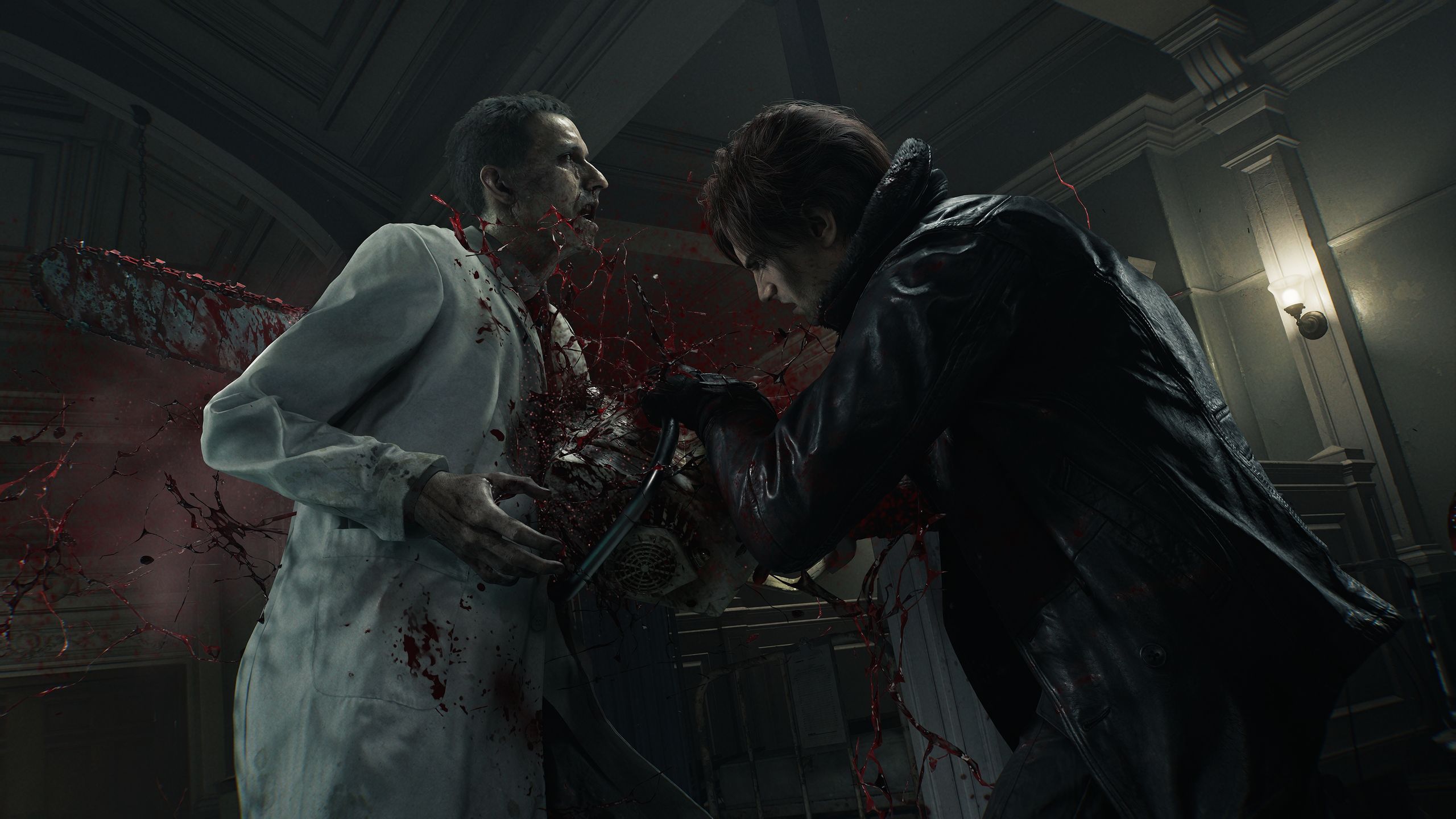
Leon Kennedy’s chainsaw isn’t just a weapon—it’s a statement. In *Resident Evil Requiem*, the grizzled ex-special forces operative swings it with the same effortless confidence he did in *Resident Evil 4 Remake*, but this time, the game actually makes sense of it. After a decade of uneven attempts to reconcile survival horror’s tension with action’s spectacle, Capcom’s latest entry doesn’t just mash the two together. It finds a rhythm.
That rhythm starts with Leon. The opening moments drop players into a hospital hallway teeming with infected, where his signature parry—first introduced in *RE4 Remake*—becomes a game-changer. A chainsaw-wielding enemy drops his blade mid-swing? Leon snatches it up, flips it, and turns the tables. It’s a small moment, but it sets the tone: this is a game where survival horror’s precision and action’s chaos coexist. No more half-measures.
The contrast between Leon’s sections and Grace’s—another protagonist making her debut—highlights the game’s ambition. Grace’s campaign leans into the series’ roots: claustrophobic hallways, locked doors demanding keys and puzzles, and enemies that force players to think before they shoot. The hospital setting, with its marble staircases and industrial kitchens (home to a butcher-chef monster), feels lived-in, a far cry from sterile modern facilities. It’s *Resident Evil* as it was meant to be—tense, methodical, and occasionally grotesque.
Two Protagonists, Two Playstyles
Leon’s arrival is a breath of fresh air after hours of stealth. Where Grace tiptoes past zombies, he blasts through them with a shotgun or a well-timed knife throw. The shift isn’t just about gameplay—it’s about pacing. Leon’s segments act as punctuation, breaking up the tension with bursts of adrenaline. It’s a structure that could work brilliantly if balanced correctly across the full game.
But *Requiem* isn’t just about swapping protagonists. It refines mechanics from past entries. Crafting, a feature that divided fans in *RE4 Remake*, feels more integrated here. Grace can harvest zombie blood and scrap to create ammo, healing items, and even instakill injectors—a nod to the series’ signature absurdity. Yes, it’s illogical. That’s the point. Just as *Resident Evil*’s puzzles often demand players suspend disbelief (why is this door locked with a gem?), crafting here feels like an extension of that tradition.
A Step Forward—or Just Fine-Tuning?
The game’s biggest risk was whether survival horror and action could coexist without one overshadowing the other. Early impressions suggest Capcom has struck a better balance than in *Resident Evil 6*, which leaned too heavily into action at the expense of tension. Leon’s segments don’t undercut Grace’s campaign; they complement it. The question remains whether this duality holds up over the full experience.
One lingering issue is the power curve. Grace’s sections demand patience—limited ammo, tight inventory management, and enemies that mutate if not dealt with decisively. Leon’s arrival, with his robust health bar and over-the-top combat, feels like a reward for enduring those moments. It’s a structure that could pay off if the game maintains this ebb and flow, but it risks feeling like a gimmick if overused.
Still, *Resident Evil Requiem* marks a return to form for the series. After years of experimentation, it’s a reminder that survival horror and action don’t have to be mutually exclusive. They just need the right balance—and, perhaps, a chainsaw-wielding hero to tie it all together.