The RIG R8 SPECTRE PRO HS is not just another gaming headset. It’s an engineering statement—a blend of raw power, precision cooling, and high-stakes design aimed at those who treat gaming as both sport and science.
At its core, the headset is built around a dual-chamber cooling system that balances airflow with heat dissipation. The primary chamber, optimized for sustained workloads, uses a 70 mm fan to pull in ambient air while a secondary, smaller chamber handles rapid temperature spikes during intense sessions. This two-tiered approach is designed to prevent thermal throttling, a common issue in high-performance peripherals.
The cooling system’s effectiveness is tied to its placement. Instead of relying on traditional venting, the headset incorporates micro-perforated mesh panels that distribute airflow more evenly across the ear cups. The result is a reduction in hot spots, which can be critical for users running long esports tournaments or high-refresh-rate gaming sessions.
But power comes at a cost. The RIG R8 SPECTRE PRO HS demands significant resources to operate at its best. It requires a system with at least 16 GB of DDR4 RAM (2133 MHz minimum) and is optimized for CPUs running at or above 3.5 GHz. For users on lower-end builds, the headset’s performance may not justify the premium price point.
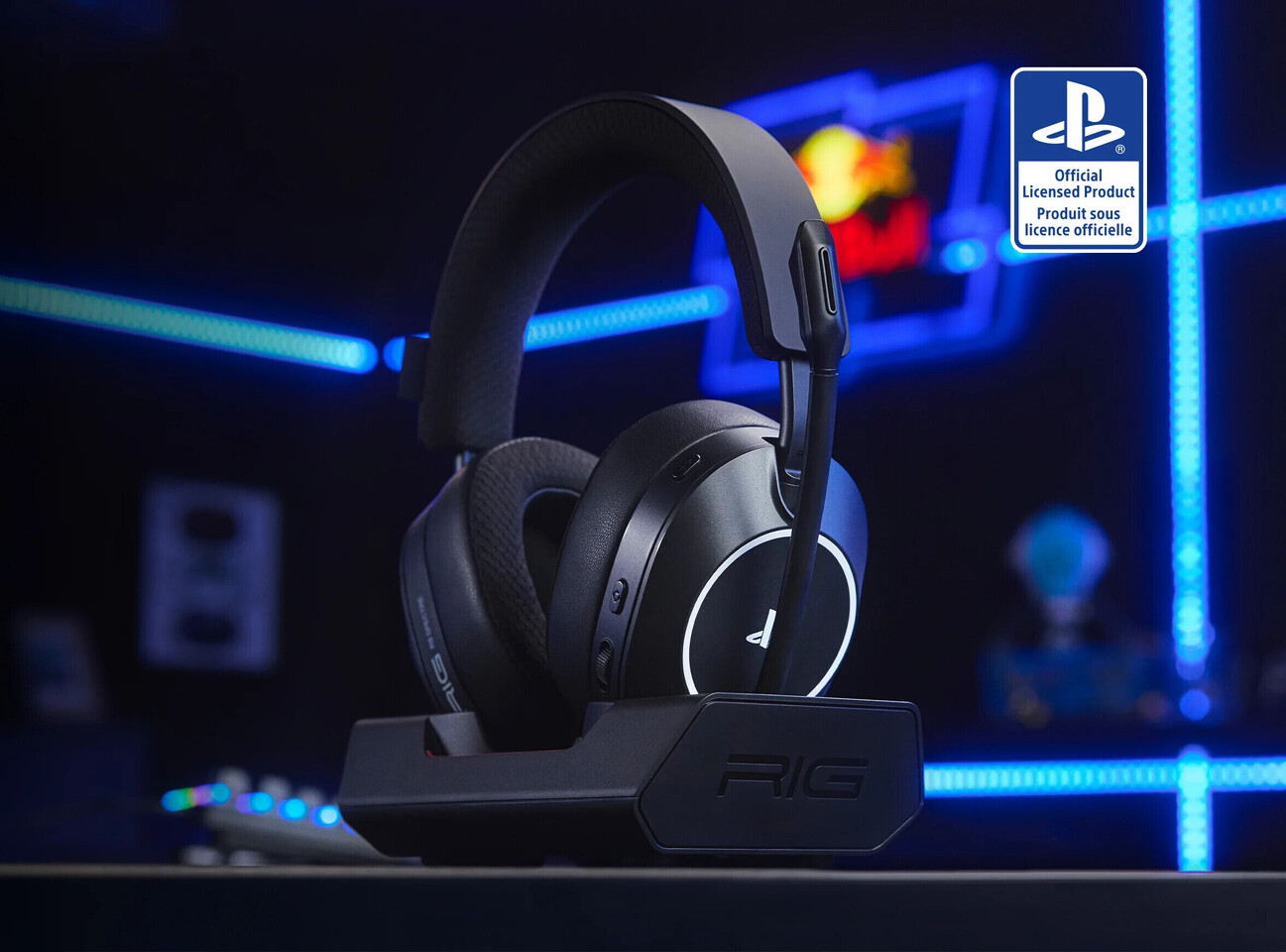
- Dual-chamber cooling with a 70 mm primary fan and a secondary micro-fan for rapid heat dissipation.
- Micro-perforated mesh panels to minimize hot spots and improve airflow distribution.
- Optimized for systems with 16 GB DDR4 RAM (2133 MHz) and CPUs above 3.5 GHz.
- Built-in noise-canceling microphone for competitive play, with adjustable sensitivity.
The headset’s design also reflects a shift in how peripherals are engineered for competitive environments. The ear cups are reinforced with a carbon-fiber composite, reducing flex and improving durability during intense gaming sessions. Additionally, the built-in microphone is tuned to filter out background noise, which is a non-negotiable feature for esports players.
However, the tradeoff is clear: this headset is not for casual gamers. Its engineering choices—from the cooling system to the material composition—are tailored for users who prioritize performance over convenience. The price, while steep, aligns with the expectations of those in high-stakes gaming circles.
The RIG R8 SPECTRE PRO HS represents a milestone in peripheral design, pushing the boundaries of what’s possible in terms of thermal management and workload efficiency. For enterprise buyers or professional gamers, it offers a level of precision that few alternatives can match. But for those on the fence, the question remains: is the investment worth the edge?