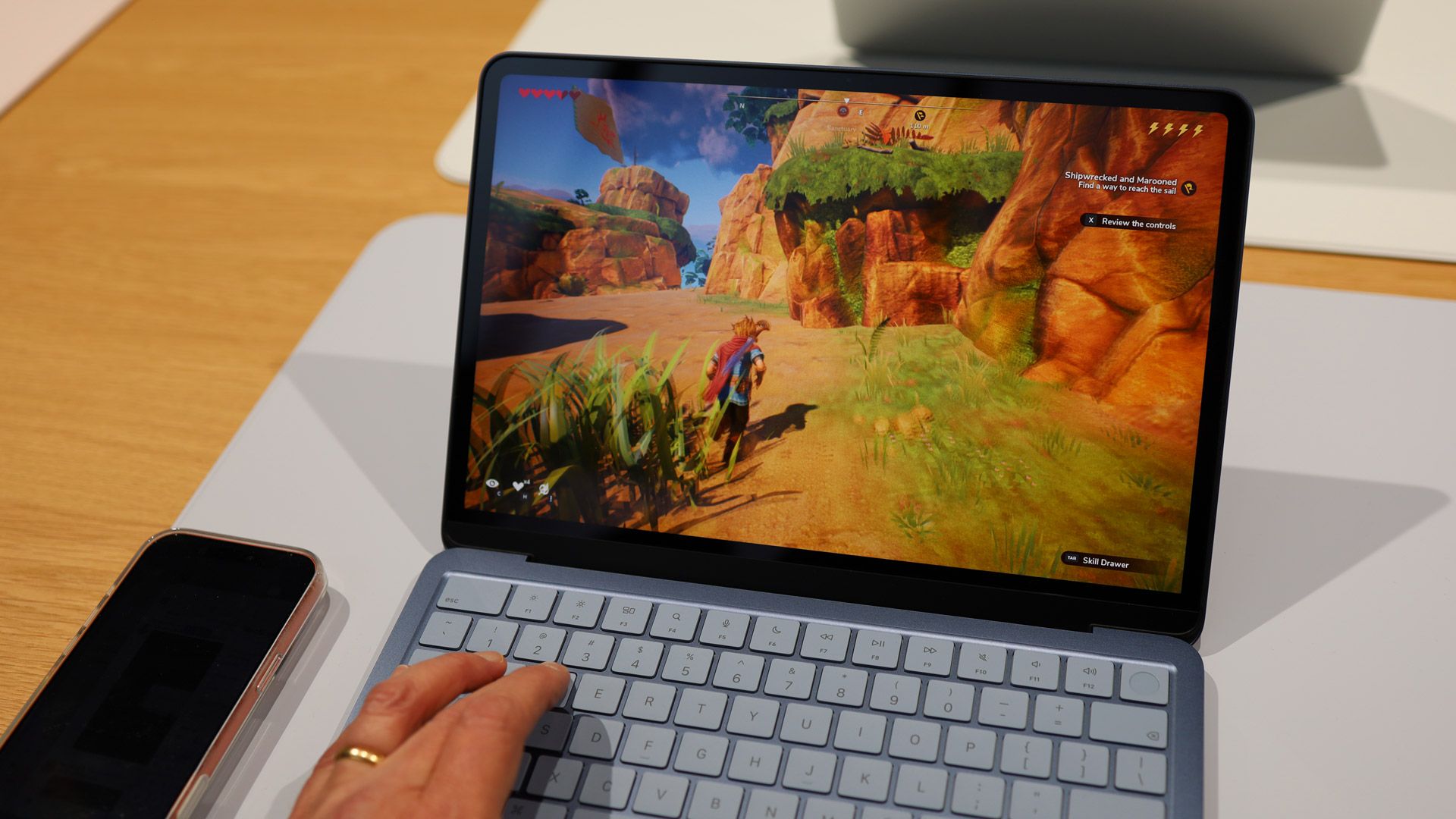
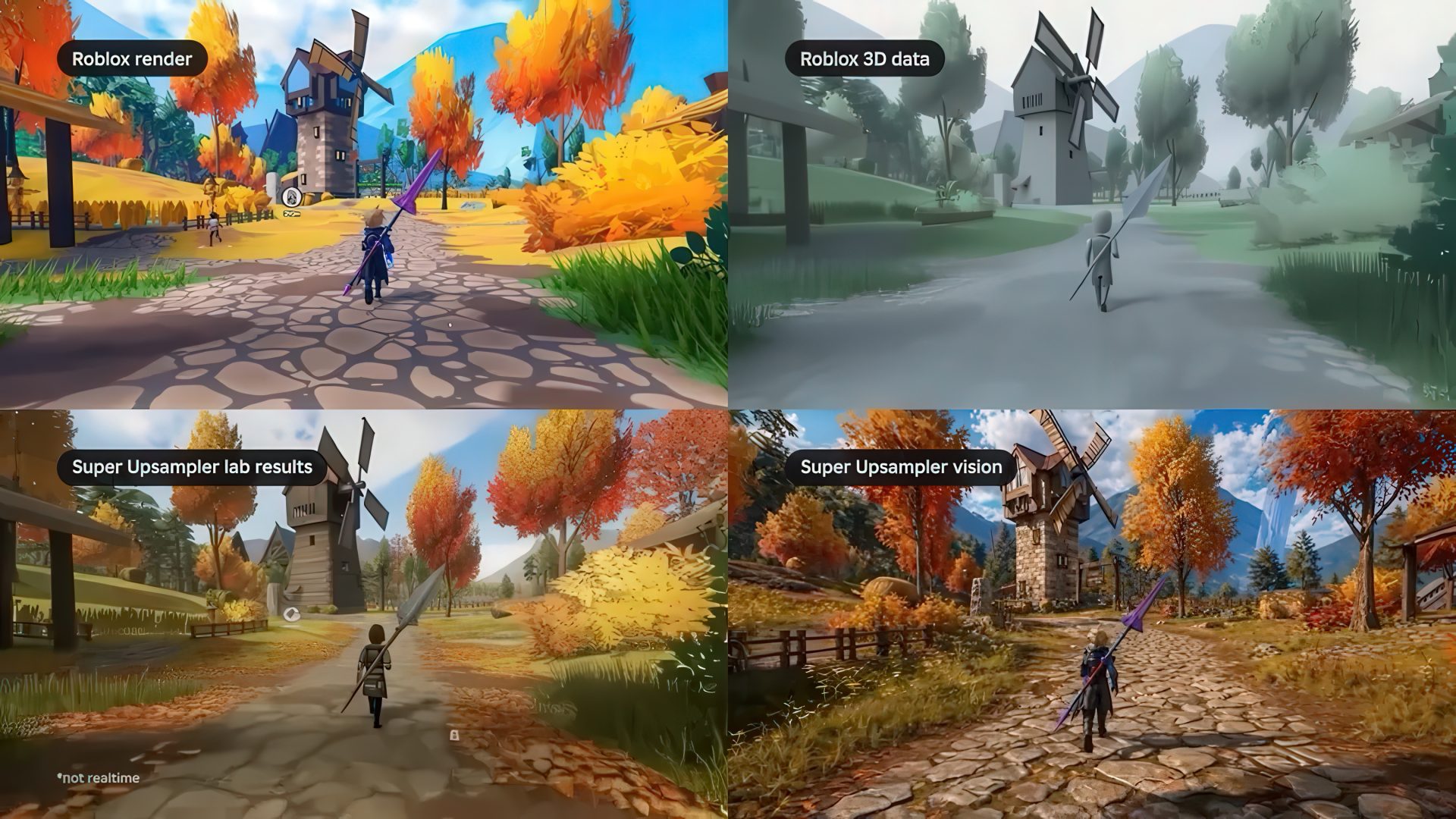
Roblox has embedded a next-generation AI upscaling system directly into its game engine, promising to elevate visual quality while maintaining real-time performance. Dubbed Roblox Reality, this model operates at the engine level, eliminating the need for external plugins or post-processing steps that traditionally add latency and complexity.
The system leverages advanced denoising and resolution scaling techniques, delivering near-photorealistic results with a 1.5x improvement in visual fidelity compared to conventional upscaling methods. Unlike competing solutions, Roblox Reality is optimized specifically for Roblox's architecture, ensuring seamless integration without sacrificing performance.
Enterprise Considerations: Performance and Compatibility
- Minimum Hardware Requirements: 12 GB VRAM, GPUs with Ray Tracing Cores
- Performance Impact: Minimal frame rate degradation while achieving photorealism
However, the transition to Roblox Reality is not without challenges. Studios must evaluate whether their existing content pipelines can support this shift. Legacy assets or custom shaders may encounter compatibility issues, requiring thorough testing before full deployment.
Engine-Level Advantages and Admin Adjustments
The deepest innovation lies in how Roblox Reality operates within the engine itself. Unlike external tools that add overhead, it processes rendering in real-time, reducing latency and improving responsiveness. This allows developers to optimize both visual quality and performance simultaneously.
Admins will need to configure new parameters such as AI strength, texture resolution, and denoising intensity. These settings require experimentation to balance visual fidelity with performance, particularly in complex scenes. There is no predefined optimal configuration, meaning studios must invest time in testing and fine-tuning.
The Future: Usage-Based Pricing and Long-Term Impact
Roblox Reality will roll out in the coming months with a pricing model based on usage rather than per-unit costs. This shift could redefine how studios allocate resources, moving away from upfront hardware investments toward a more flexible, pay-as-you-go approach.
The immediate priority for enterprise buyers is ensuring compatibility across their existing workflows. While the performance gains are substantial, the risk of disrupting established pipelines remains a critical factor in adoption decisions.