Roblox’s decision to soften its stance on classic avatar faces reveals a rare moment of corporate flexibility in an era where tech companies often prioritize unidirectional change. The platform’s initial plan to sunset static heads by February 2026 was met with such fierce opposition that it forced an immediate pivot. But the question now is whether this reversal is enough—or if it’s just the first move in a longer negotiation over digital ownership and creative control.
How did Roblox arrive at this compromise—and what does it mean for the future?
The company’s shift began with a simple but critical acknowledgment: classic faces aren’t just visual preferences. They’re part of Roblox’s cultural DNA, tied to years of player investment, trading economies, and even personal identity. By introducing a toggle for static animations and one-to-one dynamic replicas, Roblox appears to be testing whether it can satisfy both technical progress and user sentiment. Yet the execution leaves room for doubt.
The dynamic versions of classic faces—while closer to the originals—still carry noticeable differences. Early tests of the Madbot 10000 and other iconic designs show pixelation artifacts and less refined textures. For collectors who treat these avatars like digital art, the compromise feels incomplete. The company’s promise to preserve limited heads’ serial numbers and trading behaviors is a step, but it doesn’t address the deeper frustration: why replace something that works with something that doesn’t fully deliver.
What’s next for Roblox—and the players who depend on classic faces?
The platform’s tools for creators to design classic-style heads suggest an effort to future-proof the transition. But whether these will match the originals in quality—or retain the same level of player trust—remains untested. The bigger question is whether Roblox will continue to adapt as feedback comes in, or if this is a one-time concession.
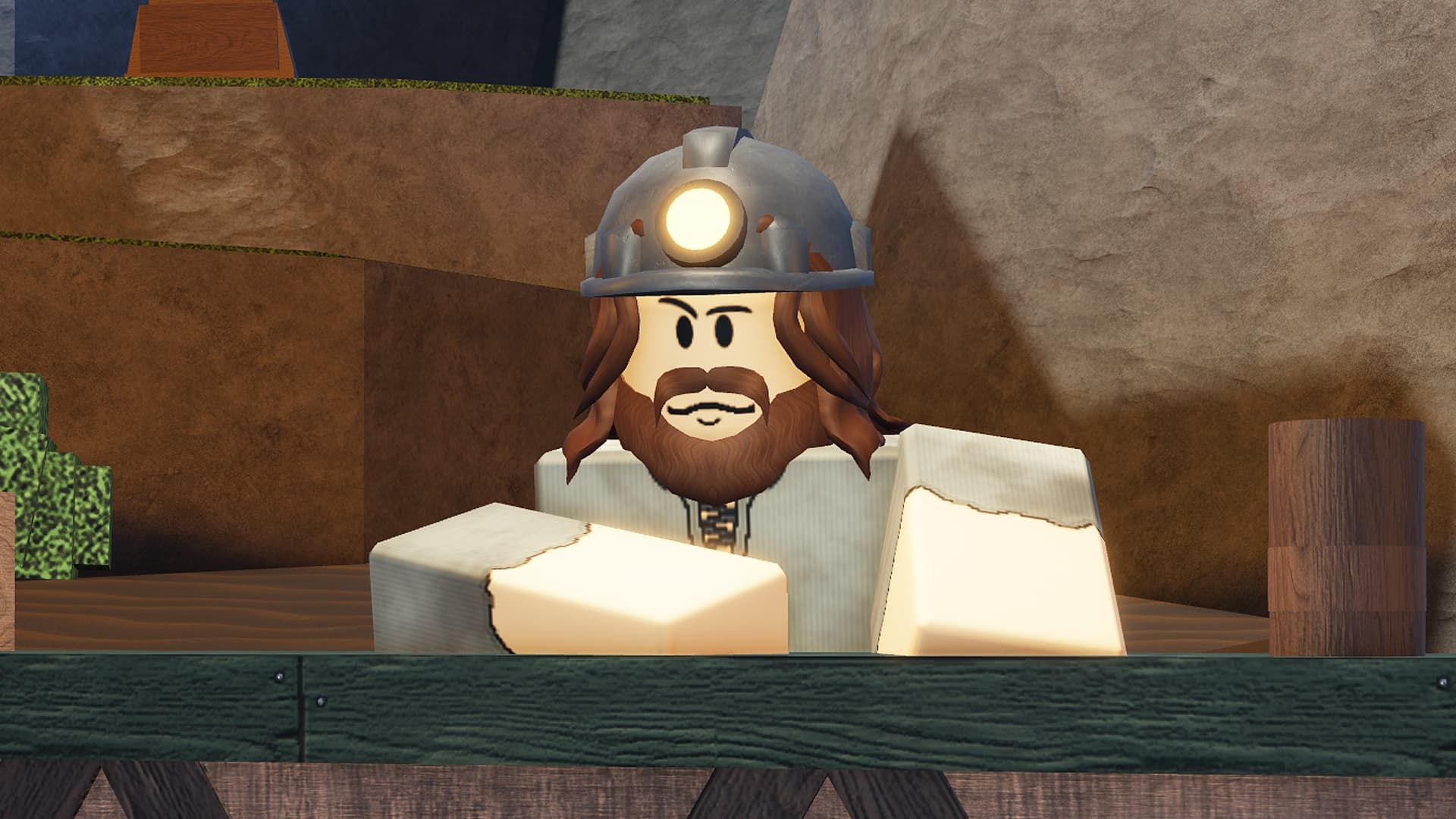
For players, the stakes are clear: if dynamic faces become the default, the value of classic heads could erode. The marketplace for these avatars operates like a secondary economy, where rare designs trade for hundreds of Robux. A forced migration could destabilize that system overnight. Roblox’s argument—that unified avatars will enable richer animations and cross-platform compatibility—is compelling, but it ignores the emotional and financial weight users have placed on static models.
The broader lesson for gaming and social platforms
Roblox’s backtrack isn’t just about avatars. It’s a case study in how platforms must navigate the tension between innovation and legacy systems. In an industry where updates often break user expectations, Roblox’s willingness to listen—even partially—sets a precedent. But it also raises a critical question: Can companies like Roblox balance progress with the need to preserve the intangible value players attach to their digital lives?
The answer may lie in how Roblox handles the next phase. If the dynamic faces prove unstable or if users continue to demand more control, the platform could face renewed pressure. Alternatively, this could be the start of a new era where Roblox treats classic avatars as a protected feature—one that coexists with modern designs. Either way, the conflict over Roblox faces isn’t just about pixels. It’s about who controls the rules of the digital world—and whether players will be left behind in the process.
The debate isn’t over. But for now, Roblox has shown it’s willing to negotiate. Whether that’s enough remains to be seen.