When Nvidia’s RTX 5090 demands a monstrous 1350W of power, even the most robust systems falter without the right cables. But the Radeon RX 9070 XT’s 16-pin power connector—a design choice shared only by Sapphire’s Nitro+ and a single other model—has become a recurring nightmare for users. Now, two fresh cases highlight a troubling trend: not only are connectors burning out, but Sapphire’s handling of replacements and RMAs is leaving customers stranded.
The problem isn’t just limited to one bad batch. One user, who had already gone through an RMA two months prior for a burnt connector, received a second card—only for it to arrive scratched and perform like a downgraded model. Benchmarks tell the story: the first GPU hit nearly 26,000 points in 3DMark Time Spy, while the replacement maxed out at 19,000—a drop that suggests either a faulty chip or throttling issues. The user is now pursuing another RMA, but the experience raises questions about quality control.
Meanwhile, another user reported a classic top-row burn pattern on their 16-pin connector, accompanied by alarming VRAM temperatures. Sapphire’s response? A refusal to replace the card, accompanied by accusations of tampering—despite the user providing clear evidence of the damage. When pressed, the company dismissed the complaint entirely, siding with itself over the customer.
This isn’t an isolated incident. The RX 9070 XT’s 16-pin connector has been a liability since launch, but Sapphire’s Nitro+ edition stands out as the most affected. While competitors like ASRock have already addressed power delivery concerns with reinforced cables, Sapphire’s approach—both in hardware durability and customer service—appears to be falling short.
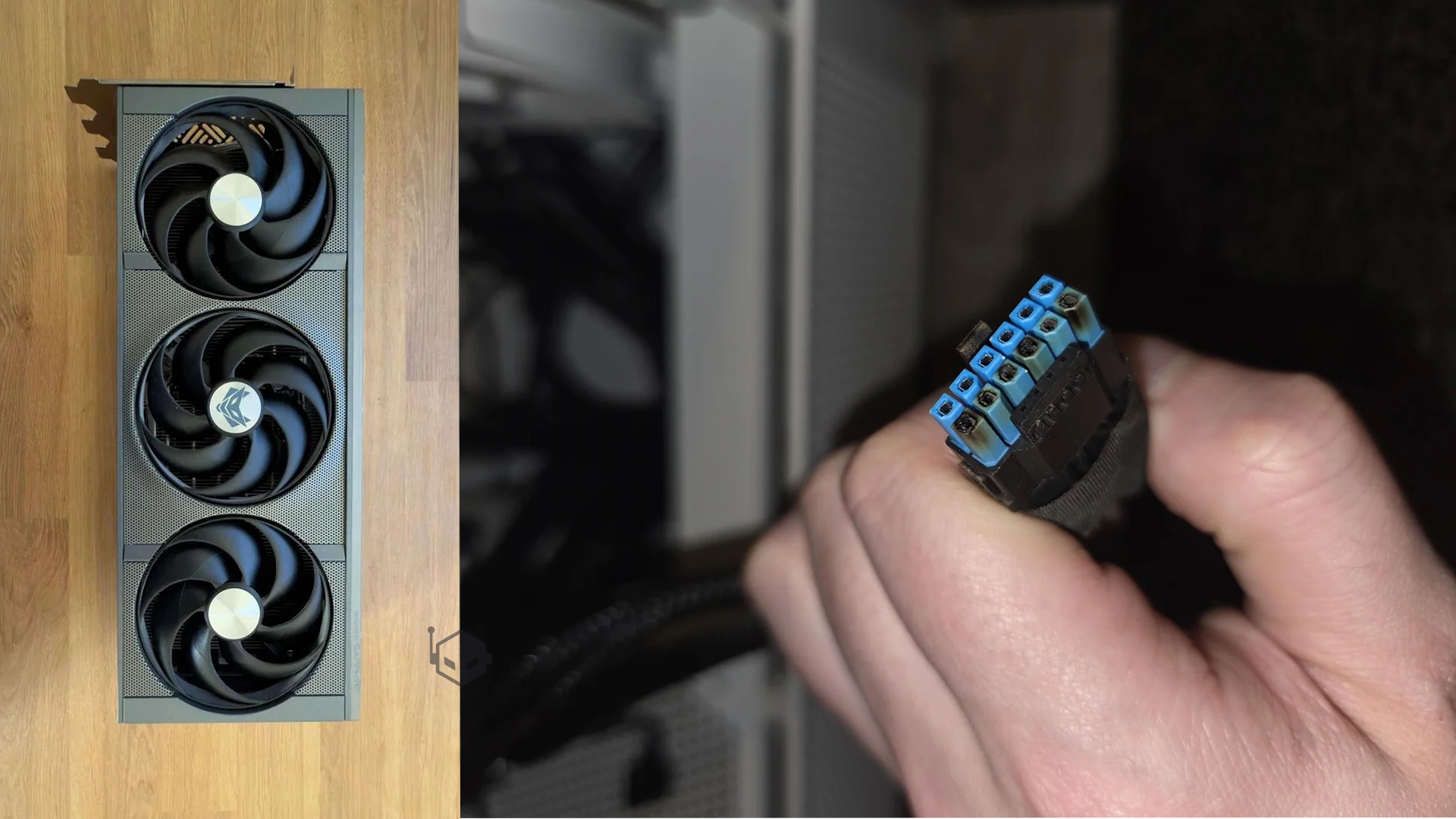
Key specs (RX 9070 XT Nitro+)
- GPU: AMD Radeon RX 9070 XT (16-pin power connector)
- VRAM: 16GB GDDR6
- Memory bus: 256-bit
- TDP: 275W (boost)
- Connectivity: 3x DisplayPort, 1x HDMI 2.1
- Cooling: Triple-fan Nitro+ design
The 16-pin connector, while rare among RX 9070 XT models, is a red flag for power stability. Systems struggling to deliver consistent wattage—especially in high-load scenarios—risk overheating and connector damage. The Sapphire Nitro+’s repeated failures suggest either a flawed PCB layout or insufficient power regulation, forcing users into costly replacements or performance penalties.
For gamers eyeing the RX 9070 XT, the choice of model matters. Avoiding the 16-pin variant means sacrificing Sapphire’s Nitro+ edition, but the tradeoff may be worth it. Those already affected face a frustrating path: proving hardware failure while navigating a manufacturer that seems more concerned with deflecting blame than solving the problem.
With no official statement from Sapphire on these incidents, the question remains: will this become another high-profile GPU recall, or will users continue to bear the cost of a design that’s proven unreliable?