Samsung's decision to increase DRAM prices by 30 percent for the second quarter marks a significant shift after years of stagnation in the memory market.
For much of the past two years, DRAM prices had been in a downward spiral, with Samsung and other major manufacturers struggling to maintain profitability amid oversupply. The latest price adjustment, effective immediately, reflects a 30 percent increase from the previous quarter's levels. This follows a similar, albeit smaller, 15 percent hike announced at the start of the year.
The move comes as Samsung seeks to stabilize its memory business, which has been under pressure due to excess inventory and soft demand in key markets like PCs and data centers. Analysts suggest that the price rise is a response to improved supply conditions, with industry capacity utilization expected to tighten slightly in the coming months.
Key details of the price adjustment include

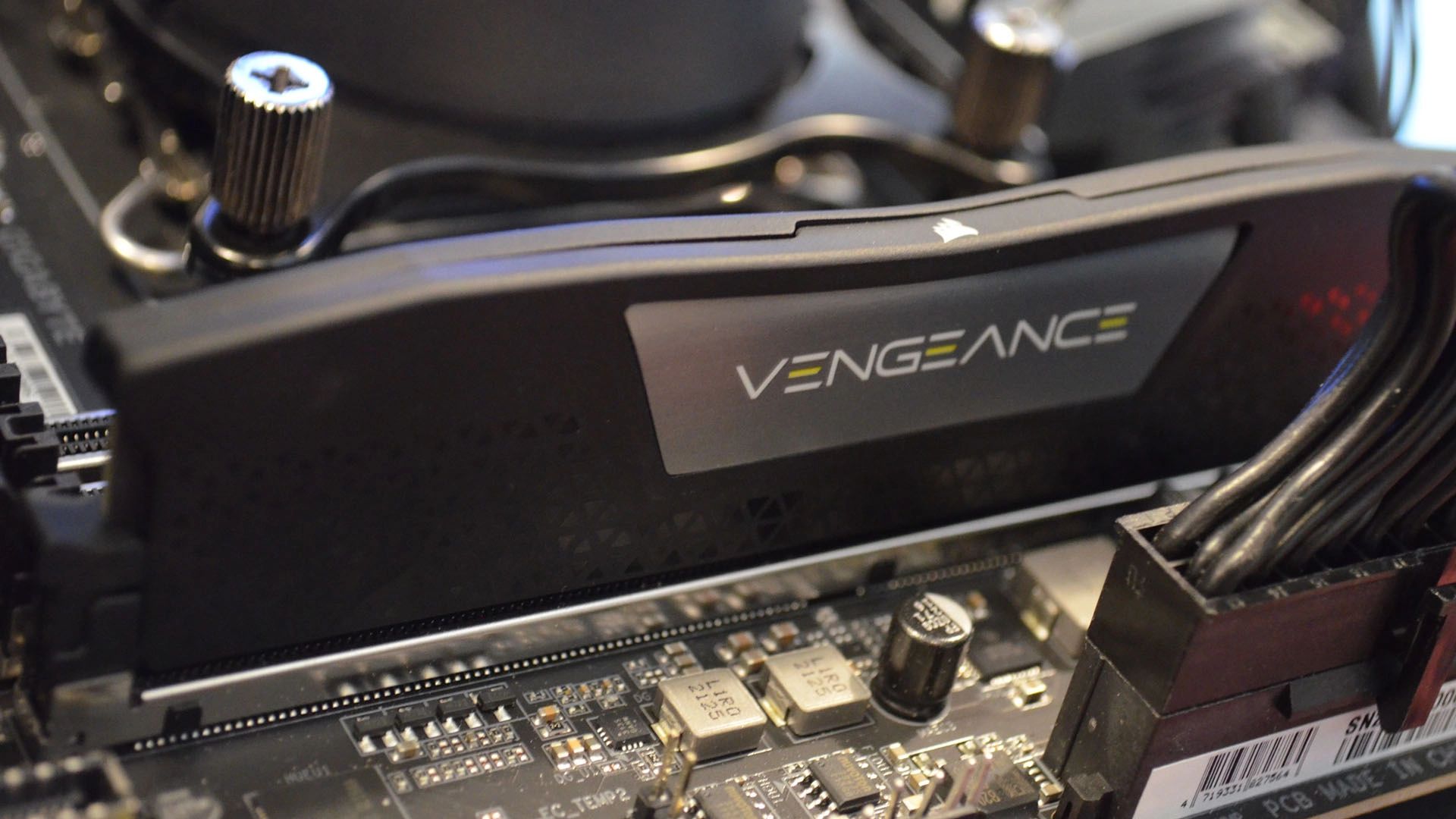
- A 30 percent increase across most DRAM product lines, including DDR4 and LPDDR4X, which are critical for mobile and PC applications.
- No immediate changes to flash memory prices, indicating a targeted approach focused solely on DRAM.
- Samsung's decision is closely watched, as it sets the tone for the broader memory market, including competitors like SK Hynix and Micron.
The industry's reaction remains cautious. While some observers see this as a sign of strengthening demand, others warn that sustainability could be challenging given lingering concerns about macroeconomic conditions. The price hike may also pressure downstream industries, particularly those reliant on high-volume DRAM components like smartphones and laptops.
Looking ahead, Samsung's strategy appears to balance short-term revenue recovery with long-term supply management. If demand continues to stabilize, further price adjustments could follow, though the pace is likely to be cautious given historical volatility in the memory market. The broader implications for the tech industry—from consumer electronics to cloud infrastructure—will depend on how quickly these changes ripple through the supply chain.