The Samsung Galaxy S26 Ultra arrives as a flagship that feels less like a leap forward and more like a refinement of what already works—bringing the best of the previous generation to 2024 with subtle but meaningful upgrades. For small businesses, this isn’t just about raw performance; it’s about how that performance translates into daily workflows, from long battery life under heavy use to a camera system that doesn’t just capture images but documents projects on the go.
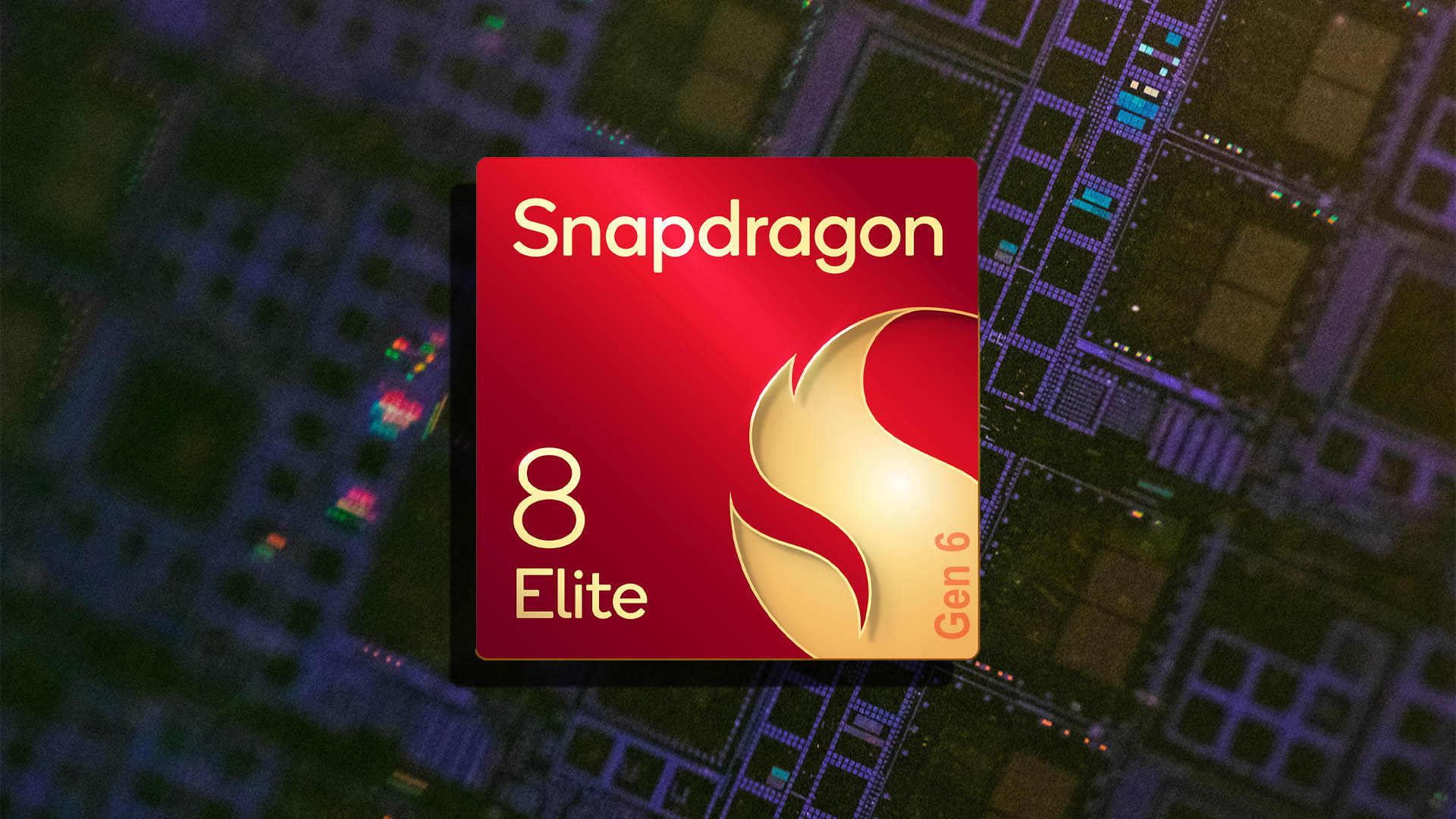
Where the S26 Ultra stands out is in its ecosystem integration. The device is built around a 120 Hz LTPO OLED display that adapts brightness and refresh rate dynamically, a feature that matters more to small business users than it does to casual consumers. When paired with the Snapdragon 8 Gen 3 chip, which delivers 5% faster CPU speeds and 10% better GPU efficiency, the result is a phone that can handle multitasking—editing spreadsheets while on a call, running inventory apps in the background—without breaking a sweat. But this balance comes with tradeoffs: the device’s 200-megapixel main camera, while impressive on paper, doesn’t yet match the low-light performance of its 108-megapixel predecessor, leaving some business users to wonder if they’re better off waiting for the next iteration.
Where the S26 Ultra Delivers
The Galaxy S26 Ultra’s strength lies in its ability to sustain productivity over long shifts. The 5,000 mAh battery is paired with a 45W fast-charging system that can restore up to 70% capacity in 30 minutes—a critical feature for small business owners who may not always have access to power outlets during the day. The device also introduces a new Adaptive Power Mode, which dynamically adjusts performance based on the apps running, extending battery life without sacrificing responsiveness when needed.
On the software side, Samsung has tightened integration with its own ecosystem—something that matters more for small businesses than ever before. Features like the S Pen’s expanded functionality (now supporting pressure sensitivity and custom shortcuts) make note-taking and annotation smoother, while the One UI 6.1 update brings deeper customization options for business profiles, including quick toggles for work modes, VPNs, or secure file access. These aren’t just marketing buzzwords; they’re practical tools that can streamline operations for freelancers, contractors, or small team leads who rely on their phone as a mobile office.
The Caveats: Is This the Right Time to Upgrade?
Despite its strengths, the S26 Ultra isn’t without its limitations—particularly for businesses that prioritize future-proofing over immediate gains. The Snapdragon 8 Gen 3 chip, while efficient, doesn’t bring the same generational leap as previous years, meaning performance gains are incremental rather than revolutionary. For small businesses that can afford to wait, this could be a reason to hold off—especially if Samsung’s next flagship is expected to introduce more substantial improvements in AI processing or battery longevity.
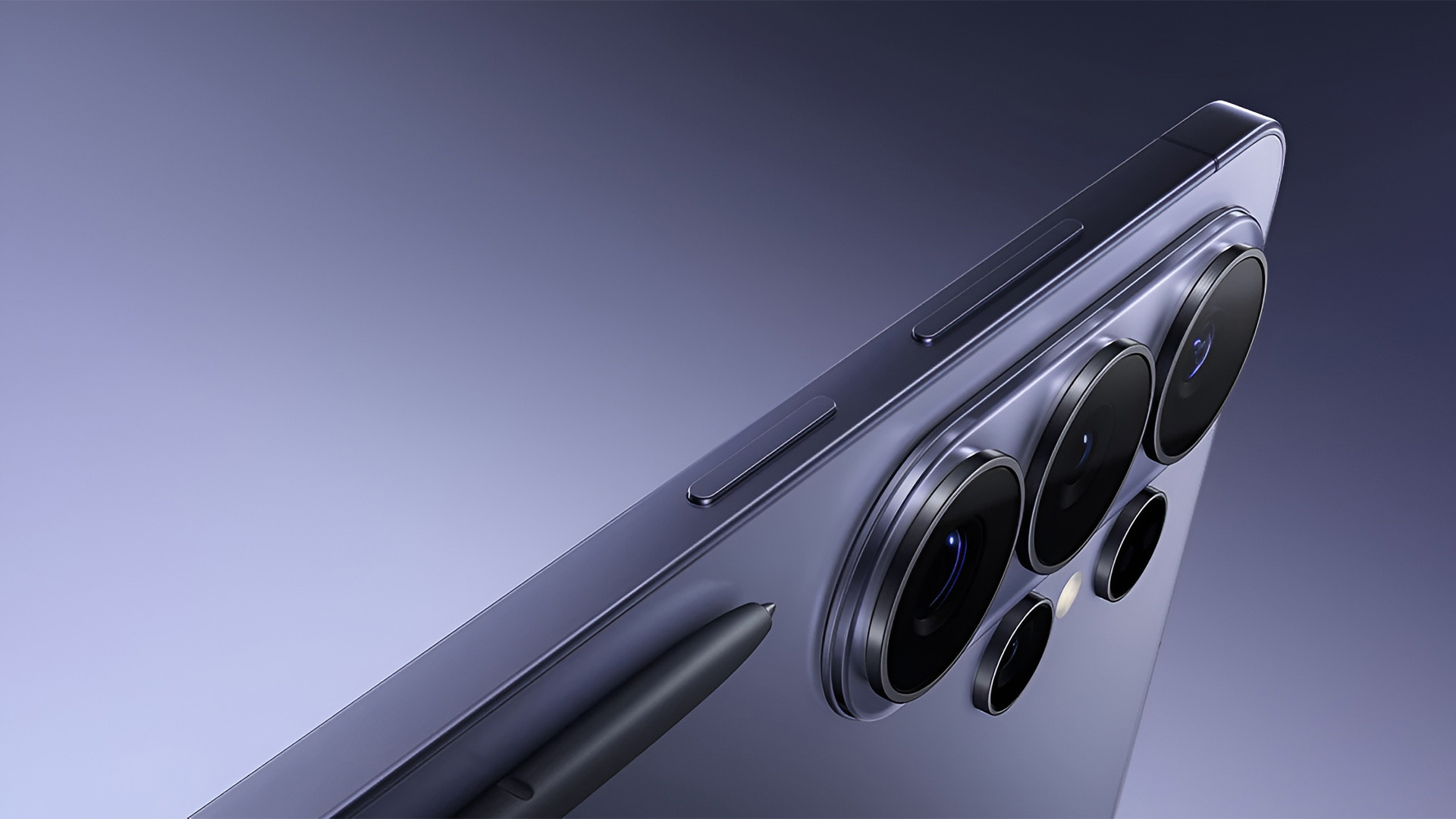
Another consideration is the 200-megapixel main camera, which offers higher resolution but doesn’t yet deliver the same level of detail in low-light conditions as its predecessor. For businesses that rely on high-quality documentation—whether it’s inspecting products, capturing client signatures, or photographing inventory—the tradeoff between megapixels and real-world performance might not be worth it. Samsung has acknowledged this gap, promising software improvements to close the divide, but for now, users may find themselves choosing between resolution and reliability.
Finally, while the device is available globally, its true value depends on local pricing and carrier promotions. In some regions, the standard price point of $1,299 has been undercut by limited-time discounts—like a recent offer bringing it down to $1,049—but these deals are often short-lived. Small businesses should weigh whether the savings justify an upgrade now or if waiting for potential 2025 models could yield better long-term value.
For small business owners, the Galaxy S26 Ultra is a phone that does more than just check boxes—it reflects on how flagship devices are evolving to meet real-world demands. It’s not perfect, and it’s not necessarily the ‘best’ in every category, but its balance of performance, battery life, and ecosystem tools makes it a strong contender for those who need reliability without overpaying for unproven features. The question isn’t whether it’s worth buying; it’s whether the timing is right—and that depends on how much weight you place on incremental upgrades versus waiting for the next big jump.