Samsung has reasserted dominance in the global DRAM market, overtaking SK hynix in a dramatic reversal that underscores the company’s strategic pivot in high-performance memory. The shift comes as demand for advanced memory architectures—particularly HBM4 and DDR5—accelerates, positioning Samsung to capitalize on a new wave of computing needs, from AI accelerators to next-gen gaming platforms.
The Korean manufacturer now holds a 36.6% share of the DRAM market, up from a period of stagnation last year when SK hynix briefly took the lead. This resurgence is fueled by two key factors: securing critical HBM3E contracts with major clients like NVIDIA, AMD, and ASIC manufacturers, and preparing for the upcoming HBM4 generation, which is already locked in for NVIDIA’s upcoming Vera Rubin lineup.
Beyond high-bandwidth memory, Samsung’s broader DDR5 and LPDDR portfolios have seen explosive adoption among hyperscale data centers, where its unmatched production capacity gives it a decisive edge. Analysts project further market share gains in 2026 as enterprises prioritize Samsung’s memory solutions for latency-sensitive workloads.
How Samsung Outmaneuvered the Competition
While Samsung once led the DRAM market by sheer scale, its missteps in 2025—including delays in HBM production and supply chain bottlenecks—allowed SK hynix to seize the top spot. The turnaround hinges on three strategic moves
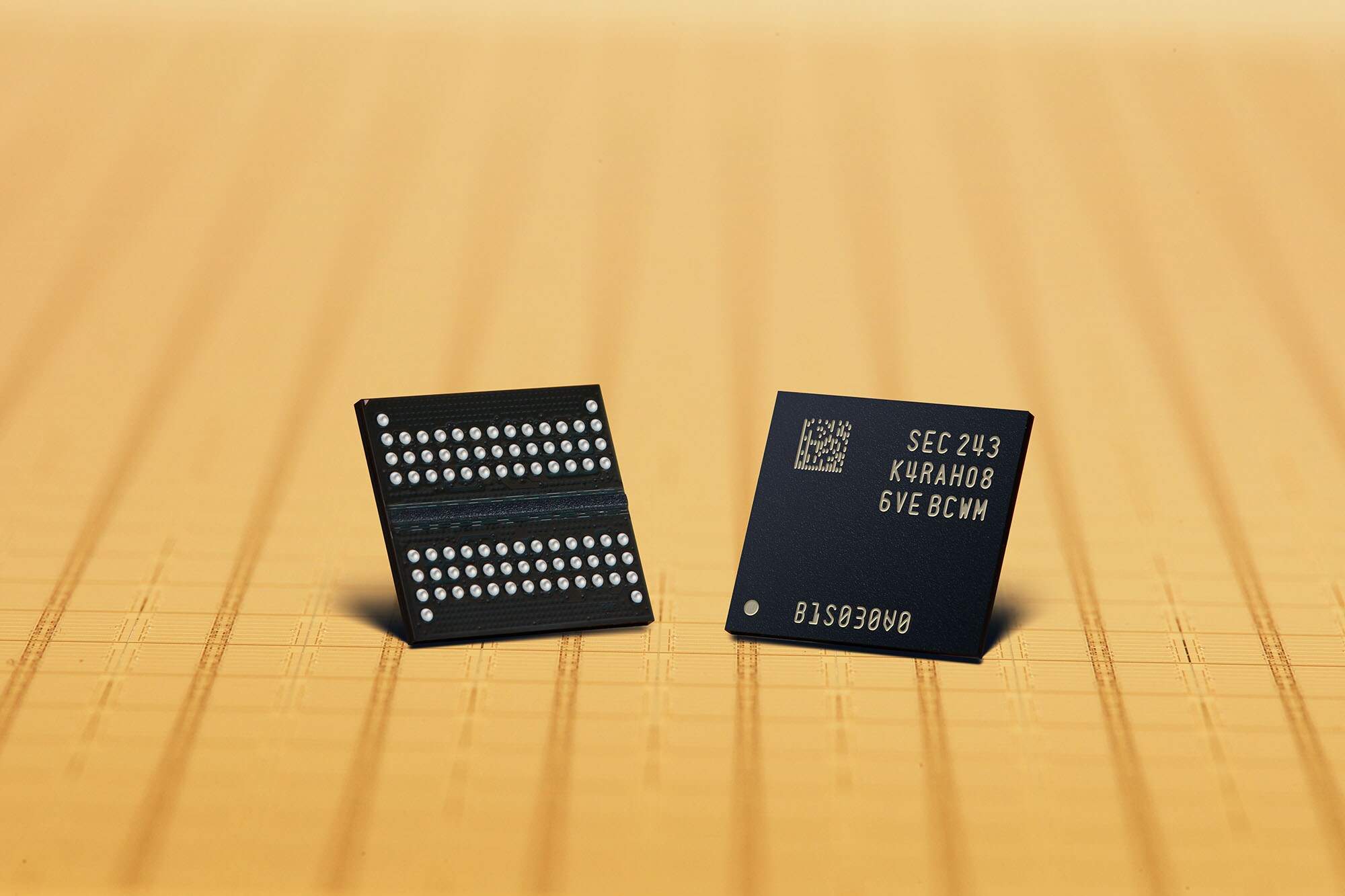
- HBM leadership: Samsung’s early wins with HBM3E, combined with its readiness for HBM4, have locked in long-term contracts with GPU and AI chipmakers. The company’s internal logic dies and pin speeds give it a technical advantage over rivals.
- DDR5 dominance: With hyperscalers and cloud providers increasingly turning to Samsung’s DDR5 modules—especially for AI training and high-performance computing—demand has surged. The company’s ability to ramp production quickly has solidified its role as the go-to supplier.
- Enterprise focus: Samsung’s SOCAMM (System-on-Chip Advanced Memory Module) solutions, designed for low-power, high-density applications, are gaining traction in 5G infrastructure and edge computing, further diversifying its revenue streams.
In contrast, competitors like SK hynix and Micron—now at 32.9% and 22.9% market share, respectively—face pressure to either expand capacity or innovate faster to close the gap. Samsung’s aggressive investments in next-gen memory fabrication are likely to widen the divide.
What This Means for Consumers and Enterprises
The memory market’s shift isn’t just a corporate victory—it has tangible implications for hardware pricing and availability. For enterprises, Samsung’s dominance could stabilize supply chains for critical components like DDR5 and HBM, though costs remain elevated. A 32GB DDR5 module, for instance, now retails above $500 globally as manufacturers pass along production expenses.
For consumers, the implications are mixed. While Samsung’s lead in HBM and DDR5 may eventually trickle down to improved graphics cards and high-end systems, the immediate impact is felt in enterprise and AI-focused hardware. The company’s focus on high-margin, high-performance memory suggests that mainstream memory prices may stay firm for the foreseeable future.
Looking ahead, Samsung’s ability to maintain this momentum will depend on its execution in HBM4 production and whether it can sustain demand for DDR5 in a market increasingly dominated by AI-driven workloads. If successful, the company could cement its position as the undisputed leader in memory technology for years to come.