Samsung has redefined high-end gaming displays with its 2026 OLED lineup, integrating NVIDIA G-Sync compatibility across its flagship TVs and Odyssey monitors. The announcement marks a significant leap for competitive gamers, where frame rates now reach unprecedented heights—including a 1040Hz refresh rate—while maintaining cinematic picture quality.
The shift toward G-Sync isn’t just about syncing refresh rates with NVIDIA GPUs; it’s a strategic move to solidify Samsung’s dominance in the elite gaming display market. For years, OLED TVs have lagged behind dedicated monitors in high-refresh-rate performance, but Samsung’s latest models now challenge that divide.
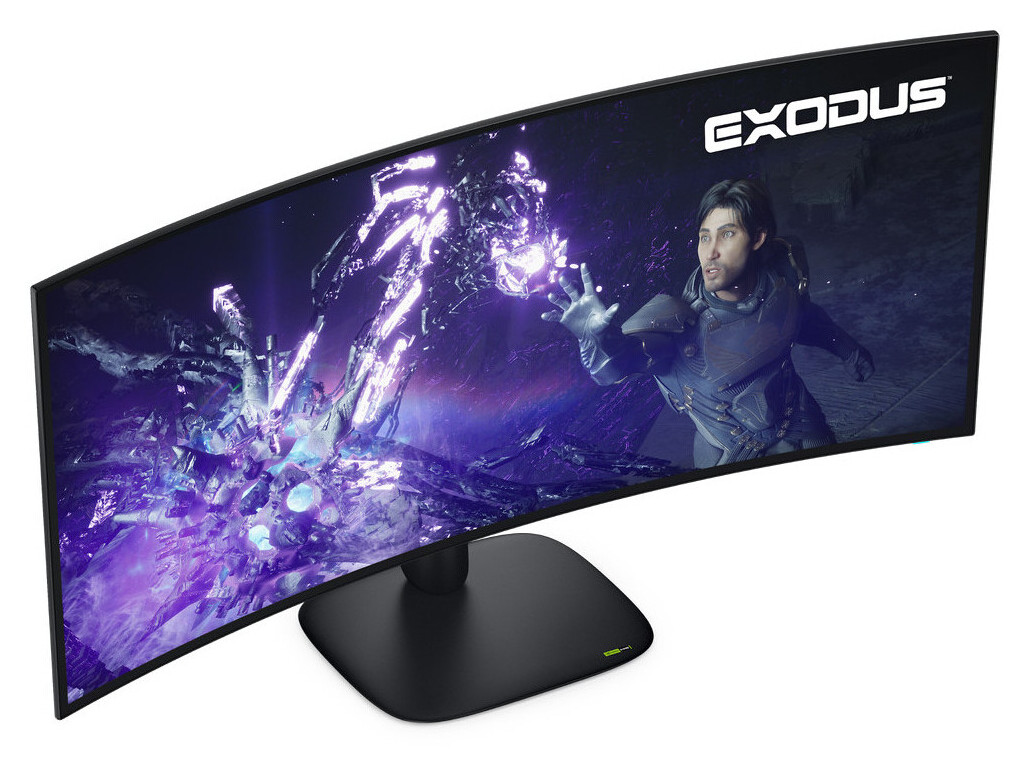
At the heart of the push is the Odyssey G6 series, which introduces two radical approaches to competitive gaming. The 27-inch G60H (G60H model) achieves a staggering 1040Hz refresh rate in HD resolution, thanks to its Dual Mode technology. Gamers can toggle between ultra-high frame rates for fast-paced esports titles or switch to native QHD at 600Hz for smoother visuals in demanding games. This flexibility addresses a long-standing tradeoff: high refresh rates often mean lower resolution, but Samsung’s solution lets users prioritize either speed or clarity.
For those who prefer QD-OLED’s deeper blacks and richer colors, the G61SH model delivers a 240Hz refresh rate at QHD resolution. Combined with a 0.03ms GTG response time and HDR10+ GAMING, it’s tailored for players who demand both precision and immersion. Both monitors are G-Sync Compatible, ensuring seamless synchronization with NVIDIA GPUs—including the rumored RTX 5090—while minimizing screen tearing and stutter.
OLED TVs Catch Up with High Refresh Rates
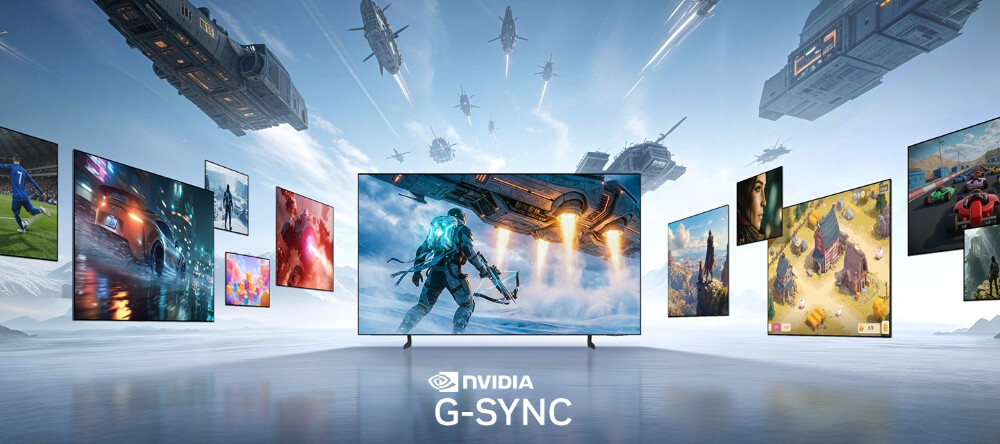
Samsung’s 2026 OLED TV lineup—including the S95H, S90H, and S85H—now supports G-Sync, filling a gap that has frustrated PC gamers for years. The S95H and S90H models push refresh rates to 165Hz, while the S85H tops out at 120Hz, making them viable for fast-paced games like Fortnite or Valorant. Unlike traditional LCD TVs, OLED panels maintain perfect black levels and infinite contrast, ensuring HDR content remains visually stunning even at high refresh rates.
Beyond raw speed, Samsung’s OLED TVs incorporate HDR10+ ADVANCED, an evolution of the standard that enhances brightness, motion clarity, and color accuracy. The S95H and S90H also feature Glare Free technology, reducing reflections without sacrificing picture quality—a boon for gamers in brightly lit rooms.
Who Benefits?
The Odyssey G6’s 1040Hz display is a clear win for competitive gamers who rely on every millisecond of response time. However, the tradeoff is resolution: HD (1080p) at 1040Hz means sharper motion but less detail than QHD. For most players, the G61SH’s 240Hz QHD setup strikes a better balance, offering smooth performance without sacrificing visual fidelity.
As for the OLED TVs, their G-Sync support makes them a compelling alternative to dedicated monitors for PC gamers who prioritize size, smart features, or multiplayer setups. The 165Hz S95H and S90H models, in particular, now rival high-end gaming displays in responsiveness while delivering OLED’s signature picture quality.
With NVIDIA’s upcoming RTX 5090 reportedly priced near $5000 and CES 2026 on the horizon, Samsung’s timing suggests a push toward the high-end market. Whether this strategy pays off remains to be seen, but for now, the company has set a new standard for what OLED displays can achieve in gaming.