Samsung’s foldable phone production strategy is taking an unexpected turn this year. For the first time, the company plans to manufacture more units of the Galaxy Z Fold 8 than the Galaxy Z Flip 8, despite the Flip model’s lower price tag. This shift marks a departure from years of sales dominance by the Flip series, which historically accounted for 60–70% of foldable sales for Samsung.
According to internal production targets, Samsung aims to produce 3.5 million units of the Galaxy Z Fold 8, compared to just 2.5–3 million units of the Galaxy Z Flip 8. The decision comes after the Galaxy Z Fold 7 outperformed expectations in 2025, proving that weight and thickness—down to 8.9mm—matter more to buyers than ever before.
The pricing gap remains stark: in South Korea, the Flip 8 is priced around $691 cheaper than the Fold 8. Yet Samsung’s confidence in the premium segment is evident. The company’s willingness to invest heavily in the Fold 8 suggests it believes the foldable experience justifies the cost for a growing niche of consumers willing to pay for innovation.
Why the Shift?
Last year’s sales data reshaped Samsung’s outlook. The Galaxy Z Fold 7 not only sold more units than its Flip counterpart but also attracted buyers who previously viewed foldables as impractical due to their size and weight. The Fold 7’s sleek design and reduced bulk appear to have convinced a broader audience that the benefits—like a larger display and tablet-like productivity—outweigh the premium.
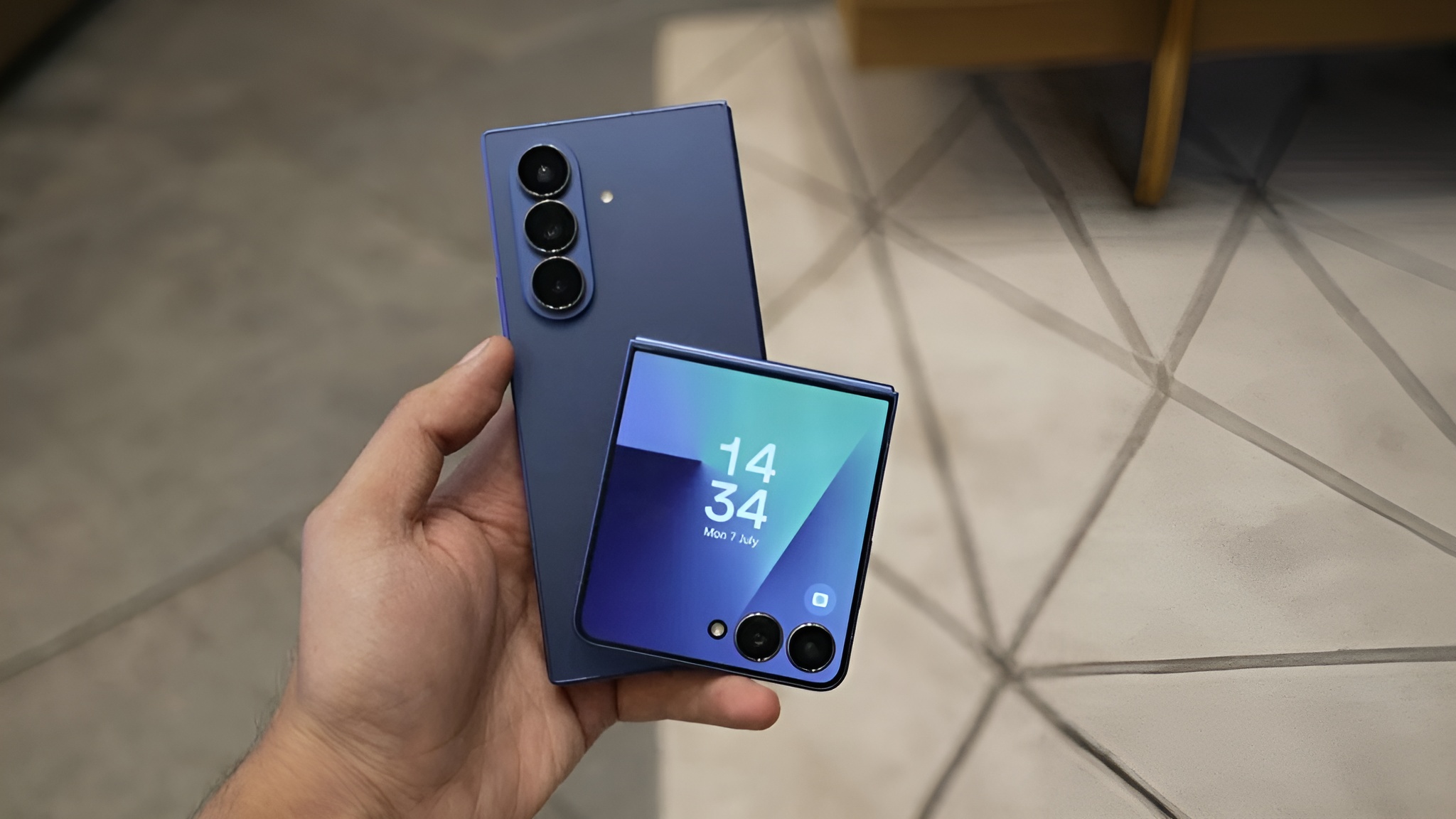
This year’s production push also reflects Samsung’s broader strategy to prioritize its flagship foldable over mid-range alternatives. While the Galaxy S26 Ultra remains a production focus, the Z Fold 8’s ramp-up signals a bet on the foldable format’s long-term viability, even as the company scales back on less expensive models.
What’s Next?
The Galaxy Z Fold 8’s production lead doesn’t account for a potential Fan Edition (FE) model, which could further complicate the landscape. If Samsung introduces a more affordable variant, it might alter the balance—but for now, the company is doubling down on the premium segment.
For buyers, this means the foldable market is evolving. Those willing to invest in a Galaxy Z Fold 8 may find themselves in a smaller but more competitive segment, with Samsung treating foldables as a high-margin, high-innovation category rather than a budget-friendly experiment.
Availability for both devices remains tied to the second half of 2026, with no confirmed pricing outside South Korea. Samsung’s production strategy suggests the Fold 8 will be the brand’s flagship foldable play, while the Flip 8’s role may shrink—unless a new FE model changes the game.