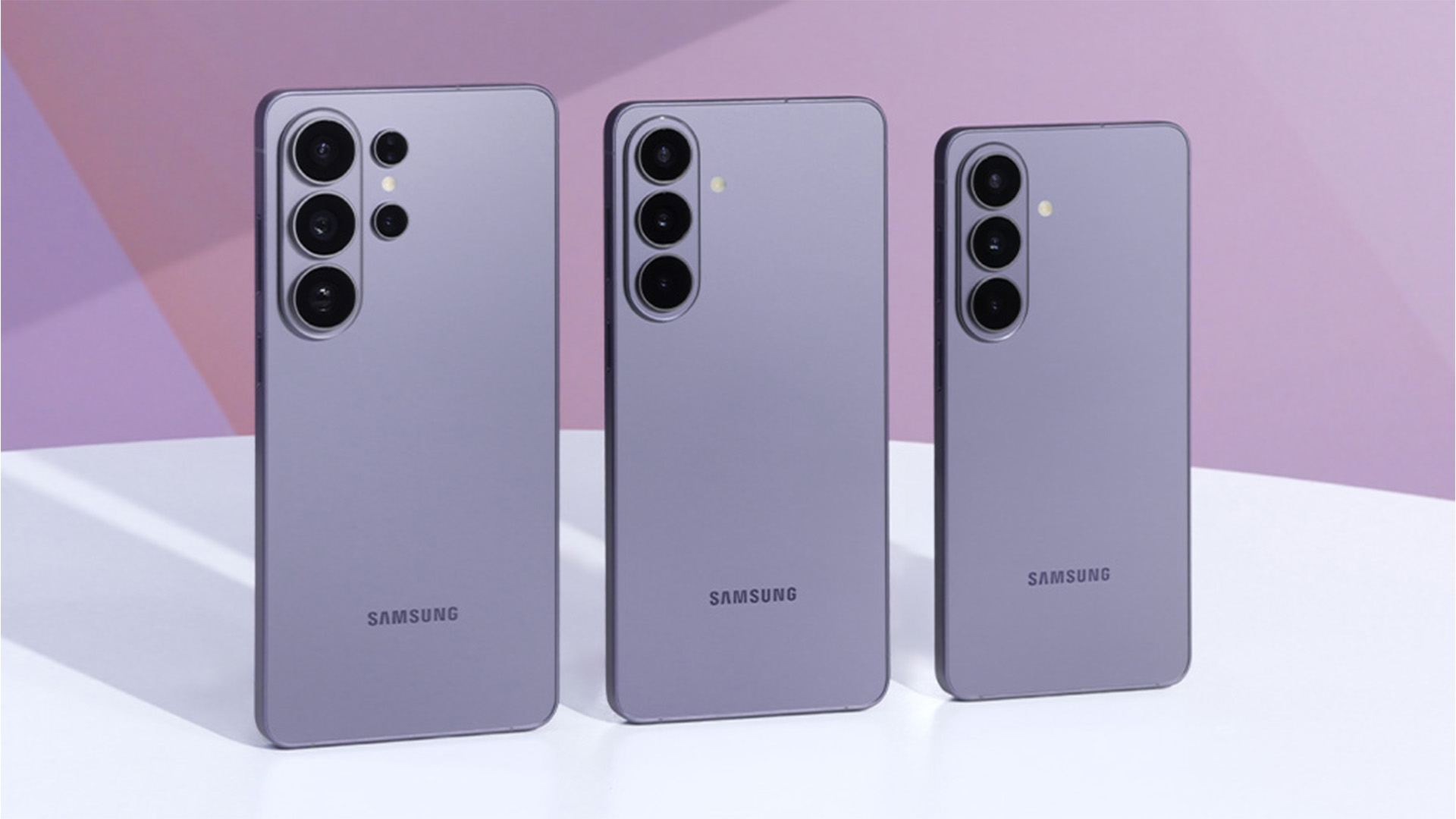
Samsung’s next-generation Exynos 2700 chipset, set to debut in the Galaxy S27 series, marks a strategic pivot for the company’s semiconductor division. While the chip itself won’t be a standalone product, its adoption in Samsung’s flagship phones is expected to generate an estimated $112.8 million in operating profit for the company’s non-memory business by the end of 2026.
The Exynos 2700 represents Samsung’s first major foray into a second-generation 2nm GAA (gate-all-around) process, codenamed SF2P. This follows the rollout of the Exynos 2600, which laid the groundwork for Samsung’s in-house chip ambitions. Unlike its predecessor, the Exynos 2700 is designed to account for up to 50% of the chipset shipments in the Galaxy S27 lineup, a significant shift from previous models where Qualcomm’s Snapdragon processors dominated.
A Financial and Technical Upgrade
The financial impact of the Exynos 2700 extends beyond Samsung’s internal divisions. The company’s LSI arm, responsible for manufacturing chipsets, camera sensors, and 5G modems, will benefit directly from the increased adoption of in-house solutions. Meanwhile, Samsung’s Mobile Experience division, which procures these chips, will contribute to LSI’s revenue growth—a closed-loop system that strengthens the company’s vertical integration.
Technically, the Exynos 2700 is built on Samsung’s SF2P process, which the company claims offers advantages over its first-gen 2nm node. Early reports suggest the SF2P+ process, a third-gen iteration, is already in development, hinting at a rapid evolution in Samsung’s semiconductor roadmap. However, questions remain about the stability of yields for the first-gen 2nm process, with industry reports indicating current yields at just 50%. If Samsung is accelerating to SF2P without resolving these challenges, it signals confidence in the process’s long-term potential.

What It Means for Samsung’s Flagship Strategy
- Reduced Qualcomm Dependency: The Exynos 2700’s prominence in the Galaxy S27 lineup reduces Samsung’s historical reliance on Qualcomm for flagship processors. This shift aligns with broader industry trends as manufacturers seek to diversify their supply chains.
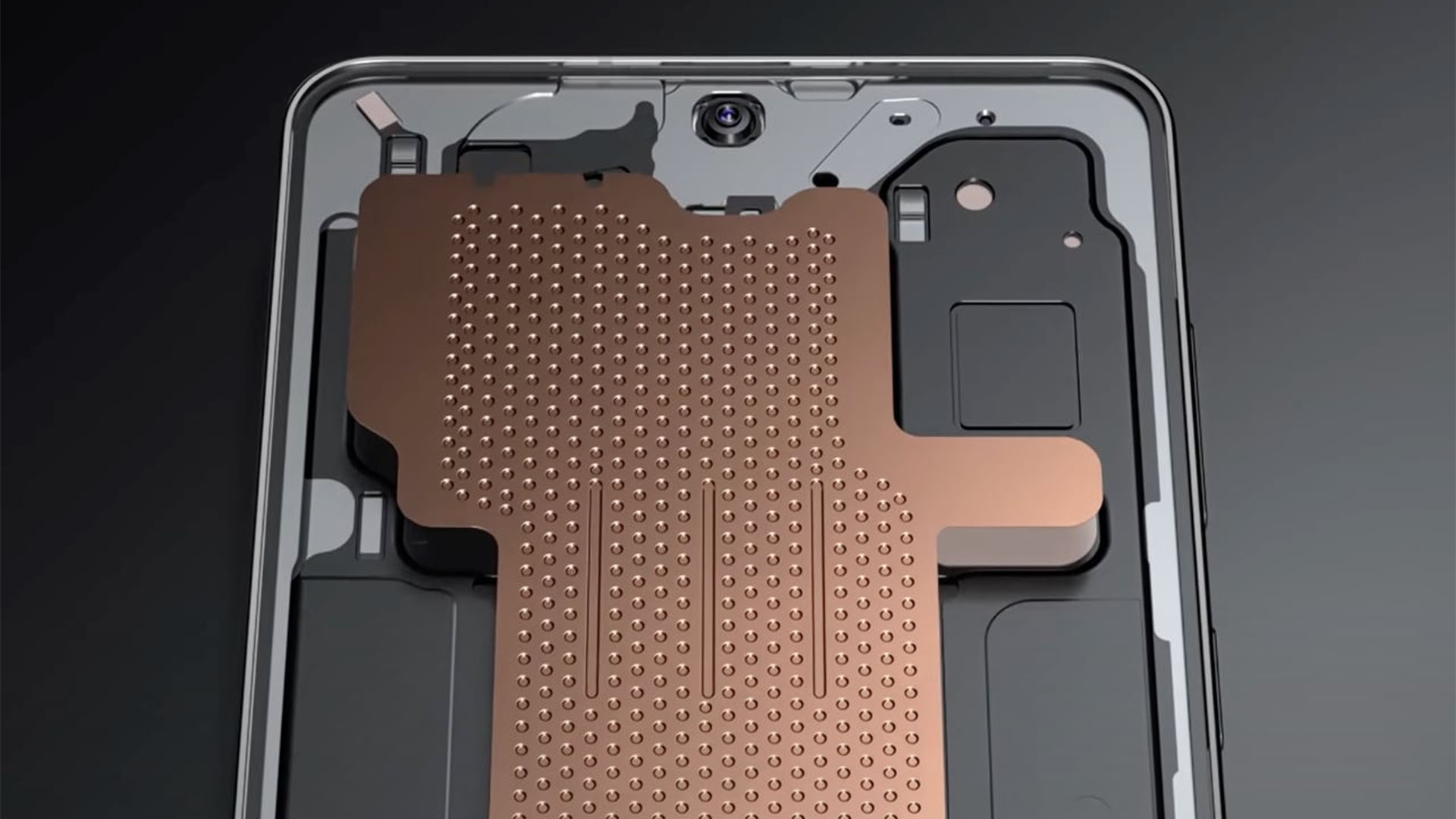
- Performance and Efficiency: While exact specifications for the Exynos 2700 remain under wraps, the move to a 2nm process suggests improvements in power efficiency and performance density. This could translate to longer battery life and thinner device designs in the Galaxy S27 series.
- Memory and Storage Advancements: Samsung’s parallel development of next-gen memory technologies, such as LPDDR6X and HBM4, will likely pair with the Exynos 2700. The chipset’s architecture may optimize for these faster memory solutions, further enhancing its appeal for high-end devices.
For Samsung, the Exynos 2700 is more than a technical upgrade—it’s a financial and strategic move. By increasing internal chipset adoption, Samsung not only boosts its non-memory profits but also reinforces its position as a vertically integrated tech giant. The chip’s success could also pressure competitors like Qualcomm to innovate more aggressively in their own roadmaps.
Looking Ahead
Mass production of the Exynos 2700 is expected to begin in late 2026, coinciding with the launch of the Galaxy S27 series. If the SF2P process delivers on its promises, Samsung may accelerate its plans to phase out Qualcomm in future flagship models entirely. For now, the Exynos 2700 serves as a proof-of-concept for Samsung’s ability to compete in the high-end chipset market—one that could redefine the company’s relationship with its own hardware.