As NVIDIA accelerates its push into AI infrastructure with the Vera Rubin server lineup, Samsung has emerged as a key supplier—one that’s now positioned to deliver HBM4 memory modules earlier than expected. The development underscores a dramatic reversal for Samsung, which had struggled to regain traction in the high-bandwidth memory (HBM) market after falling behind competitors like SK hynix and Micron.
Just months ago, Samsung’s HBM business was in a precarious position, with reports suggesting NVIDIA had rejected its earlier HBM3E offerings in favor of rivals. Today, that narrative has flipped. Samsung’s HBM4 modules—featuring pin speeds exceeding 11 Gbps—have not only passed NVIDIA’s rigorous verification process but are now slated for integration into Vera Rubin servers as soon as June. This timeline aligns with NVIDIA’s broader strategy to ramp up AI server shipments starting in August, with Rubin chips taking center stage at the company’s GTC 2026 conference.
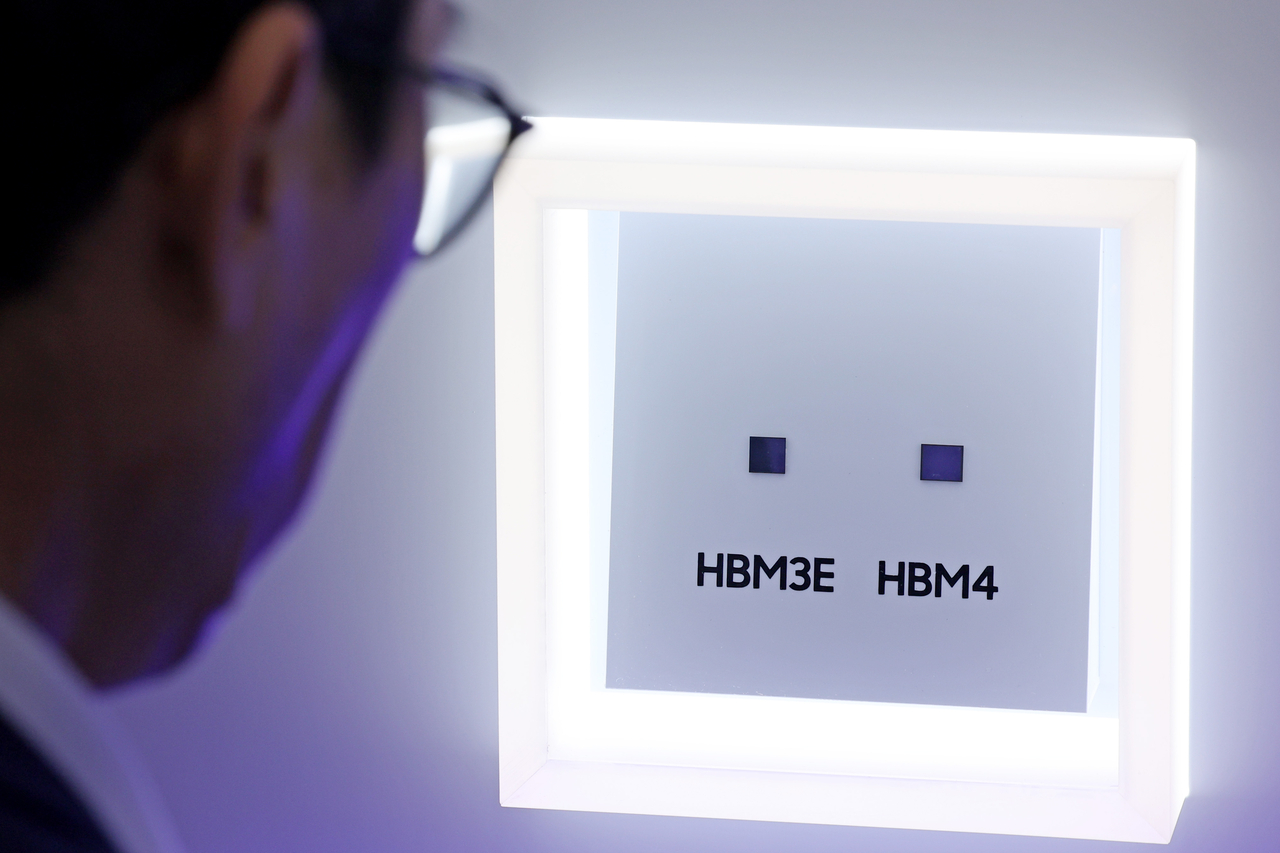
The turning point lies in Samsung’s ability to meet NVIDIA’s exacting requirements. Unlike competitors relying on external foundries like TSMC for their logic dies, Samsung manufactures its 4nm logic base die in-house. This vertical integration has allowed the company to guarantee both performance and supply consistency—a critical factor as NVIDIA scales Vera Rubin production. The result? HBM4 modules with interface widths and speeds tailored to the demands of next-generation AI workloads, where memory bandwidth is a bottleneck.
Why it matters for AI infrastructure
Vera Rubin’s design hinges on memory innovations to support agentic AI—systems requiring real-time data processing and ultra-low latency. Samsung’s HBM4 delivers exactly that, with pin speeds surpassing the JEDEC standard (which caps at 8 Gbps for HBM4). This performance gap isn’t just incremental; it’s transformative. For NVIDIA, it means servers capable of handling the massive data throughput needed for large language models and generative AI. For Samsung, it’s a strategic win that restores its dominance in a segment once dominated by rivals.
With customer shipments of Vera Rubin servers set to begin in August, Samsung’s HBM4 modules will be under the spotlight. The company’s co-CEOs have already signaled confidence in reclaiming lost ground, and this verification milestone is a tangible step toward that goal. Meanwhile, competitors like Micron and SK hynix—still reliant on TSMC for logic dies—face pressure to match Samsung’s speed and scalability. The race for HBM leadership isn’t just about technology; it’s about who can deliver at the pace AI demands.
For Samsung, the answer is now clear: it’s back in the game—and leading the charge.