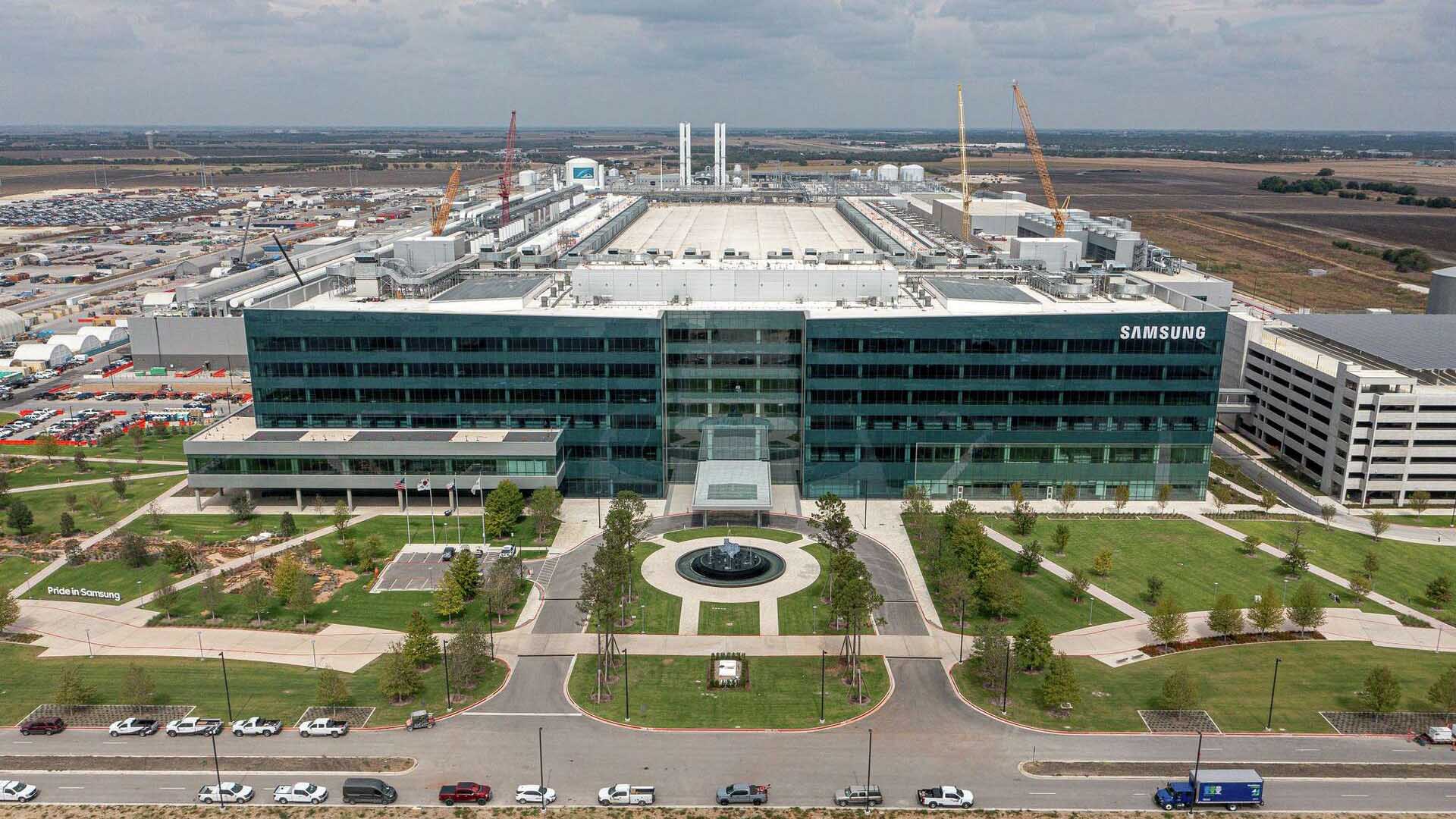
Samsung’s investment in the Taylor, Texas plant has reached a critical phase with the start of trial production for its next-generation 2 nanometer process chips. This development marks a pivotal moment not only for Samsung but for the broader U.S. semiconductor industry, which has long sought to reduce dependence on overseas manufacturing hubs.
The 2nm process is designed to deliver substantial advancements in power efficiency and performance, with potential to outpace even the most advanced nodes currently in production. While trial runs are underway, full-scale production could redefine the capabilities of high-performance computing, mobile devices, and AI-driven applications. For Samsung, this represents a strategic pivot from its historical focus on memory chips toward becoming a formidable player in advanced logic chip manufacturing.
- Power efficiency gains of up to 30% compared to 3nm nodes, addressing critical challenges in heat management and battery life.
- Higher transistor density, allowing for more complex and powerful designs within the same physical space.
- Enhanced support for AI and machine learning workloads, which demand increasingly sophisticated chip architectures.
The implications for the U.S. are equally significant. Manufacturing these chips domestically could mitigate risks associated with geopolitical tensions and supply chain vulnerabilities, particularly in regions like Taiwan where TSMC operates. However, transitioning from trial production to mass adoption will require overcoming hurdles such as scaling output efficiently and maintaining consistent yield rates—a process that Samsung has not yet detailed publicly.
Industry observers are already speculating on how this move could reshape competition in the semiconductor market. If Samsung succeeds in stabilizing 2nm production, it could pressure TSMC to accelerate its own advancements while opening new opportunities for U.S.-based companies. The focus now shifts to whether Samsung can replicate its success in memory chips with this new venture, particularly as demand for cutting-edge logic chips continues to surge.
For consumers and developers alike, the potential benefits are clear: more efficient, powerful, and innovative devices that push the boundaries of what’s possible in computing. The next few months will be decisive in determining whether Samsung’s Taylor plant can cement its place as a cornerstone of U.S. chip manufacturing, or if further refinements are needed before this vision becomes reality.