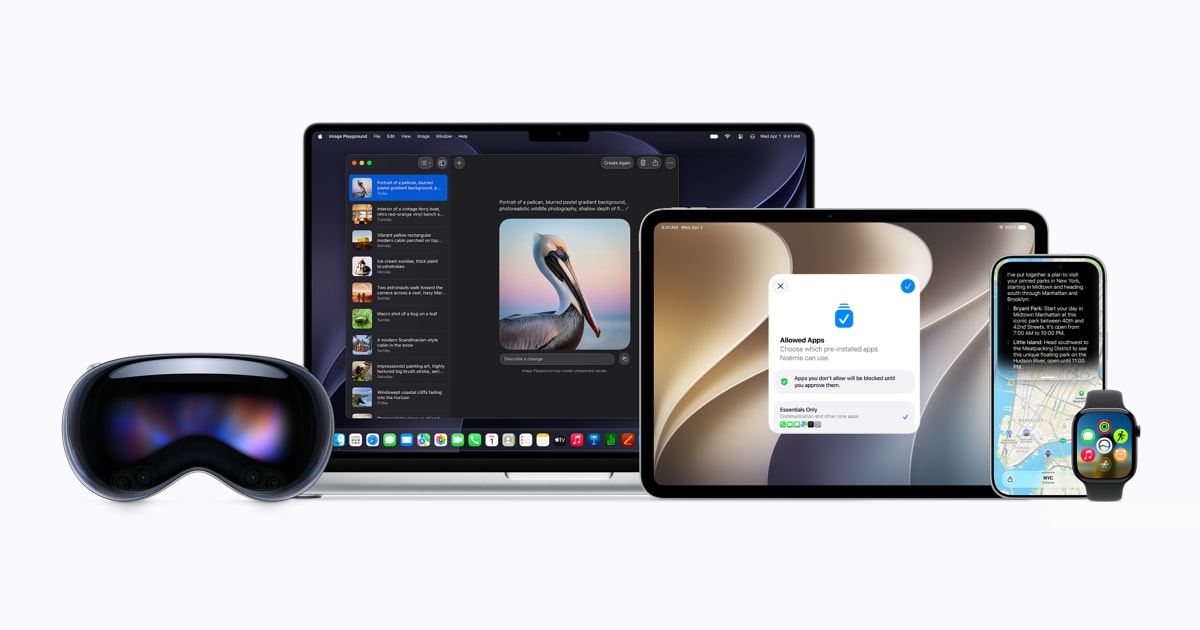
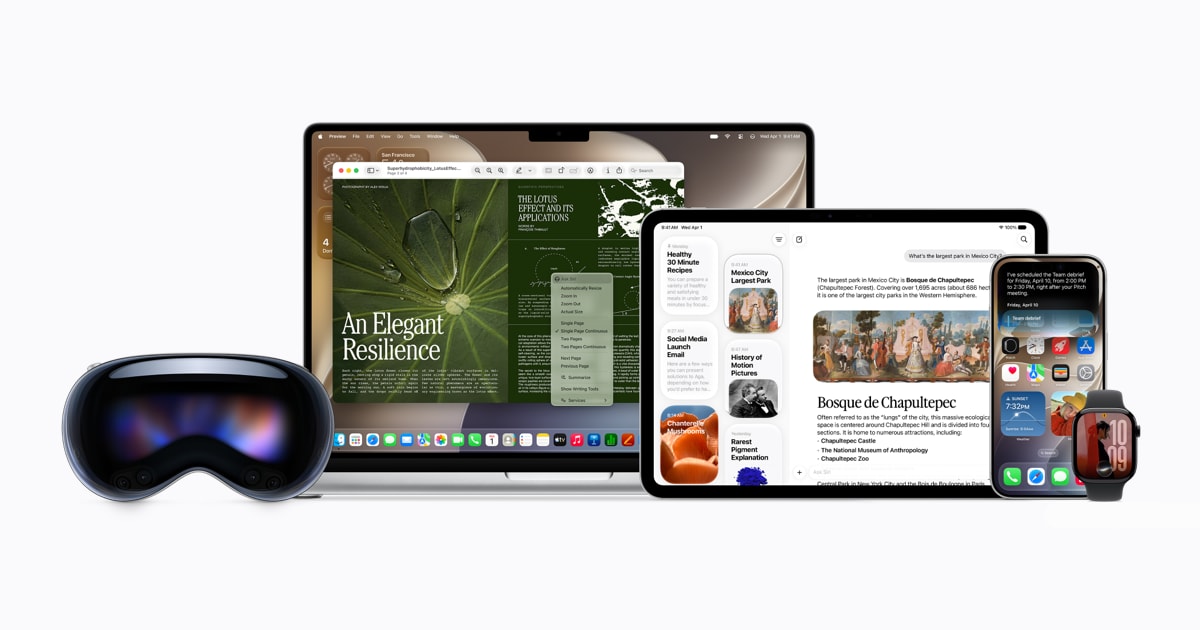
Apple's upcoming Siri AI, built on Apple Intelligence, will arrive in Europe later than expected—if at all—due to clashes with the European Union over data access and security. The Digital Markets Act (DMA) requires Apple to grant virtual assistants broad control over user devices, a move the company argues would expose EU users to significant privacy risks without adequate safeguards.
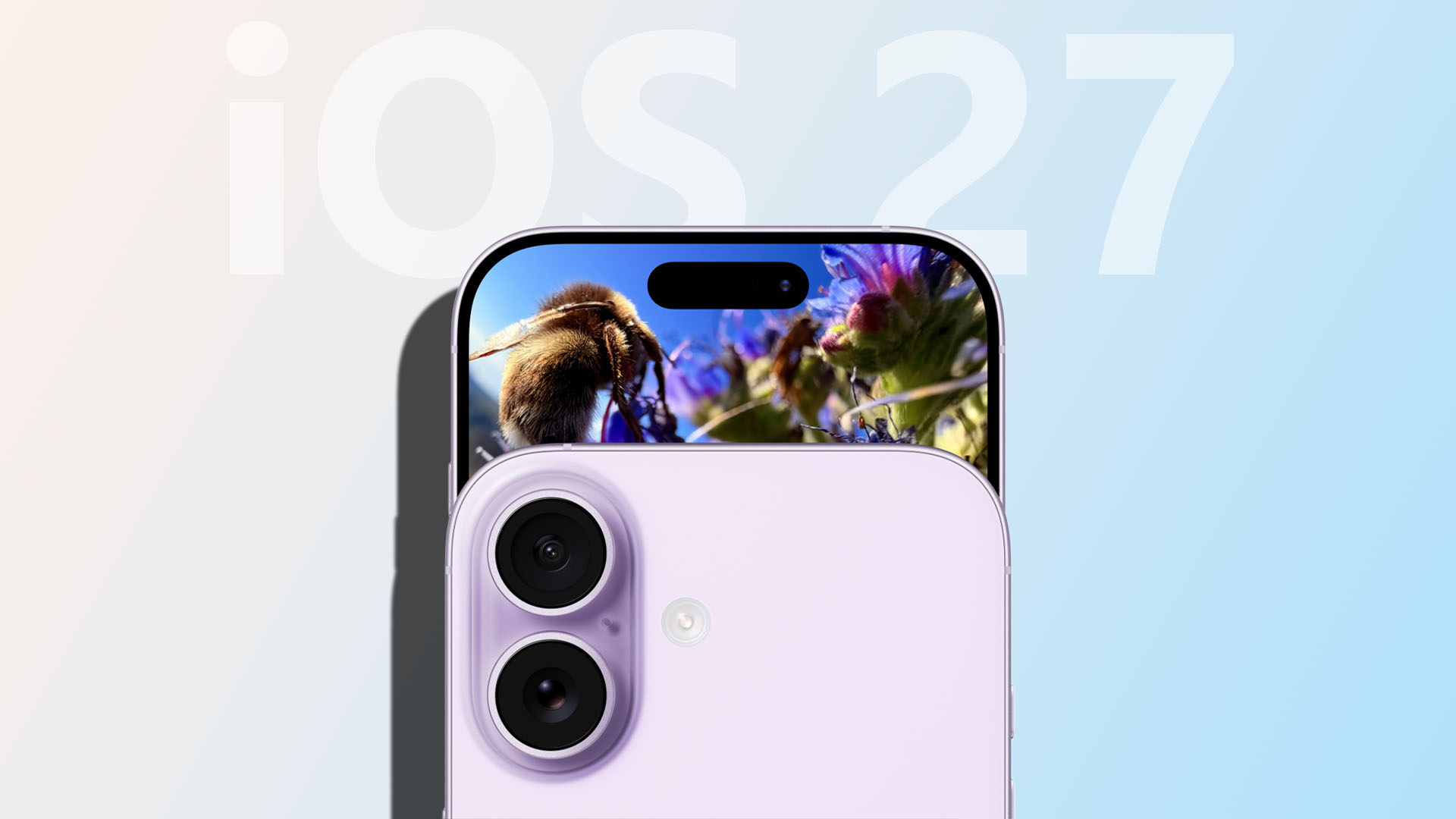
The delay means Siri AI will not be part of iOS 27 or iPadOS 27 when those updates roll out later this year. Instead, EU users will have access only on macOS 27, visionOS 27, and watchOS 27. Developers in the region also won't be able to test Siri AI features on iPhones or iPads.
The core issue revolves around how virtual assistants interact with user data. Under DMA rules, any AI system—including Siri—would need direct access to messages, purchases, files, and app actions without the protections Apple has built into its current design. The company proposed a solution called Trusted System Agent, which would act as an intermediary to mitigate risks, but EU regulators rejected it, leaving no clear path forward.
For everyday users, this means missing out on features like a dedicated conversation revisit app, expanded Visual Intelligence tools, and Siri integration in the Camera app. While non-EU users will experience these upgrades with iOS 27, EU consumers face an uncertain timeline for similar capabilities.
The standoff highlights broader tensions between Apple's privacy-first approach and regulatory demands for open access to device functions. Without a resolution, EU users may be left behind in the evolution of AI-driven assistants while other regions benefit from Apple's latest advancements.