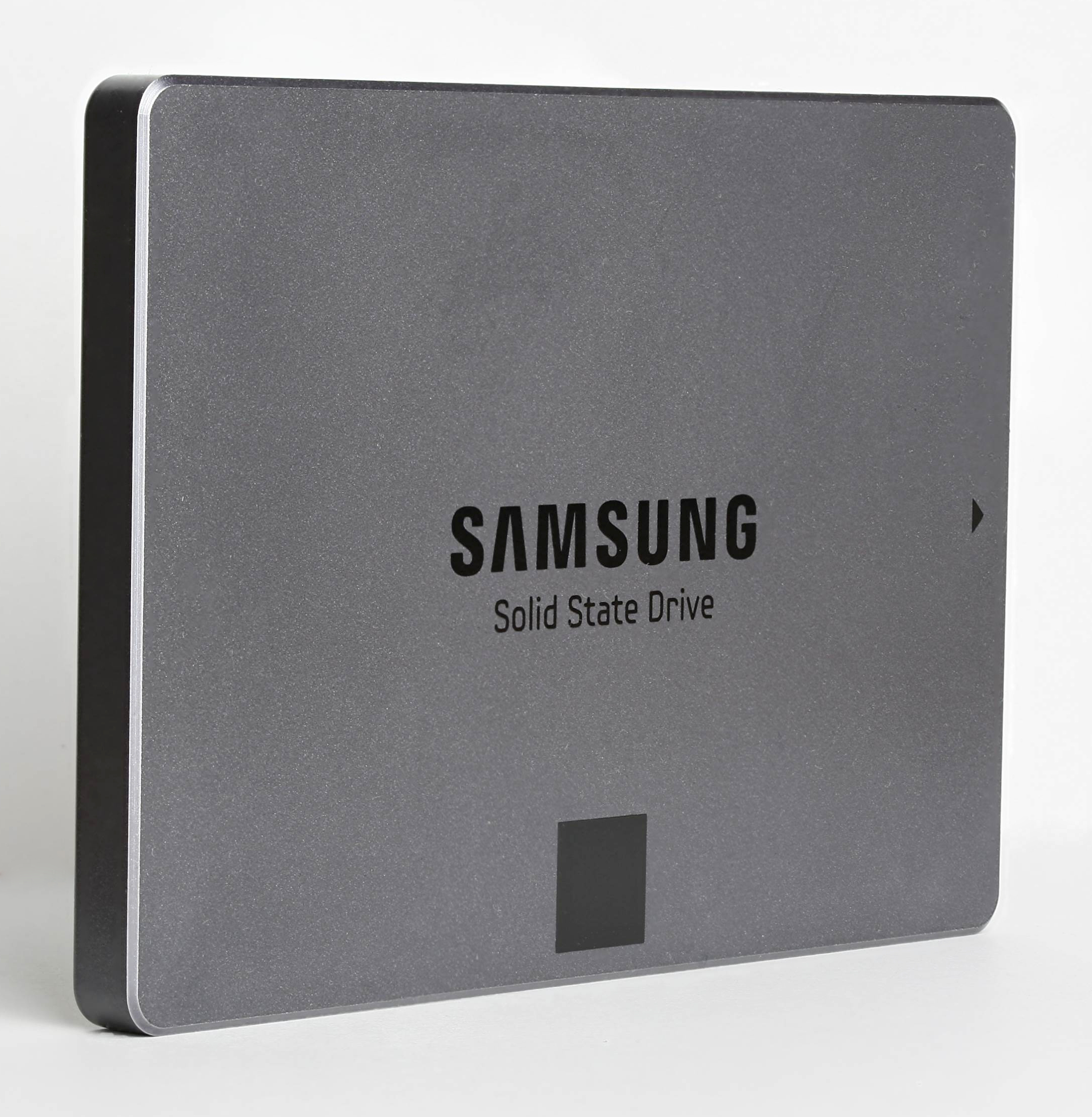
Engineers in Rancho Cordova are now building the next generation of solid-state drives that can sustain the heat and demand of large-scale AI workloads without traditional cooling. This shift—from lab concept to market-ready hardware—marks a turning point for how data centers manage thermal constraints while scaling storage capacity.
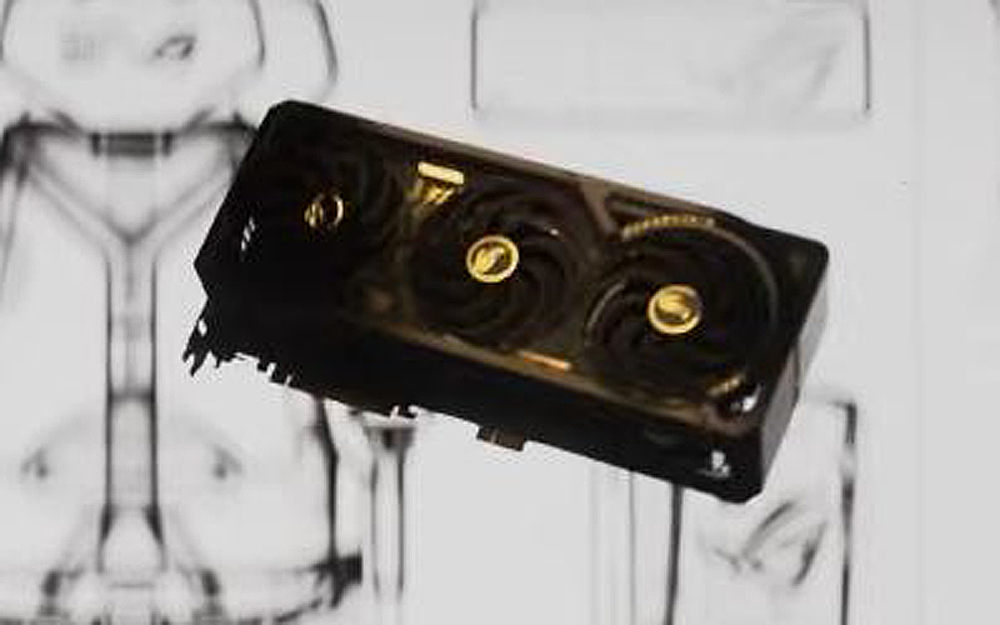
The expansion, which has already surpassed its initial $100 million investment target, introduces nearly 100 new NAND fabrication tools across a newly constructed R&D campus. These tools are not just additions; they represent a rethinking of how storage media is designed for AI environments. For example, the company’s liquid-cooled SSD architecture, developed entirely in Sacramento, eliminates the need for fans in GPU systems, directly addressing one of the most persistent bottlenecks in high-density data centers.
This development follows Solidigm’s earlier achievement: engineering the world’s highest-capacity SSD, a milestone that relied on processes refined in its local labs. The combination of advanced cooling and increased density means AI clusters can now process larger datasets without sacrificing performance or efficiency—a critical balance for organizations training or inferencing at scale.
The Sacramento campus is also becoming a hub for talent, attracting engineers who specialize in storage innovation. This concentration of expertise allows the company to iterate rapidly on designs, test edge cases under real-world thermal loads, and refine software interfaces that manage workload distribution across drives. The result is a product line that leads industry benchmarks not just in raw speed, but in sustained performance under sustained heat.

Looking ahead, an additional 250,000 square feet of space—currently under construction—will house new collaboration zones, meeting pods, and updated lab infrastructure. These improvements are part of a $25 million workplace enhancement initiative aimed at fostering cross-disciplinary innovation between hardware, firmware, and AI algorithm teams. While the exact roadmap for future SSDs remains internal, the focus on liquid cooling and high-density NAND suggests continued emphasis on thermal resilience in next-generation storage.
The expansion reinforces Sacramento’s role as a center for global AI infrastructure development. Local officials have noted that such investments strengthen regional economies while positioning smaller markets to compete with tech hubs traditionally dominated by larger players. For Solidigm, the decision to deepen its presence reflects both strategic choice and practical necessity: the complexity of AI storage demands co-located R&D where hardware, thermal modeling, and software can evolve in lockstep.
What is confirmed: the company has exceeded its $100 million investment commitment, added nearly 100 NAND tools to its Sacramento campus, and introduced liquid-cooled SSD technology for fanless AI systems. What remains uncertain: specific timelines for new product releases beyond the current generation, and whether additional regions will follow this model of concentrated R&D.
Organizations that stand to benefit most are large-scale AI data center operators requiring high-density, low-power storage solutions with robust thermal management. As workloads grow more computationally intensive, the ability to sustain performance without active cooling becomes a decisive factor in infrastructure design.