Sony’s next-generation PlayStation console may not arrive as soon as gamers expect. Internal deliberations suggest the system’s launch could slip to 2028 or even 2029, a shift that would upend Sony’s long-term hardware strategy and leave consumers in limbo for years.
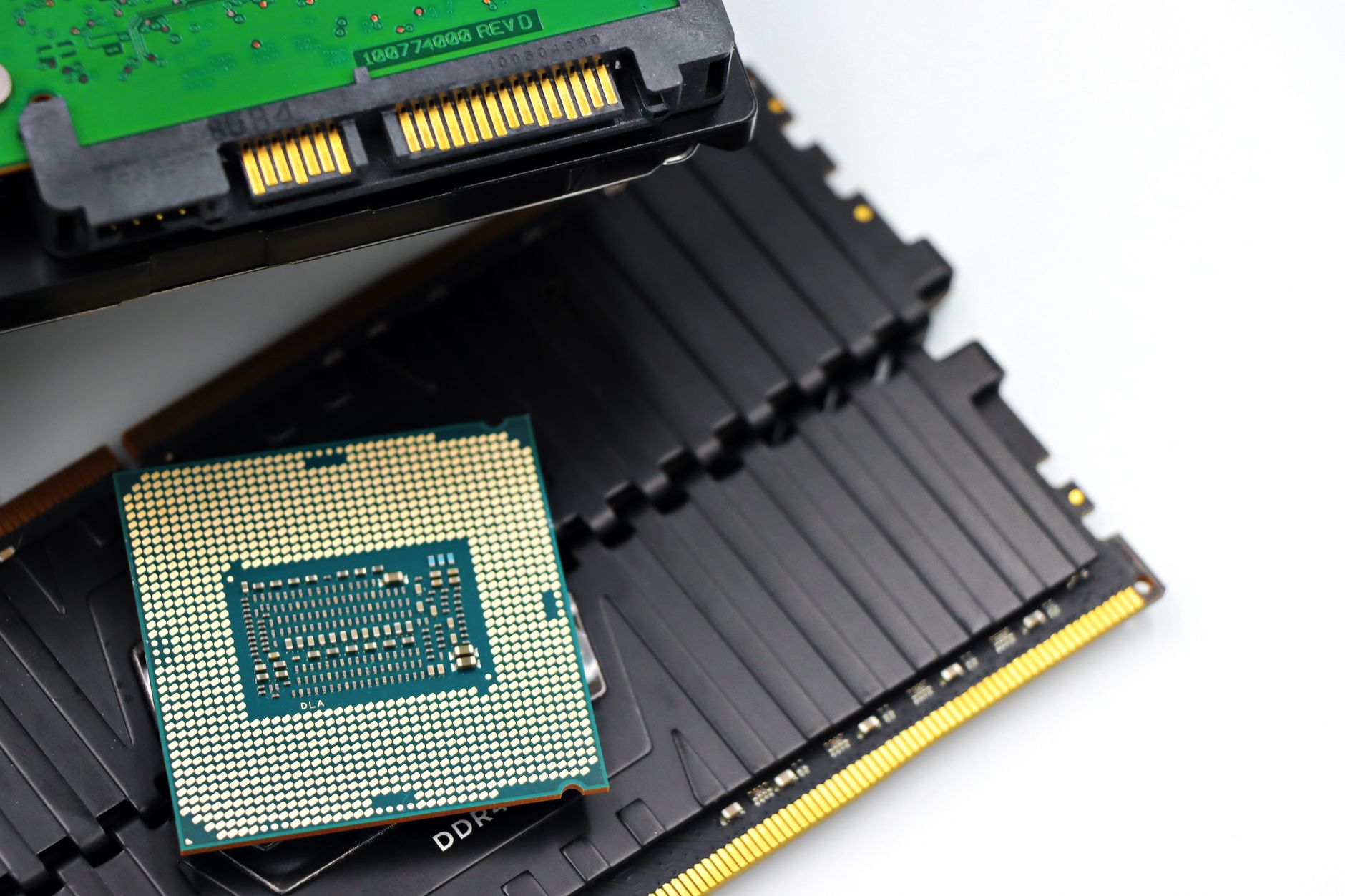
The delay stems from a global memory chip shortage—not just a temporary glitch, but a structural crisis fueled by AI. Data centers, from OpenAI to Alphabet, are consuming vast quantities of DRAM and NAND, siphoning supply away from traditional markets like gaming and PCs. With no immediate relief in sight, Sony is among the companies forced to recalibrate plans.
This isn’t just about PlayStation. Nintendo is reportedly exploring price hikes for its upcoming Switch 2 in 2026, while custom PC builders like Falcon Northwest have seen average system costs balloon by $1,500 in a single year. The ripple effects extend to smartphones, automotive systems, and even everyday devices relying on storage for photos or apps.
The AI Memory Crunch
At the heart of the problem lies the explosive growth of AI infrastructure. Companies deploying Nvidia’s AI accelerators—each requiring hundreds of gigabytes of memory—are outbidding consumer electronics firms for limited chip capacity. Samsung and Micron, the two dominant suppliers, are struggling to meet demands from both camps, leaving manufacturers scrambling.
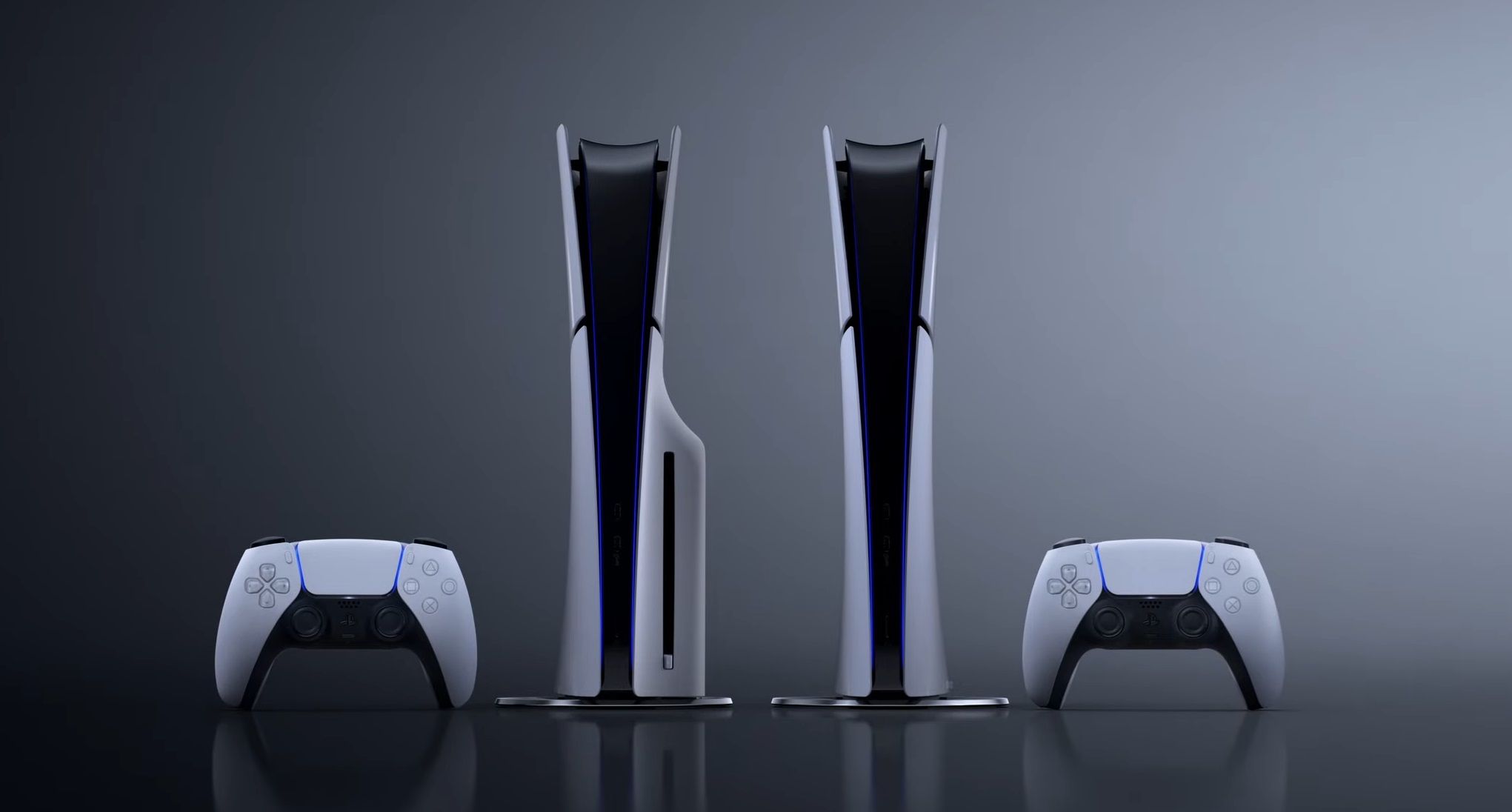
For Sony, the stakes are high. A delayed console would disrupt its multi-year roadmap, including software releases and ecosystem upgrades. The company has historically balanced hardware cycles with steady innovation, but the current environment forces a pause. Even industry leaders like Tim Cook and Elon Musk have flagged the shortage as a global crisis, though no quick fixes are on the horizon.
Broader Fallout
The memory crunch has already reshaped the PC market. Micron’s decision to discontinue its Crucial brand—a staple for decades—triggered a scramble for alternatives, driving prices to record highs. Custom builders now face inventory shortages, while mainstream retailers pass costs to consumers. The gaming industry, already volatile, risks further instability if chip allocations remain constrained.
For now, Sony remains tight-lipped. But industry observers suggest the delay is less about technical hurdles and more about supply chain realism. With no end to AI’s memory appetite in sight, even the most ambitious hardware launches may need to adapt.
The question now is whether gamers will accept a four-year gap between consoles—or if the industry will find a way to navigate the storm.