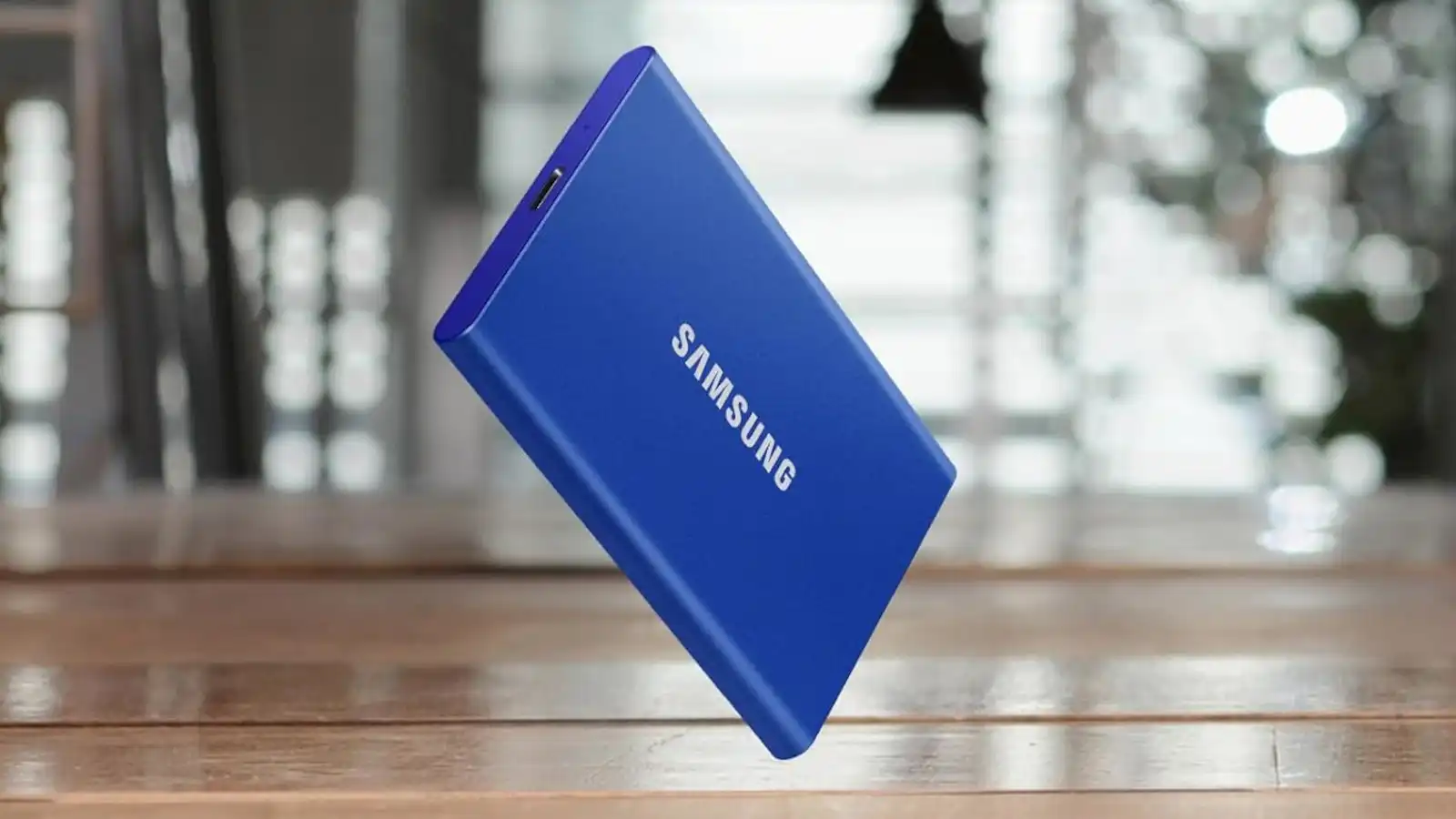
If the last year felt like a rollercoaster for PC buyers—thanks to DRAM shortages and skyrocketing RAM costs—then brace for impact. The next wave is hitting, and this time, it’s targeting the very storage that keeps modern systems running. NAND flash prices, the lifeblood of SSDs, are poised for a historic spike, with Samsung already locking in a staggering 100% increase for contracts in the first quarter of 2026.
The domino effect is already in motion. Retail SSD prices have climbed by nearly 18% since October 2025, and that’s before the full brunt of NAND inflation filters down. What’s worse? Manufacturers like Samsung and SK hynix aren’t just raising prices—they’re actively scaling back production to prioritize profitability over supply. The result? A market where even basic upgrades could cost twice as much within months, with no clear end in sight.
The root cause isn’t just demand—it’s a perfect storm of AI-driven turbulence. Data centers, fueled by the insatiable appetite of machine learning, are consuming NAND at an unprecedented rate. Meanwhile, consumer electronics giants like Apple, NVIDIA, and AMD have secured long-term agreements (LTAs) at inflated rates, leaving little room for budget-conscious buyers. The message from the supply chain is unequivocal: if you were hoping for a lull, you’re out of luck.
Key Specs: The New Reality of SSD Pricing
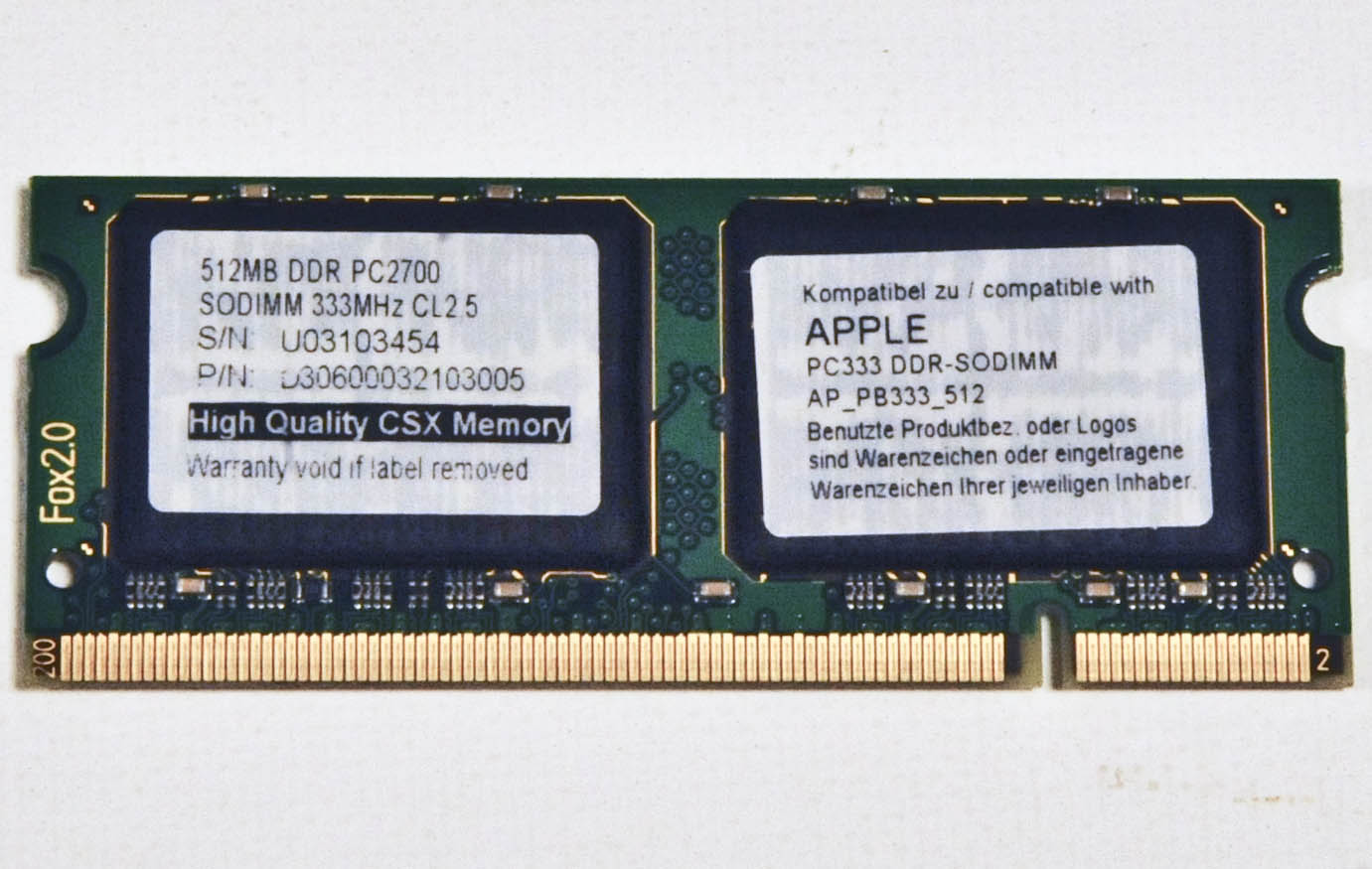
- NAND Price Surge: Samsung’s Q1 2026 contract prices for NAND flash have reportedly doubled, with similar hikes expected from competitors like SK hynix and Micron.
- Retail Impact: SSD prices have already risen 18% since October 2025, with further increases locked in as manufacturers pass along NAND costs.
- Production Shift: Manufacturers are reallocating DRAM production lines to NAND, exacerbating shortages in both memory types.
- No Supply Relief: No major expansions or increased output are planned, leaving consumers at the mercy of contract pricing.
- AI Demand: Data centers remain the primary driver of NAND consumption, with no slowdown in sight.
For the average gamer or creator, this translates to a harsh reality: the days of snagging a 1TB SSD for under $50 are over—at least for now. Even mid-range drives, once a steal at $80–$100, could soon cost $150 or more. The trade-off isn’t just about price tags; it’s about timing. Those who’ve been holding off on upgrades may find themselves priced out entirely, while early adopters risk overpaying for inventory that could lose value faster than expected.
There’s a silver lining, however slim. The current retail prices—already up 18%—might soon look like a bargain compared to what’s coming. For now, the advice is simple: if you’re planning a build, act fast. Stock up before the next wave hits, or prepare for sticker shock that could last well into 2027.
The bigger question is whether this is a temporary squeeze or the new normal. With AI demand showing no signs of abating and manufacturers prioritizing profits over expansion, the answer may well be the latter. For consumers, the only certainty is that the cost of storage just got a lot more expensive—and the relief train isn’t pulling into the station anytime soon.