Steam is set to introduce a tool that can predict a PC’s performance in games before purchase, using Valve’s extensive telemetry database. The feature will analyze system specifications—including CPU, GPU, and memory—to estimate FPS at various settings and resolutions without requiring benchmarking.
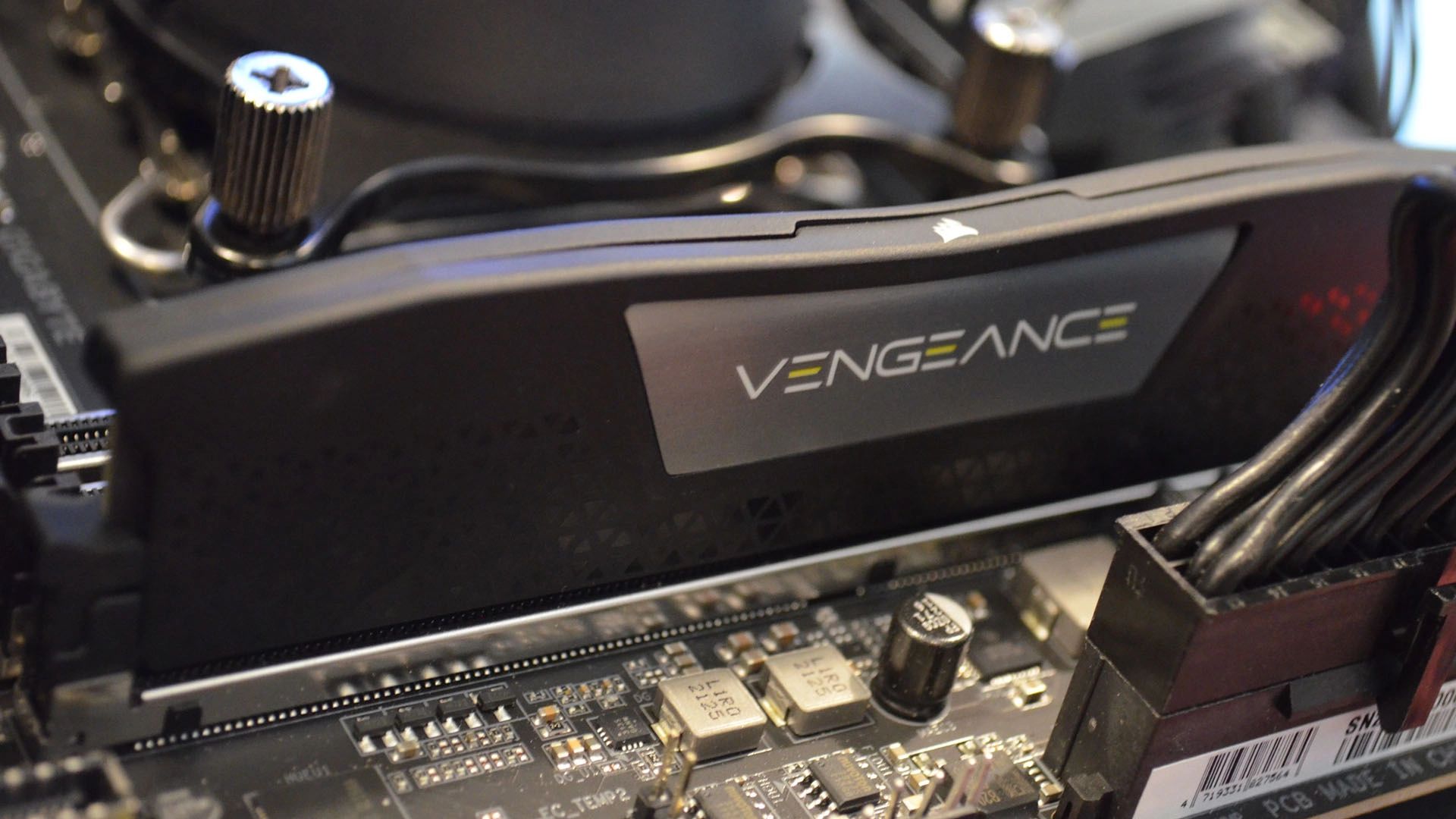
The implementation relies on anonymized data collected from millions of Steam users who opt into Valve’s telemetry system. This dataset allows the platform to cross-reference hardware configurations with actual game performance, refining its estimates over time. For example, it could determine whether a given RTX 5090 paired with DDR5 memory would maintain 60 FPS at 1440p on high settings.
Valve has already begun gathering anonymous FPS data from users, though the exact methodology for aggregating this information remains unclear. The feature is expected to appear in the Steam Client before a public beta release, offering gamers a quick way to assess compatibility without extensive research or testing.

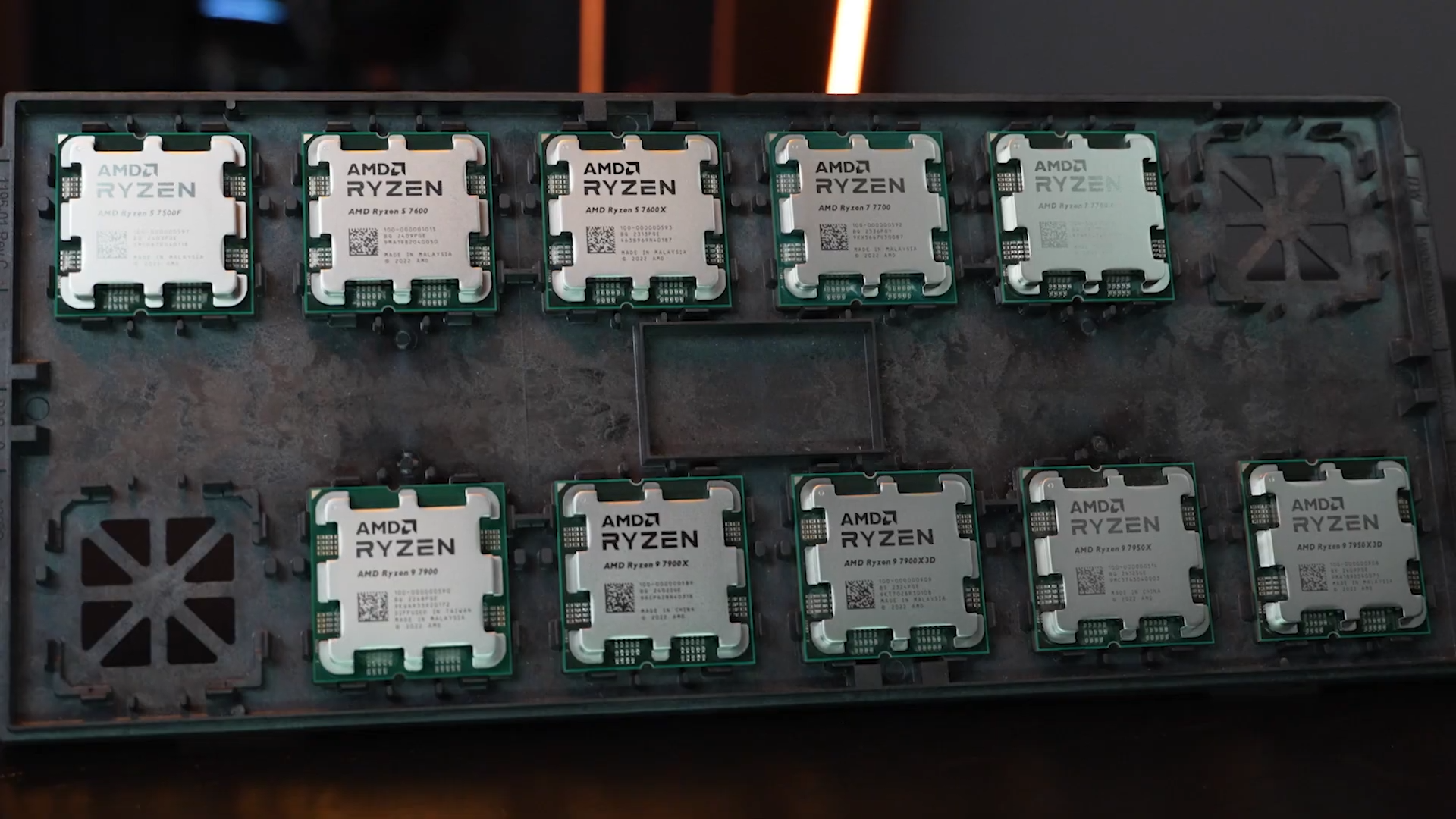
The complexity of modern PC hardware—ranging from AMD Zen processors and Intel alternatives to DDR4 and DDR5 memory—makes performance prediction challenging. Valve’s approach likely mirrors AI-driven recommendation systems used in other industries, balancing accuracy with scalability.
- At a glance:
- Steam will estimate FPS before game purchase using telemetry data
- Supports diverse hardware (CPU/GPU/RAM combinations)
- No benchmarking required—relies on Valve’s database
- Aims to simplify hardware decisions for gamers
The impact extends beyond individual users. Small businesses managing multiple systems could use the tool to optimize builds or assess upgrades, reducing trial-and-error costs. However, long-term performance may vary due to game patches or driver updates.
This isn’t Valve’s first foray into hardware prediction. Earlier reports hinted at a Steam Machine initiative, though details remain sparse. If successful, the FPS estimator could become a staple for PC gamers navigating an increasingly fragmented ecosystem.