The alliance between AMD and NVIDIA, though not a traditional partnership, has quietly reshaped the high-end PC market by forcing each other to innovate in ways that benefit consumers. The result is a tier of systems where Ryzen 7 7800X3D and RTX 4090 pairings dominate benchmarks, but only when paired with 32 GB of DDR5-7000 and PCIe 4.0 storage. This setup isn’t just about raw power—it’s about how these components interact, where NVIDIA’s RT cores and AMD’s 3D V-Cache technology converge to create a platform that demands precision tuning.
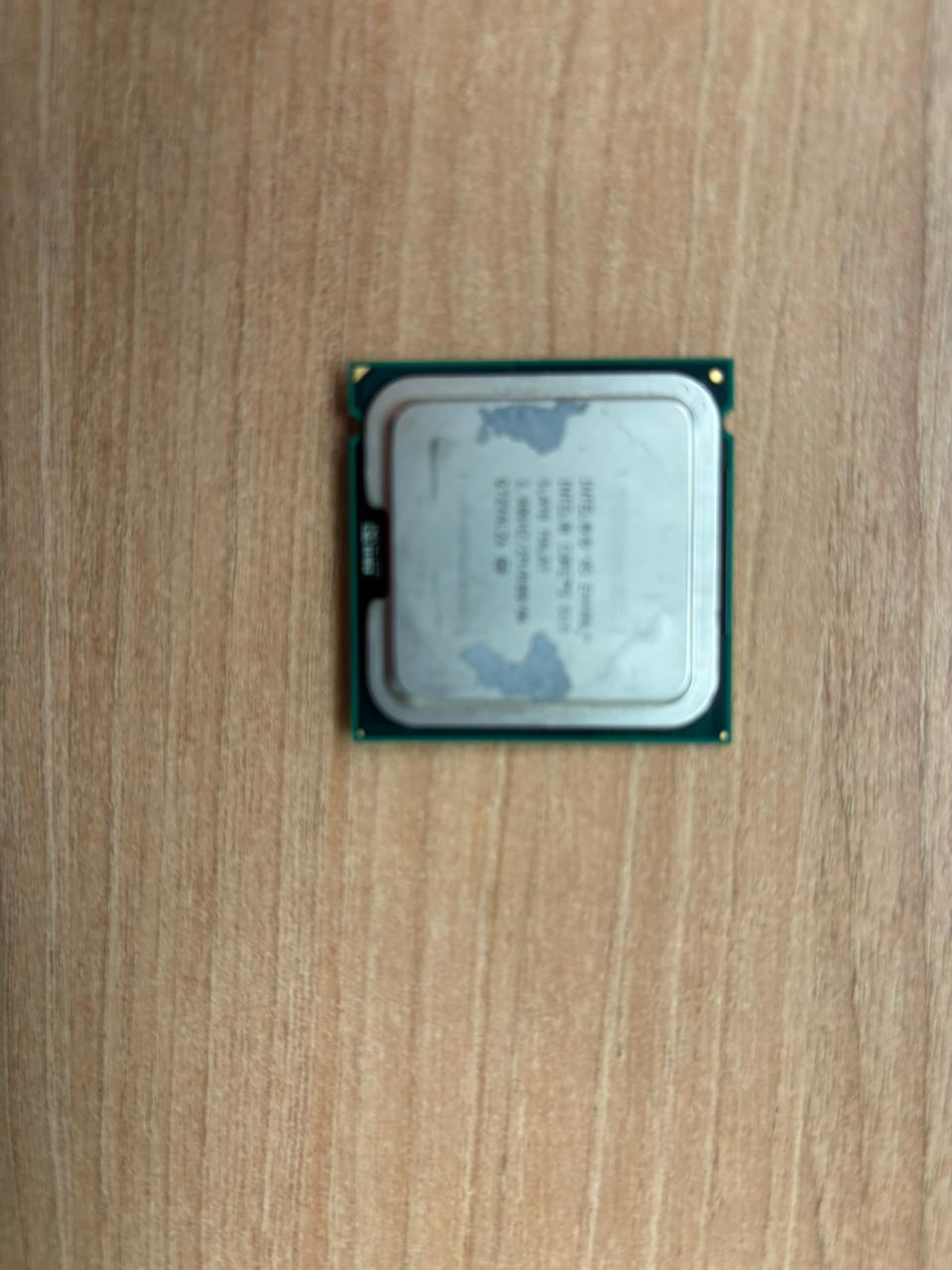
The most striking example of this synergy is seen in workloads that stress both CPU and GPU simultaneously. A Core i7-14700K, while a strong contender for single-threaded tasks, falls short when paired with an RTX 4090 in scenarios requiring heavy ray tracing or AI upscaling. The Ryzen 5 3600GTX, meanwhile, serves as a reminder of how far AMD’s architecture has evolved—even mid-range CPUs now handle 1440p workloads with ease when paired with modern GPUs, though not without trade-offs in latency-sensitive applications.
The Cost of High Fidelity
At the heart of this partnership lies a fundamental truth: 1440p is no longer a sweet spot for high-end gaming—it’s the new baseline. The RTX 4090 excels here, but only when paired with a CPU that can feed it data efficiently. The Ryzen 7 7800X3D, with its 3D V-Cache, bridges this gap by reducing latency in memory-bound tasks, making it the ideal companion for NVIDIA’s flagship GPU. However, this combination doesn’t come cheap. A system built around these components, including 32 GB of DDR5, easily exceeds $3500, placing it out of reach for the average enthusiast.
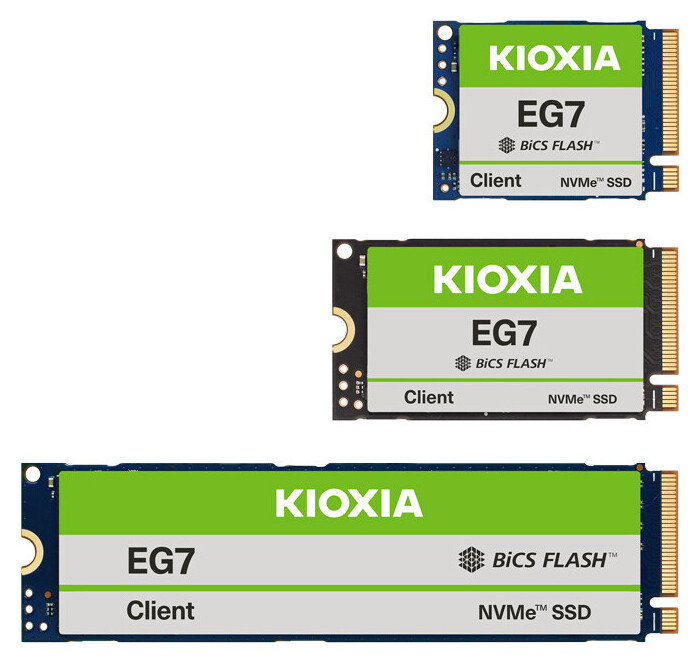
The financial barrier isn’t the only challenge. PCIe 4.0 storage, while faster than its predecessor, becomes a bottleneck in multi-threaded workloads where PCIe 5.0 would be preferable. This limitation is particularly noticeable in content creation, where large datasets and high-resolution textures strain even the most powerful setups.

Performance in Practice
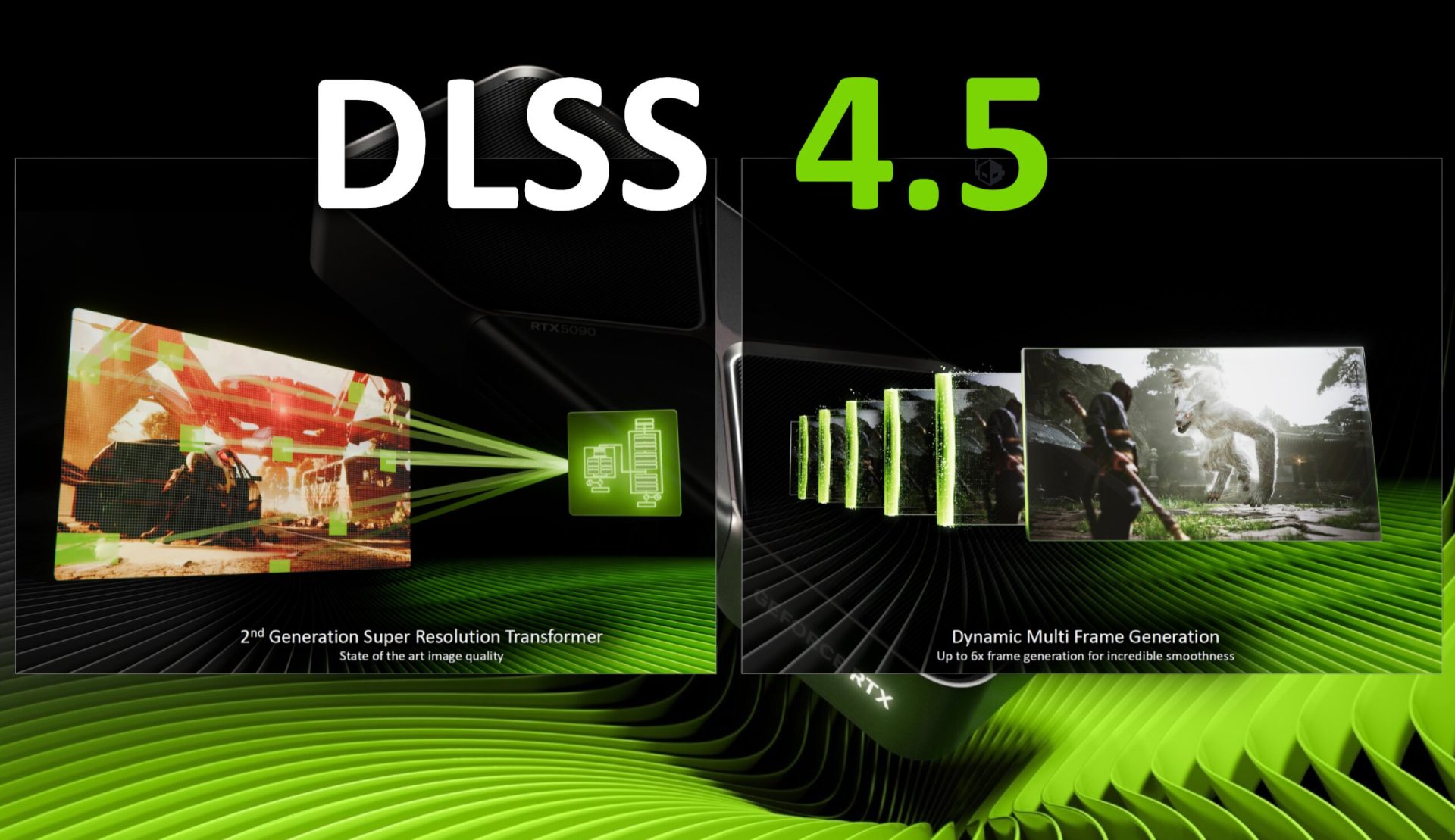
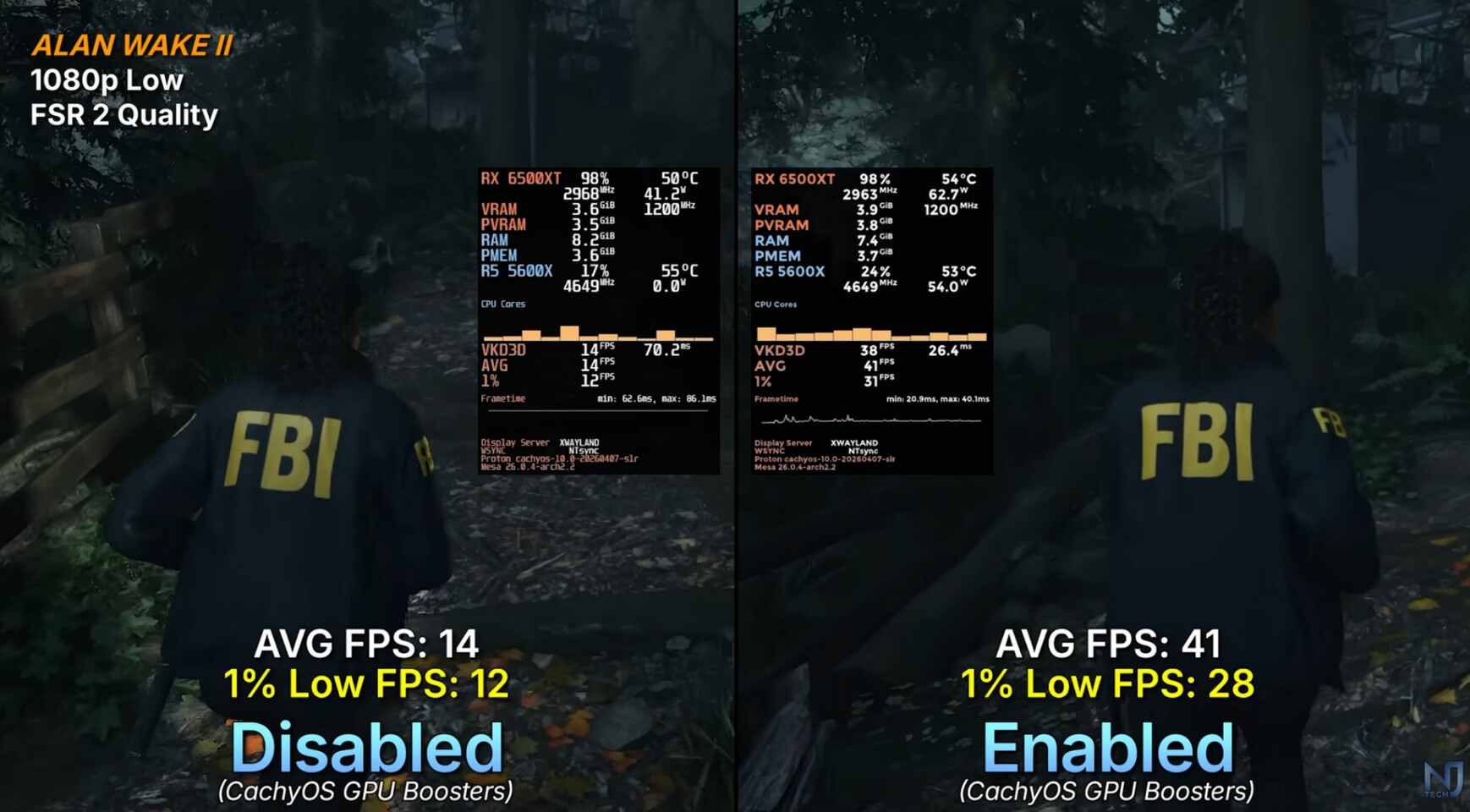
Benchmarking reveals that the RTX 4090 thrives in scenarios where DLSS 3.5 and FSR 3.1 are enabled, but only when paired with a CPU that can sustain high frame rates. The Ryzen 5 3600GTX, for instance, struggles to maintain 60 FPS in 1440p with ray tracing enabled, even with upscaling. In contrast, the Ryzen 7 7800X3D delivers consistent performance, though the gap narrows when TSR or DLSS is applied. This dynamic underscores a critical dependency: the GPU’s potential is only realized when the CPU can keep up.
For gamers, the takeaway is clear: 1440p is the new 1080p—a resolution where high-end hardware can finally deliver the visual fidelity it promises. However, pushing beyond this requires sacrifices. RX 5700 users, for example, will find 1440p playable only with aggressive settings reductions, while RTX 5060 owners may need to accept 1080p as their ceiling. The RTX 4090, meanwhile, remains the only GPU capable of handling 1440p with ray tracing and upscaling enabled, but only when paired with a CPU that matches its prowess.
What Comes Next?
The partnership between AMD and NVIDIA, while not formal, has set a new standard for high-end computing. As both companies refine their architectures, the next generation of CPUs and GPUs will likely push these boundaries further—though at an even greater cost. For now, the $3500 threshold represents the entry point into a world where 1440p is the minimum, and 4K is the ultimate goal.
For creators and gamers alike, the message is simple: if you’re investing in high-end hardware, you’re not just buying performance—you’re committing to a future where every upgrade is a step toward higher resolution, smoother frame rates, and more immersive experiences. The question remains whether the industry will follow suit, or if this level of expenditure will remain the domain of a select few.
The answer may lie in how well AMD and NVIDIA continue to push their respective technologies forward—because in this partnership, the only constant is change.