In the summer of 2024, at Computex, Micron shared insights into the future of memory, hinting at a significant shift in the industry. The event showcased not only innovative cooling solutions and cutting-edge RAM but also set the stage for a looming crisis in memory pricing. While it may have gone unnoticed at the time, the warning signs were clear: AI was about to reshape the demand for memory, pushing prices to unprecedented highs.
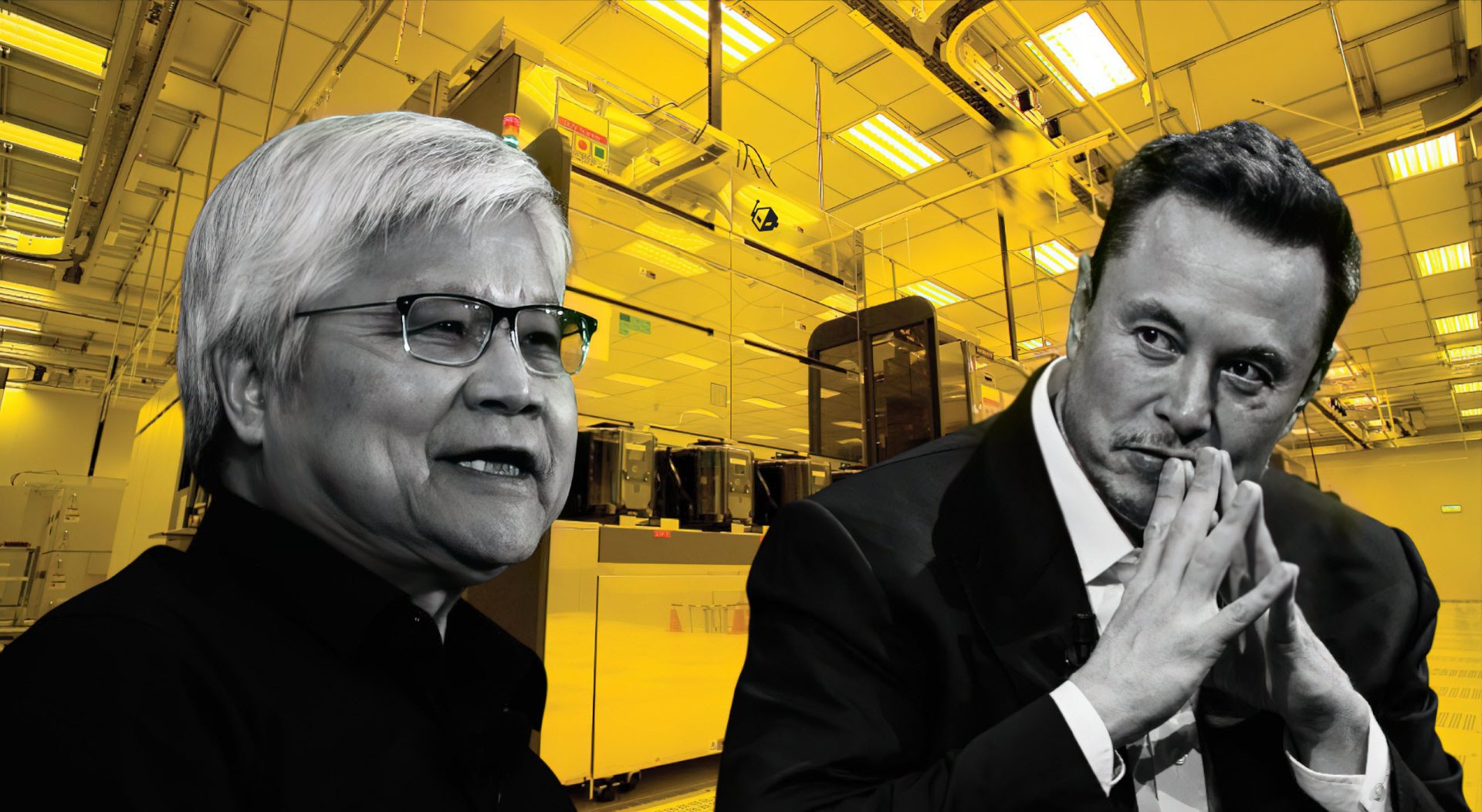
Micron's vice president, Dinesh Bahal, emphasized the growing importance of High Bandwidth Memory (HBM) in the market. He noted that the three major players—Samsung, Hynix, and Micron—were heavily investing in HBM products. This investment was expected to alter the supply-demand balance, affecting memory prices over the coming years. The impact, he suggested, would be felt more acutely as AI applications became more prevalent.
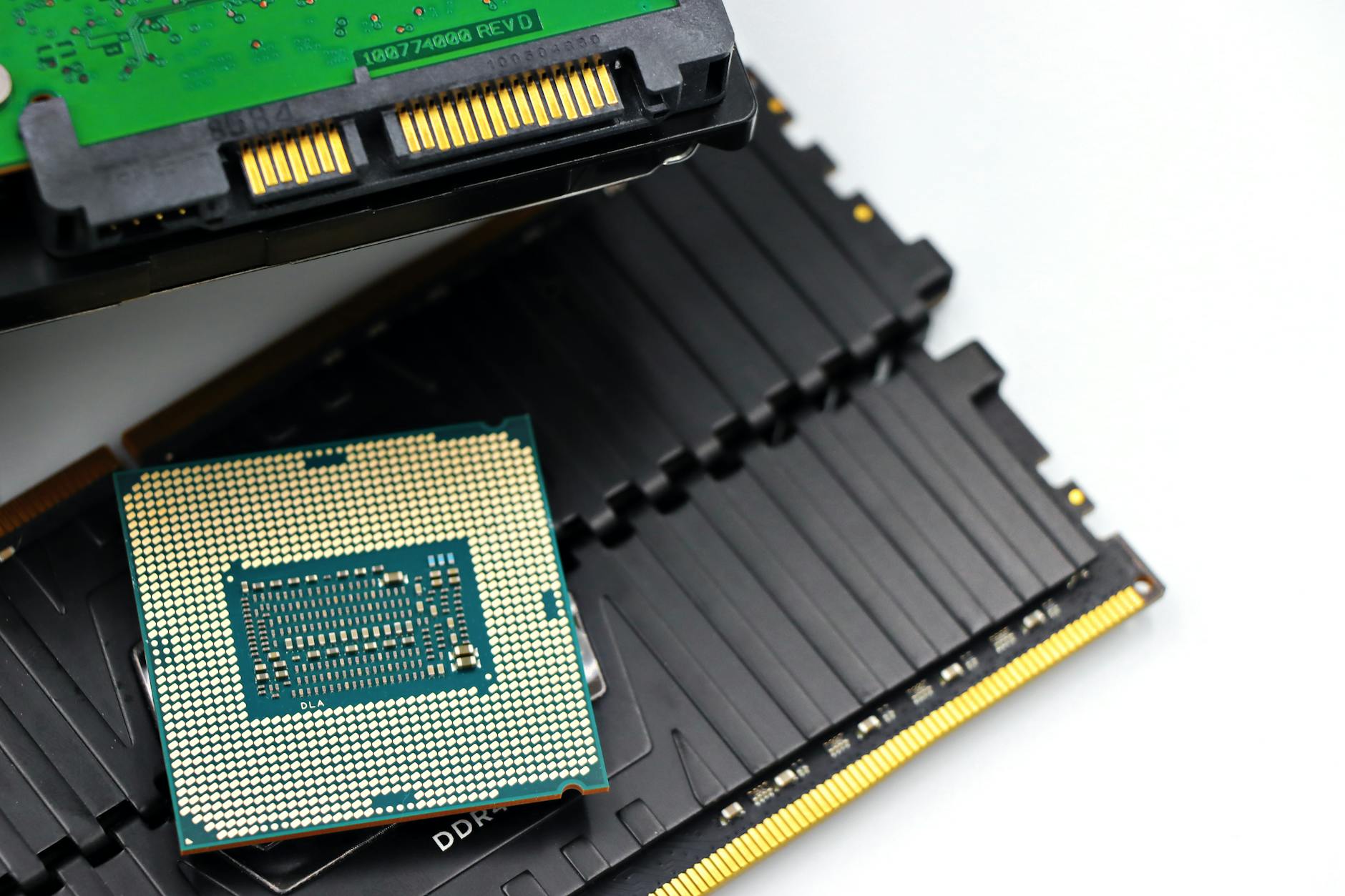
Bahal's were direct and unhedged, signaling a potential crisis without mincing words. He pointed out that while consumers might not immediately notice the pricing issues, the long-term effects would be substantial. The shift in memory demand, driven by AI, was already beginning to manifest, with prices for 1 TB SSDs jumping from around $80 to over $100—a trend that showed no signs of slowing down.

Micron's enthusiasm for AI's role in making memory a central component of computational systems was evident. Bahal described memory as moving from being an 'afterthought' to becoming a core element of AI-driven technologies. This shift, he argued, would have profound implications for the entire electronics market, from embedded systems to complex networks managing trade and security.
The rise in DRAM prices, which began to accelerate around nine months before Micron's warnings, was a clear indicator of the impending crisis. Despite this, the industry seemed to overlook the gravity of the situation, possibly due to the optimism surrounding AI advancements. However, as memory prices continued to climb, the reality of the supply-demand imbalance became undeniable.
Looking ahead, Micron's investment in HBM and other memory technologies suggests that the current trend will persist. The demand for high-performance memory, driven by AI applications, is likely to keep prices elevated, affecting not only consumer electronics but also enterprise and industrial sectors. This shift marks a significant change in the dynamics of the memory market, with potential long-term consequences for both manufacturers and consumers.