In the high-stakes world of gaming mergers, where billions hinge on strategy and timing, a new layer of complexity has emerged. The sale of Activision Blizzard to Microsoft for $95 per share—completed in early 2024—was not just about corporate transitions but also about the legal maneuvering that preceded it. A former executive at Activision is now alleging that a competitor, Embracer Group, colluded with a Swedish pension fund to file a lawsuit aimed at sabotaging the deal. The claim suggests that the lawsuit’s timing and market impact were no accident, raising questions about fairness in corporate battles.
The core of the dispute centers on whether Activision’s board acted in the best interest of shareholders or rushed a sale under pressure from scandals. The pension fund, AP7, argued that the $95 per share price was too low because it was negotiated during a period when Activision’s reputation was under siege. But the former CEO, Robert Kotick, counters that Microsoft’s offer was actually a 45% premium over the stock price at the time and that Activision’s performance post-2022 fell short of long-term targets, making the sale a strategic exit rather than a fire sale.
Where this story takes a dramatic turn is in Kotick’s accusation that Embracer Group—Activision’s direct competitor—had a vested interest in the lawsuit. He points to a series of coincidences: the lawsuit was filed just days before Embracer was set to announce disappointing financial results and delays for its highly anticipated game, Dead Island 2. The pension fund’s board member, Emma Ihre, had ties to Embracer at the time, and the company’s stock price spiked by 15% immediately after the lawsuit was made public—the largest one-day increase in 2022. Kotick suggests that bad press for Activision would have benefited Embracer’s own PR efforts, particularly a new team it had just launched in California to counter negative narratives.

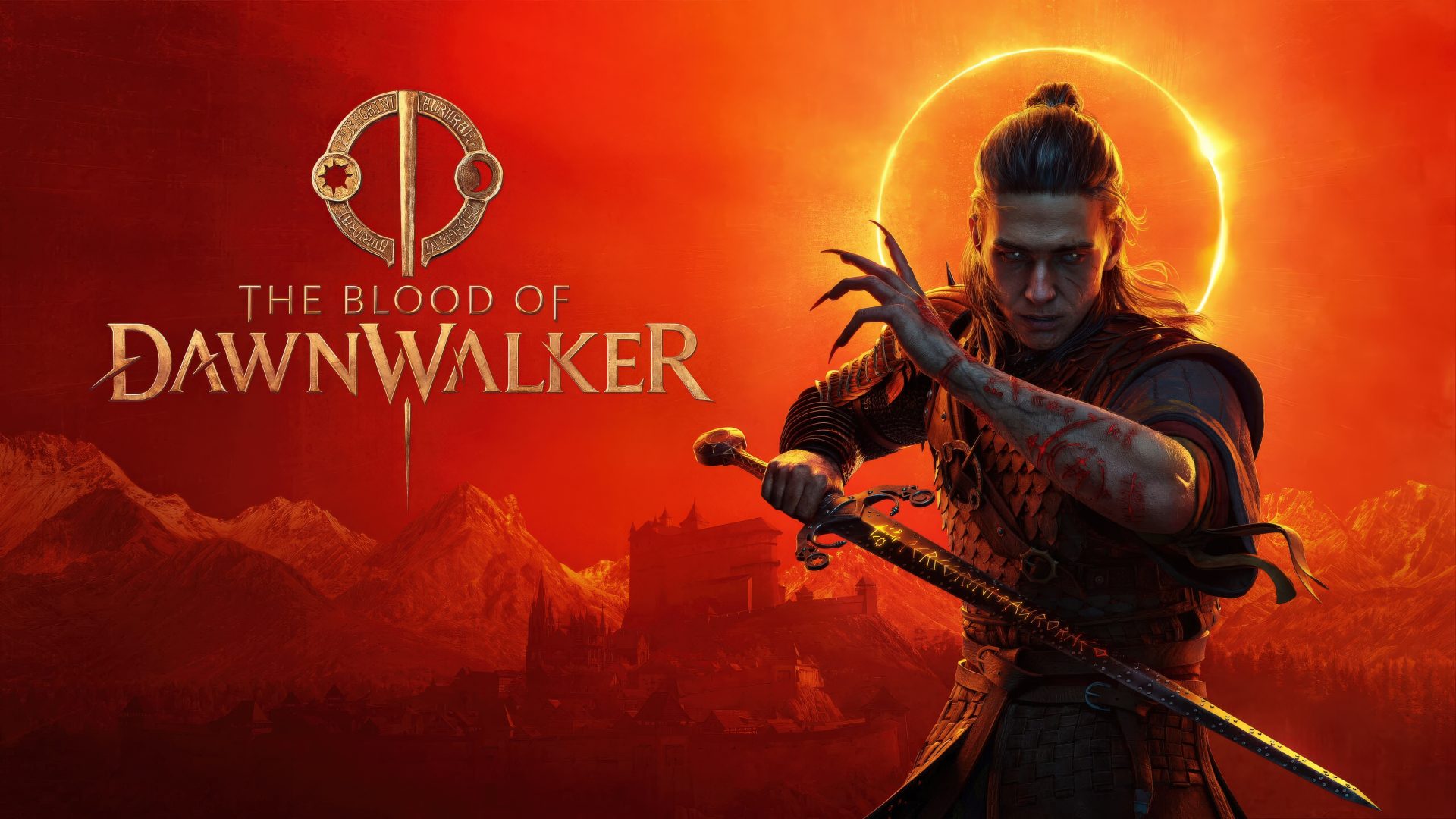
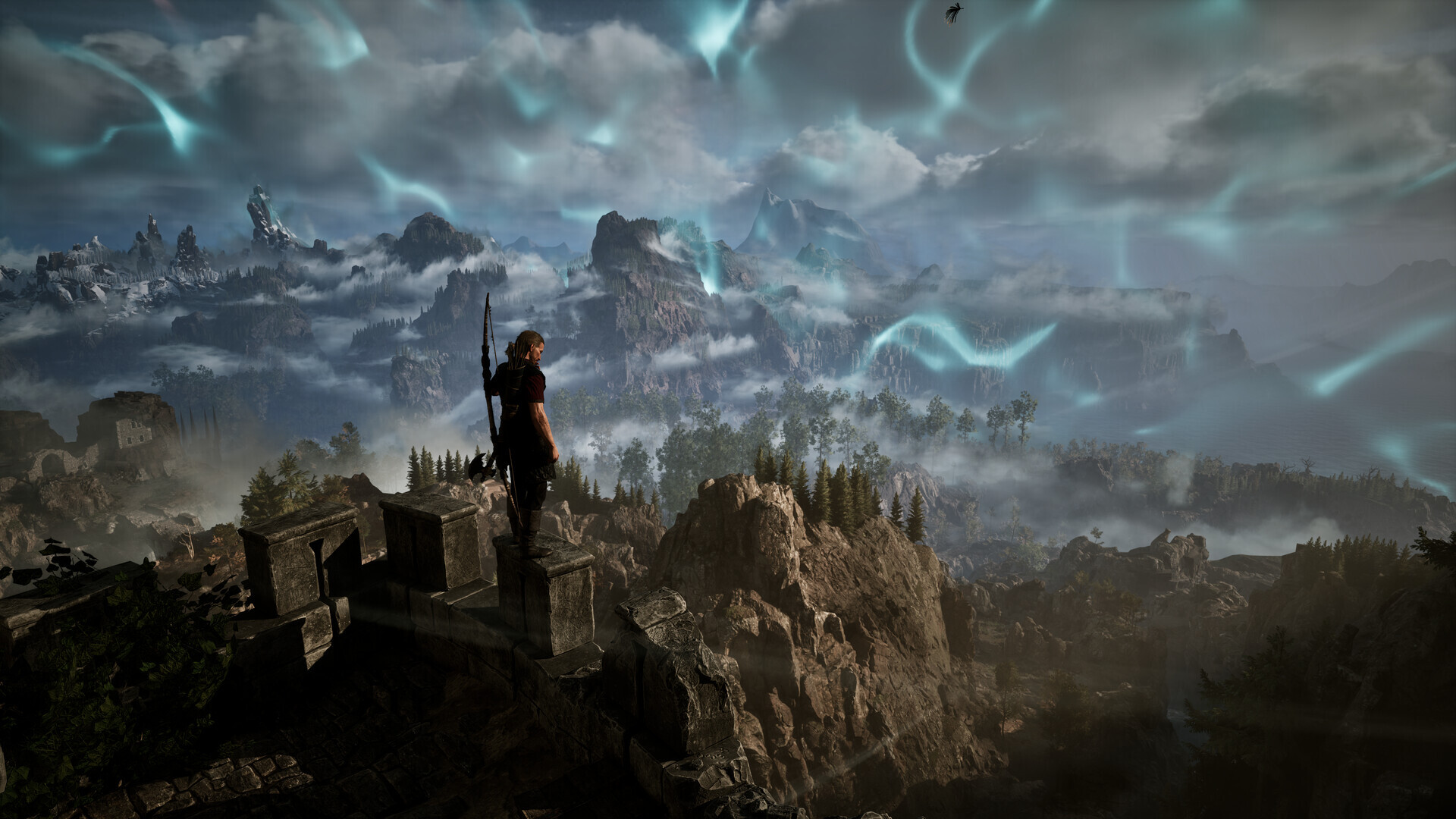
The allegations extend beyond market timing. Kotick claims that the lawsuit also disrupted Activision’s development pipeline, leading to delays or cancellations of games like Odyssey, Overwatch 2 Hero Mode, and Call of Duty Warzone Mobile. Meanwhile, Embracer released titles like Dead Island 2, Call of Duty Zombies, Remnant 2, and Diablo IV—games that competed directly with Activision’s portfolio. The implication is that the lawsuit was not just about financial gain but also about weakening a rival in the market.
Embracer Group has denied any coordination with AP7, stating there was no agenda or instructions from its side. Yet the timing and overlap of events—from stock movements to game releases—leave room for speculation. For investors, this raises broader questions about how corporate strategies intersect with legal battles in an industry where market share is as critical as innovation.
For those navigating these waters, the key takeaway is that mergers and acquisitions are no longer just financial transactions; they’re part of a larger ecosystem where competitors, legal challenges, and market dynamics collide. Whether Kotick’s claims hold up in court remains to be seen, but one thing is clear: the gaming industry’s power plays are becoming more complex—and more consequential—than ever.