Highguard’s rapid shutdown was not just a narrative of player numbers but a collision between technical ambition and industry realities. The game had been designed around a hybrid Capture the Flag framework combined with tactical shooter mechanics, aiming to carve out space in an already congested multiplayer ecosystem. However, live-service development demands more than innovation—it requires immediate player traction to justify the heavy upfront investment in servers, team scaling, and content pipelines.
Wildlight Entertainment had expanded its workforce to over 100 employees, betting on a high-stakes gamble: that Highguard’s unique mechanics would attract a critical mass of players quickly enough to sustain the live-service model. But the model itself is unforgiving. Unlike traditional game development, where titles can evolve based on player feedback and organic growth, live-service projects are judged within weeks. If a game fails to hit predefined player benchmarks—often in the hundreds of thousands—funding is cut off abruptly, leaving developers with little room for recovery.
Highguard’s peak player counts—around 400 concurrent on Steam and approximately 800 on PlayStation 5—were insufficient to meet these thresholds. While these numbers represented a dedicated niche audience, they were not enough to justify the costs of maintaining live servers, ongoing content updates, or the scaled development team. The game’s backer, Tencent, which had invested significantly, saw no viable path to profitability and opted for an immediate shutdown rather than continued investment.
Technical and Strategic Misalignments
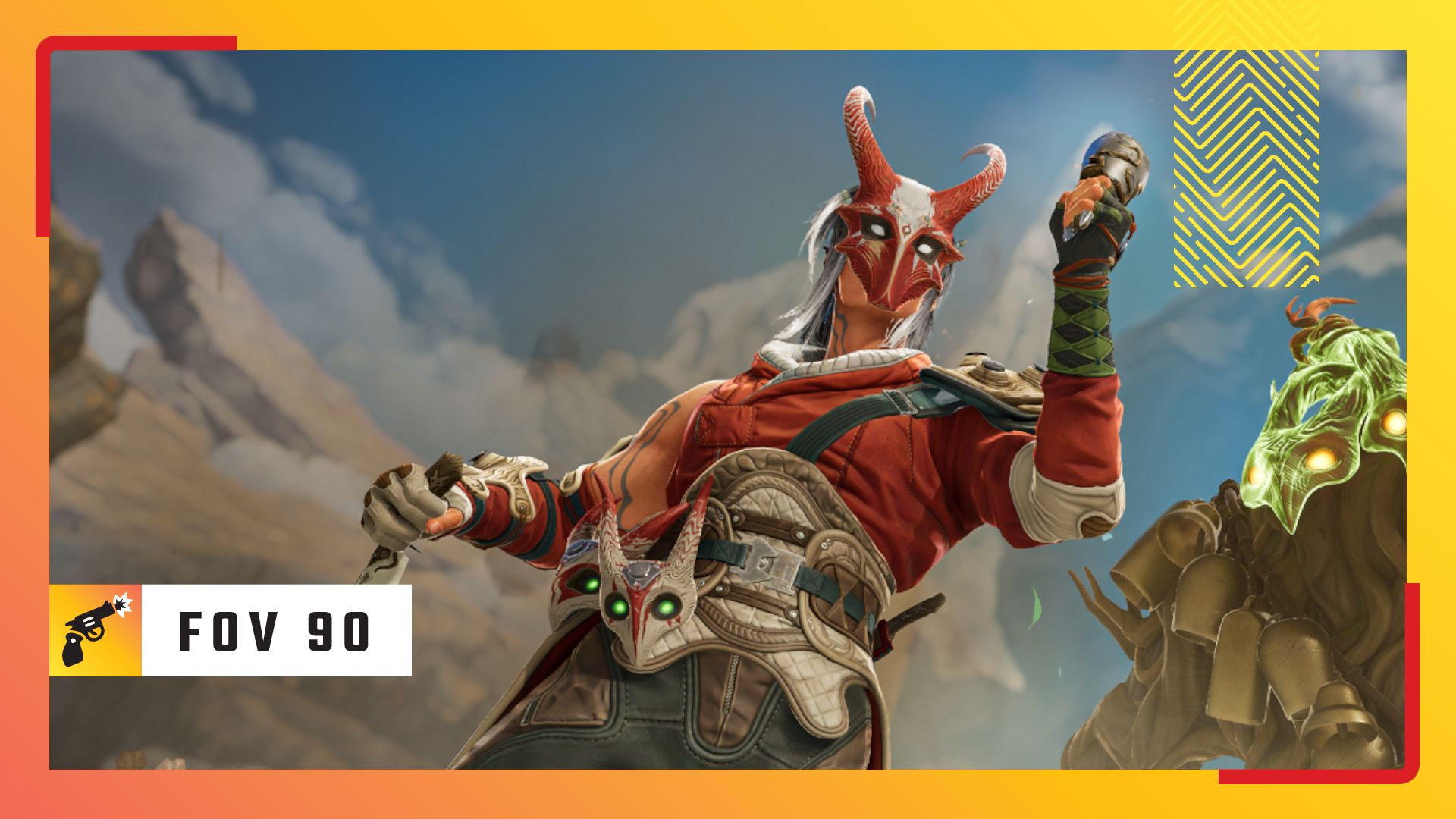
The game’s mechanics were innovative but inherently limited in broad appeal. Highguard blended tactical shooter elements with team-based strategy, appealing to fans of both genres. However, the rise of battle royale and competitive multiplayer games has conditioned players to expect instant gratification, while also creating an environment where studios prioritize proven concepts over innovation. This mismatch between creative ambition and market expectations was a fatal flaw for Highguard.
Industry-Wide Implications
The implications for developers are severe. Scaling teams rapidly while maintaining creative control is a high-risk strategy, especially when the business model depends on external validation. Wildlight’s approach—hiring aggressively with aggressive terms—reflects an industry-wide push to compete with established studios, but it also leaves little margin for error. The pressure to deliver overnight success can stifle long-term vision, as seen in Highguard’s case.
For players, the shutdown of games like Highguard underscores the precarious nature of live-service gaming. Unlike single-player experiences or traditional multiplayer titles with offline modes, live-service games are often dependent on constant updates, server support, and community engagement to remain viable. The lack of third-party server solutions or offline functionality in many modern multiplayer games further entrenches this dependency, making it nearly impossible for niche or unpopular titles to survive without corporate backing.
Lessons and Looking Ahead
Highguard’s story is a cautionary tale about the costs of unpopularity in an industry that increasingly values financial metrics over creative ambition. It serves as a reminder that live-service gaming is not just about player numbers but also about balancing innovation with market expectations. For studios, this means rethinking how they approach risk, while players must accept that the games they love may vanish almost as quickly as they emerge. The lesson is clear: in the live-service era, technical excellence and creative ambition are necessary but not sufficient. They must be paired with a ruthless understanding of market dynamics to survive.