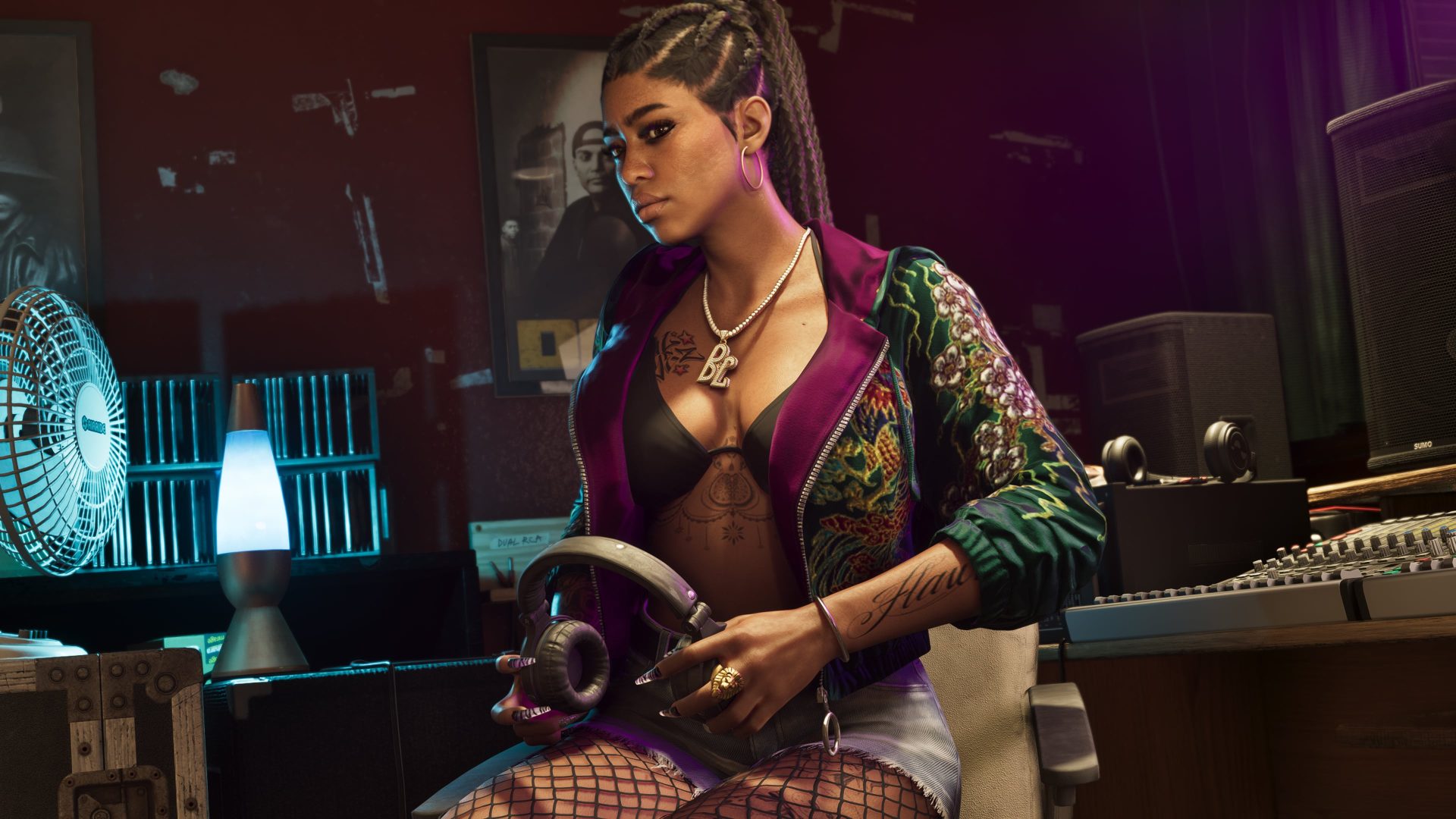
Open-world exploration feels different now. The paths players take aren’t just about terrain or objectives—they’re guided by what’s trending online.
Influencers have become de facto game designers, their preferences steering development cycles and influencing player expectations. This isn’t a new trend, but it’s accelerating, with major titles now adjusting mechanics, storytelling, and even difficulty curves to align with influencer feedback—sometimes before official releases. The question is no longer whether influencers shape games, but how deeply they’ll reshape the industry’s approach to design.
Why It Matters for Game Makers
The shift is strategic. Studios that ignore influencer trends risk falling behind in player engagement, while those that adapt too closely may alienate players who prefer traditional design philosophies. The balance is delicate: catering to influencers without losing the core audience.
- Player Agency vs. Influencer Guidance: Classic open-world games like Fallout prioritized player freedom, letting them define their own journeys. Today, that freedom is often framed by what influencers deem ‘fun’—whether it’s combat styles, dialogue choices, or even how loot is distributed.
- Early Access & Beta Shifts: Games now launch with more frequent updates, not just to fix bugs but to adjust mechanics based on influencer playthroughs. This can lead to a ‘moving target’ experience for players who prefer stability.
Who Benefits—and Who Gets Left Behind?
For casual players and newcomers, the influencer-driven shift means games feel more polished and accessible from day one. Tutorials are streamlined, difficulty curves are gentler, and features are highlighted in ways that align with viral playstyles. But power users—those who enjoy deep exploration or emergent gameplay—may find their preferred paths sidelined for broader appeal.
Consider a recent open-world RPG where influencer feedback led to the removal of certain side quests deemed ‘too niche.’ The change was framed as ‘improving pacing,’ but it also narrowed the game’s depth. Players who rely on forums or word-of-mouth for discovery might not even notice the shift until they’re already invested.
The Long-Term Roadmap
The industry is still figuring out how to navigate this new landscape. Some studios are experimenting with ‘influencer-only’ beta tests, where select creators get early access to shape content before it reaches the public. Others are doubling down on narrative-driven design, hoping to create experiences that don’t rely as heavily on influencer trends.
For now, the trend is clear: influencers aren’t just reviewers or marketers—they’re active participants in game development. Whether this leads to more innovative designs or more homogenized experiences remains an open question. One thing is certain: the days of design being purely top-down are over.