Flexible displays have long been a promise of the future, yet their real-world adoption remains limited. Apple’s rumored iPad Fold—expected to feature a foldable screen—hints at a new direction for tablets, one that blends the convenience of a smartphone with the power of an iPad. But beneath the sleek exterior lies a series of technical compromises that could shape its performance, durability, and ultimately, whether it becomes a daily tool or a curiosity.
The primary challenge is the balance between flexibility and functionality. A foldable screen introduces stress points where the display bends, potentially affecting longevity and responsiveness. While Apple’s track record suggests robust build quality, the added complexity of a hinged mechanism could introduce new failure modes—something users rarely encounter in traditional tablets.
Performance will also be influenced by thermal management. Foldable designs often require more sophisticated cooling systems to prevent overheating during prolonged use, which may push battery life or processing power into uncharted tradeoffs. For a device intended for productivity tasks like note-taking or multitasking, even minor lag could become a noticeable drawback.
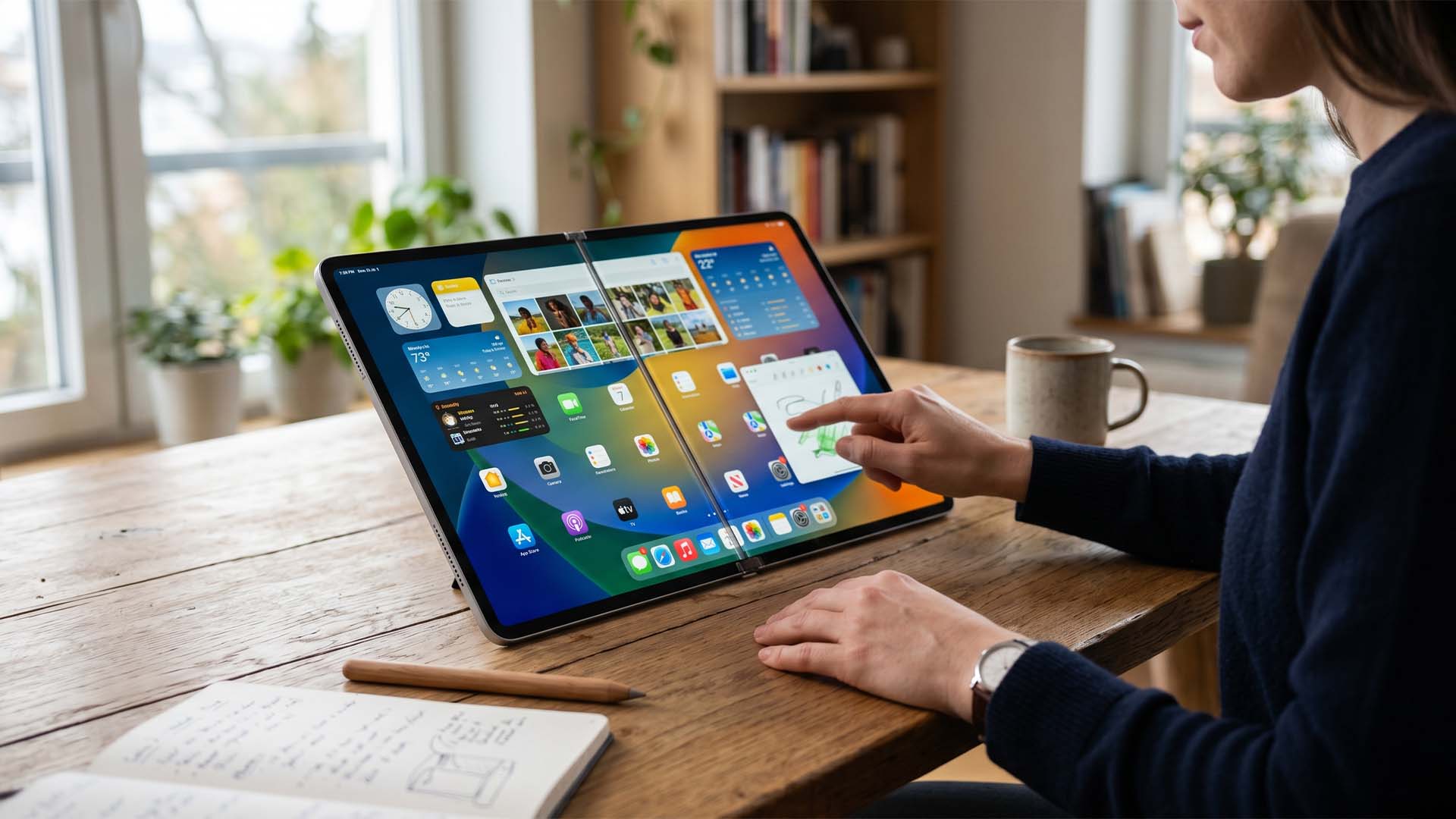
On the surface, the iPad Fold’s appeal lies in its potential to redefine portability. A compact folded form factor could make it easier to carry than current iPads while maintaining the same computational muscle. However, this convenience comes at a cost: durability concerns and potential reliability issues that aren’t present in rigid devices. Users accustomed to Apple’s reputation for longevity might find themselves questioning whether the novelty outweighs the practical benefits.
Another consideration is workflow impact. While the foldable form factor could enable unique use cases—such as a split-screen layout that adapts to the hinge angle—the execution will be critical. A seamless transition between folded and unfolded modes, without glitches or input lag, would set a new standard for tablet ergonomics. If Apple can execute this flawlessly, it could redefine how users interact with tablets. But if tradeoffs in software optimization or hardware stability emerge, the iPad Fold may struggle to justify its premium positioning.
Ultimately, the iPad Fold’s success hinges on whether Apple can overcome these engineering challenges without sacrificing the reliability and performance that define its ecosystem. For everyday users, the decision will come down to whether the foldable innovation is a meaningful upgrade or merely an incremental step with hidden compromises. If it delivers on both form and function, it could mark a turning point for tablets. Otherwise, it may remain a fleeting experiment in flexibility.