January 2008 marked a turning point for Ensemble Studios. The team behind *Age of Empires* and *Halo Wars* was deep into a classified project: a **Halo MMO** designed to blend the franchise’s signature vehicular combat with persistent online worlds. By then, the studio had spent nearly five years refining the concept, but behind closed doors, cracks were already forming.
The project’s core challenge was balancing **Halo’s action-first gameplay** with MMO conventions. Most online worlds relied on cooldown mechanics and resource management—systems that clashed with the franchise’s real-time, explosive combat. Early prototypes showed promise: players could engage in large-scale vehicle battles alongside traditional MMO dungeons, all within a sprawling, open universe. Yet, as Rob Fermier, a lead developer, later explained, translating *Halo’s* precision gunplay into a shared online space required radical adjustments.
Ensemble’s flexibility came from its setting: the MMO was built in a **non-canon Halo region**, allowing creative freedom without direct oversight from Bungie. Fermier described the vision as a hybrid—part *World of Warcraft*-style progression, part *Halo Wars* tactical depth. We had sequences where vehicular combat met cooldown-based MMO gameplay, he said. It was all in one open world, and that’s something no one had really nailed yet.
The business case was always shaky. By 2008, Microsoft—now the owner of Ensemble—was pulling back from high-risk ventures. The *Halo Wars* team had just shipped its last game, and the broader RTS market was collapsing. Meanwhile, the MMO genre was undergoing its own reckoning, with publishers hesitant to invest in unproven concepts. Fermier estimated the project would have required **hundreds of millions in development costs**, a figure Microsoft was unwilling to commit.
June 2009 brought the final blow. Ensemble Studios closed its doors, leaving the Halo MMO—codenamed **Titan**—buried in unfinished assets. The shutdown wasn’t just a loss for the game; it marked the end of one of gaming’s most innovative studios. Fermier, who had spent a decade shaping real-time strategy titles, pivoted to indie development, eventually co-founding C Prompt Games. His first self-published title, *Heretic Operative*, was a far cry from the cancelled MMO—a digital board game with tense resource management. Yet, it became the only project in his career where he directly profited from player engagement.
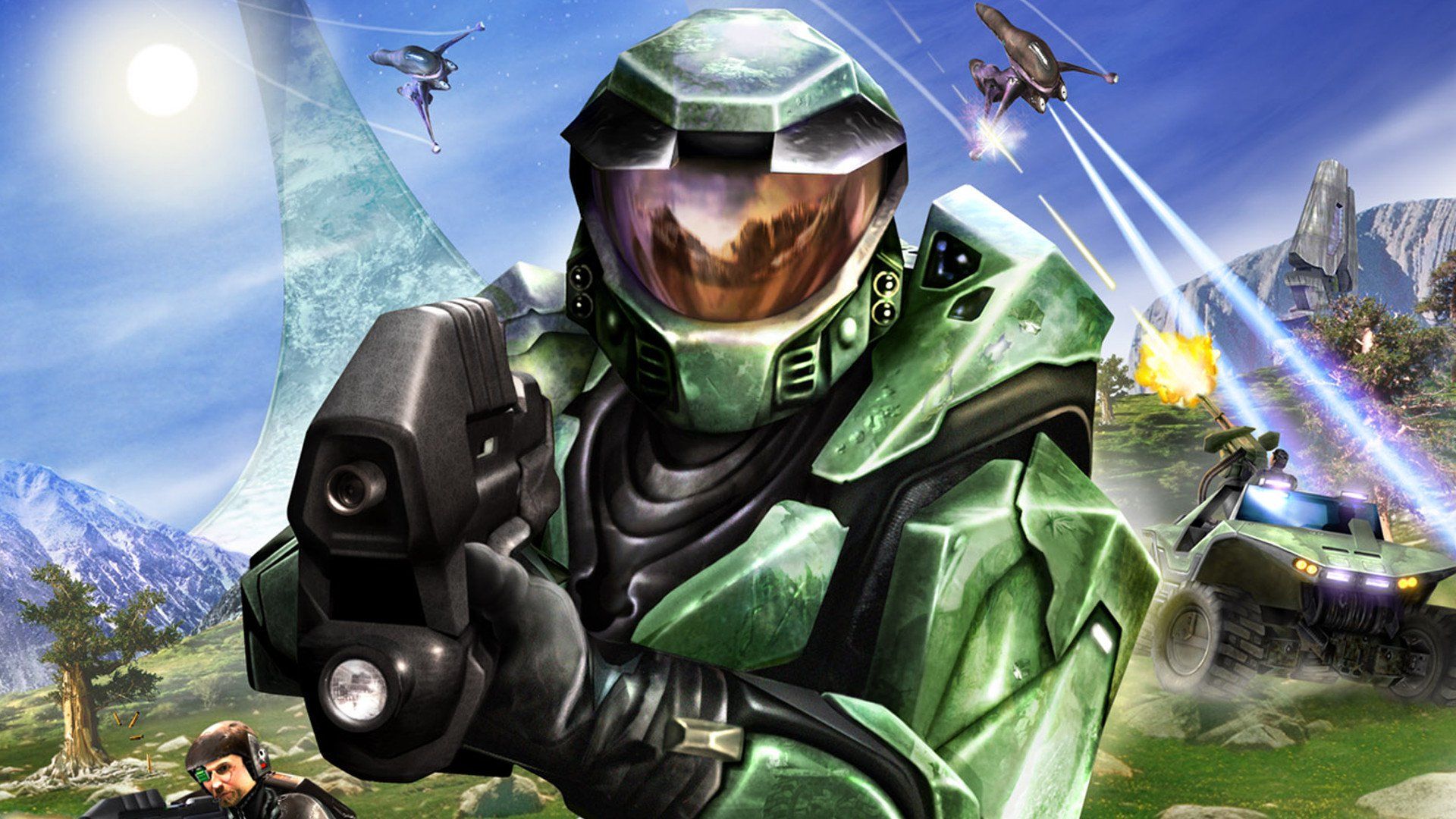
Could Microsoft revive it now? The question lingers over a decade later. Today, Microsoft Games operates under a different strategy: **acquisitions over innovation**. Blizzard’s *World of Warcraft* team remains intact, and the company has shown interest in persistent online worlds—most notably with *Forza Horizon 5’s* live-service expansion. But a full-scale Halo MMO would demand not just capital, but **cultural alignment** across Xbox Game Studios. Fermier remains skeptical. Microsoft is risk-averse, he noted. They’d need to rally internal support—something that didn’t happen in 2008.
A shared fate with Titan adds to the irony. The same name—**Titan**—was later attached to Blizzard’s cancelled second MMO, a project that also fell victim to shifting priorities. For Fermier, the parallels are telling. MMOs are the most risky genre out there, he said. But if anyone could pull it off, it would be Microsoft—if they’re willing to learn from Blizzard’s playbook.
For now, the Halo MMO remains a footnote in gaming history—a **what-if** that could have altered the trajectory of both the franchise and online gaming. With Microsoft’s current push into live-service titles, the window for revival might finally be open. But without a radical shift in strategy, the lost Halo world may stay buried—just another relic of a studio that dared to dream too big.
- Prototype Promise: The Halo MMO blended vehicular combat with MMO dungeons in an open world—unlike anything else at the time.
- Business Barriers: Microsoft’s reluctance to fund high-risk projects doomed the effort, despite Ensemble’s track record.
- Legacy of Titan: The project’s codename mirrored Blizzard’s cancelled *Titan*, reinforcing the genre’s fragility.
- Modern Potential: Microsoft’s live-service focus could make revival possible—but cultural and financial hurdles remain.