In what has become a recurring theme in the world of high-end PC components, a buyer recently made a purchase that defied all odds. The transaction began with an intention to upgrade a system with a single 32GB DDR5 RAM kit, priced at $300. What followed, however, was nothing short of a windfall—ten kits arrived in the mail, each one identical to the original order.
This isn't the first time such an incident has occurred, but it serves as a stark reminder of the unpredictable nature of supply chains and inventory management, especially in the competitive market for performance PC parts. The buyer, who had no reason to suspect anything amiss, found themselves with 320GB of DDR5 memory instead of the expected 32GB—a value that skyrockets when considering the current market prices.
While the exact details of how this situation arose remain unclear, industry observers note that such incidents often stem from miscommunication between manufacturers and retailers. Whether it's a glitch in order processing or a mix-up during fulfillment, the result is the same: an unexpected surplus that leaves buyers with more than they bargained for.
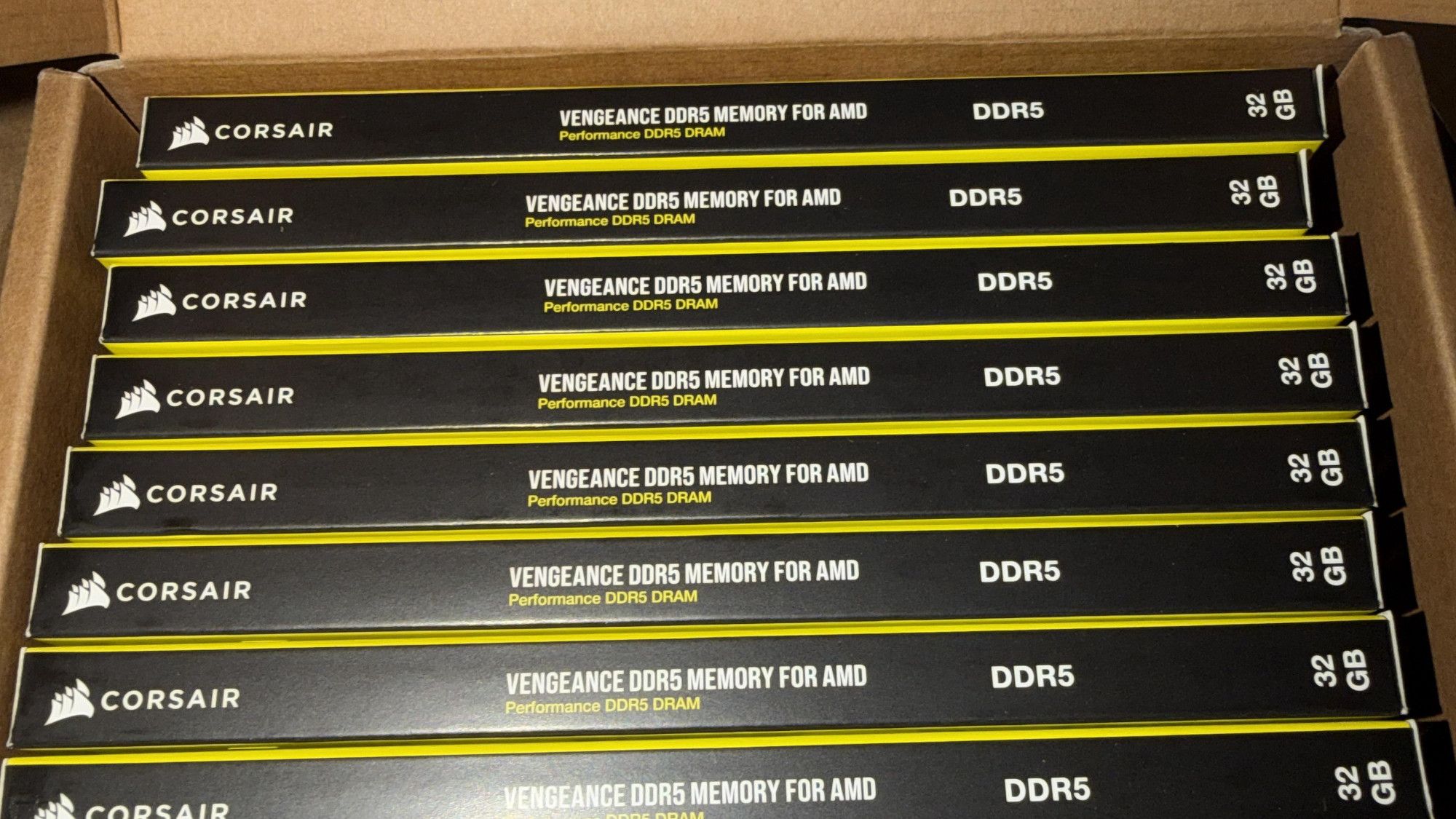
- Original order: 1x 32GB DDR5 kit ($300)
- Received: 10x 32GB DDR5 kits (effectively $3,000)
- Total memory received: 320GB
The ramifications of such an event extend beyond the immediate joy of a rare bargain. For the buyer, it raises questions about system compatibility and storage solutions, as 320GB of DDR5 RAM is far more than most systems are designed to handle. Yet, for those with the means and the need, this could represent an unprecedented opportunity to future-proof a build without breaking the bank.
As the market continues to evolve, stories like these serve as both a testament to the quirks of modern commerce and a reminder that even in the digital age, the old adage 'you never know what you'll get' still holds true. Whether this is an isolated incident or part of a larger trend remains to be seen, but one thing is certain: the RAM lottery isn't showing signs of slowing down.