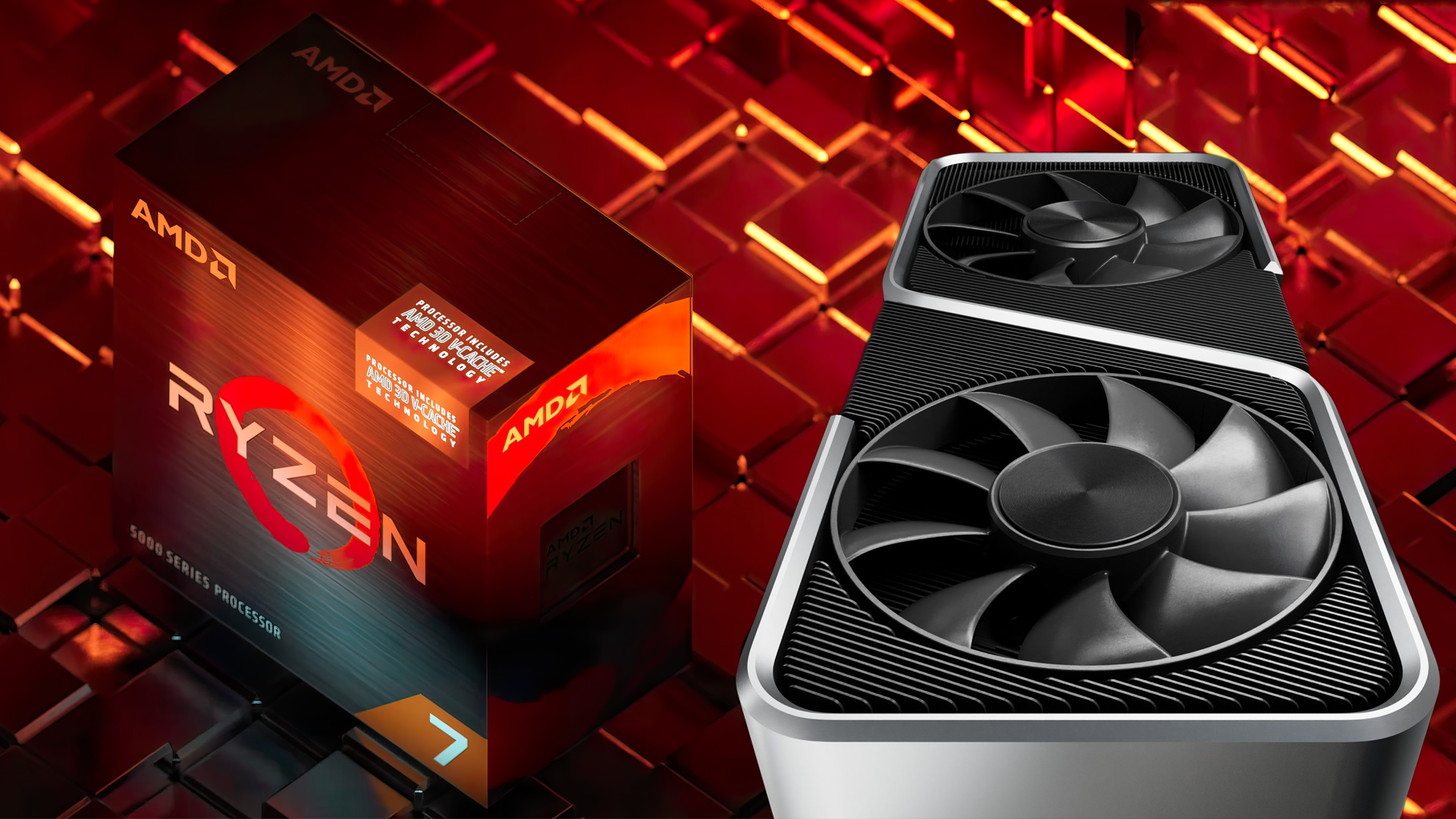
The RTX 5070 Ti is being quietly retired from production, marking one of the first casualties of the ongoing memory crisis gripping the GPU market. Sources indicate that Nvidia's decision to end production stems from the prohibitive costs of GDDR7 memory, which has surged due to AI-driven demand. This leaves the RTX 5080 as the sole remaining high-end option from Nvidia, with its price point ballooning well above the original MSRP.
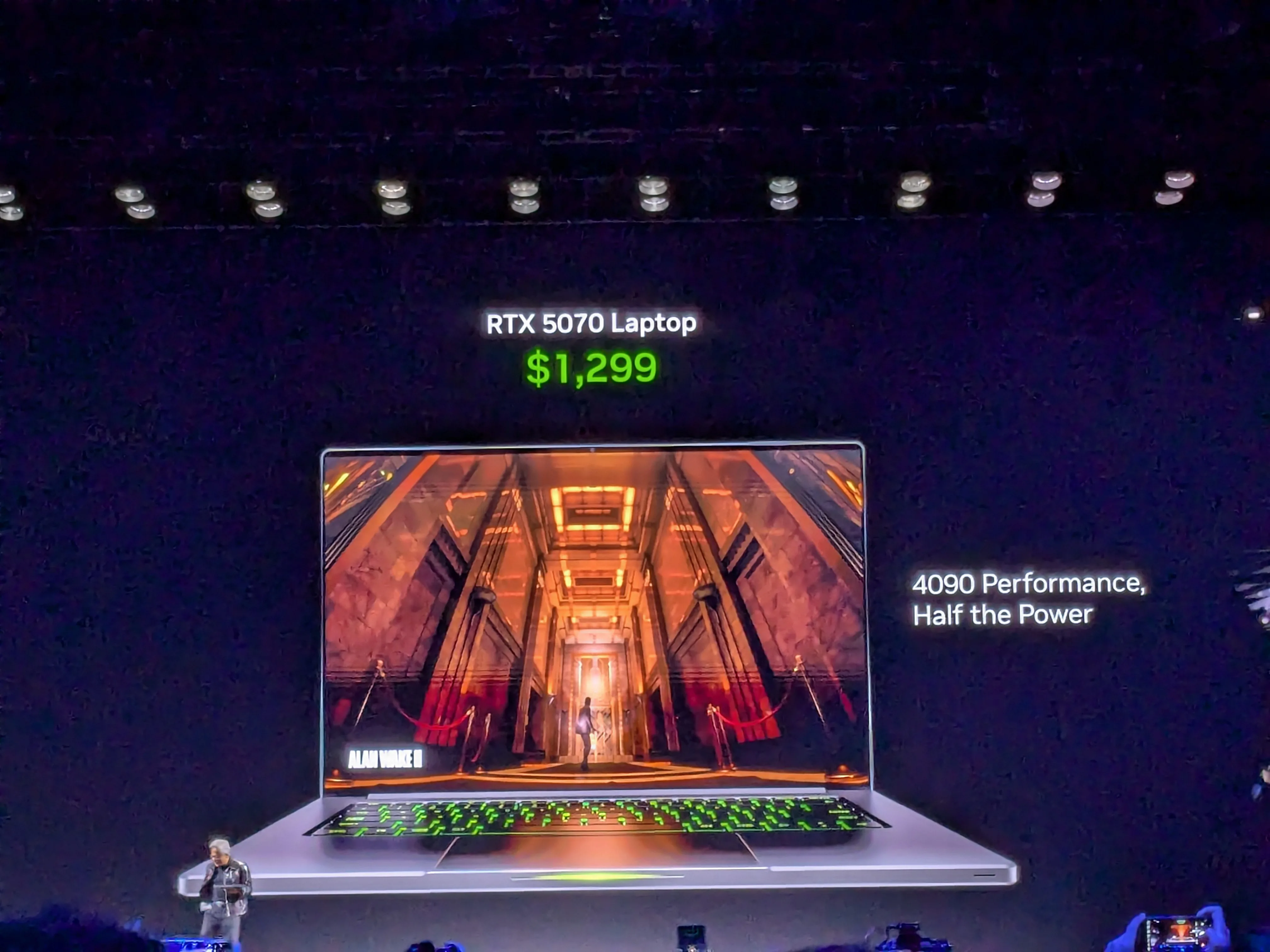
For gamers, this shift means the mid-range GPU market is becoming increasingly sparse. The RTX 5070 Ti, which offered strong performance for around $800, is now effectively off the table. Its replacement, the RTX 5060 Ti (16GB), is also expected to be discontinued, leaving only the 12GB RTX 5070 as a viable mid-range option at $540—a price that still feels steep for what it delivers.
AMD's RX 9070 XT, on the other hand, remains in production and is positioned to fill this void. While its official MSRP was set at $599, current retail prices hover around $700, reflecting the same market pressures that have pushed Nvidia toward higher-margin products. The RX 9060 XT (16GB) also appears unaffected by supply constraints, maintaining steady availability.
This shift underscores a broader trend where memory costs are reshaping GPU production strategies. Retailers and manufacturers are prioritizing products with the highest profit margins, often at the expense of mid-range options that once balanced performance and affordability. For consumers, this means fewer choices and higher prices for what remains on the market.
The RTX 5070 Ti's exit also highlights the challenges faced by Nvidia in maintaining a diverse product lineup amid rising costs. The decision to phase out the card reflects a strategic pivot toward higher-end GPUs like the RTX 5080, which, despite its premium price, remains the only viable option for those seeking top-tier performance.
For AMD, the situation presents both an opportunity and a challenge. While demand for RDNA 4 cards may surge if Nvidia's mid-range options dwindle, the company must also ensure it can meet that demand without causing shortages or further price inflation. If it succeeds, gamers could find themselves with a stronger alternative to Nvidia's offerings—one that doesn't come with the same level of hype but delivers solid performance at a competitive price point.
As for when we might see more concrete updates on this situation, industry insiders suggest that production decisions are fluid and can change rapidly. What's clear is that the memory crisis has already begun to reshape the GPU landscape, leaving consumers with fewer options and higher prices—at least in the short term.
- RTX 5070 Ti (16GB GDDR7)
- 128-bit memory bus
- $800 (retail price, if available)
- RTX 5080 (same GB203 GPU, $1,200+)
- RTX 5060 Ti (16GB GDDR7, likely EoL)
- RTX 5070 (12GB GDDR7, $540)
- RX 9070 XT (16GB GDDR6, $700)
- RX 9070 (16GB GDDR6, MSRP $599, retail ~$700)
- RX 9060 XT (16GB GDDR6, stock available)
The RTX 5070 Ti's death knell is less about performance and more about economics. It shares the same GB203 die as the RTX 5080 but without the premium pricing. With memory costs skyrocketing, retailers and manufacturers have no incentive to prioritize a card that can't compete with its more expensive sibling. The 16GB GDDR7 configuration is a luxury neither side can afford right now.
AMD's RDNA 4 lineup avoids this trap by sticking with GDDR6, which has proven more resilient in the current market. While the RX 9070 XT commands a premium over its MSRP, it remains a compelling value proposition—especially if Nvidia's mid-range options vanish entirely. The real question isn't whether AMD can fill the void; it's whether it can do so without triggering another round of price hikes.
For now, gamers eyeing 16GB GPUs have two clear paths: the RTX 5070 (if they can stomach its $540 price tag) or the RX 9070 XT. The latter offers better long-term scalability, but supply will dictate demand. If AMD's stock holds, it could become the default choice for those unwilling to settle for 8GB memory in 2025.
Availability remains uncertain, but Nvidia's silence on the RTX 5070 Ti suggests its days are numbered. The only certainty is that this isn't the last time memory prices will dictate GPU lifecycles.