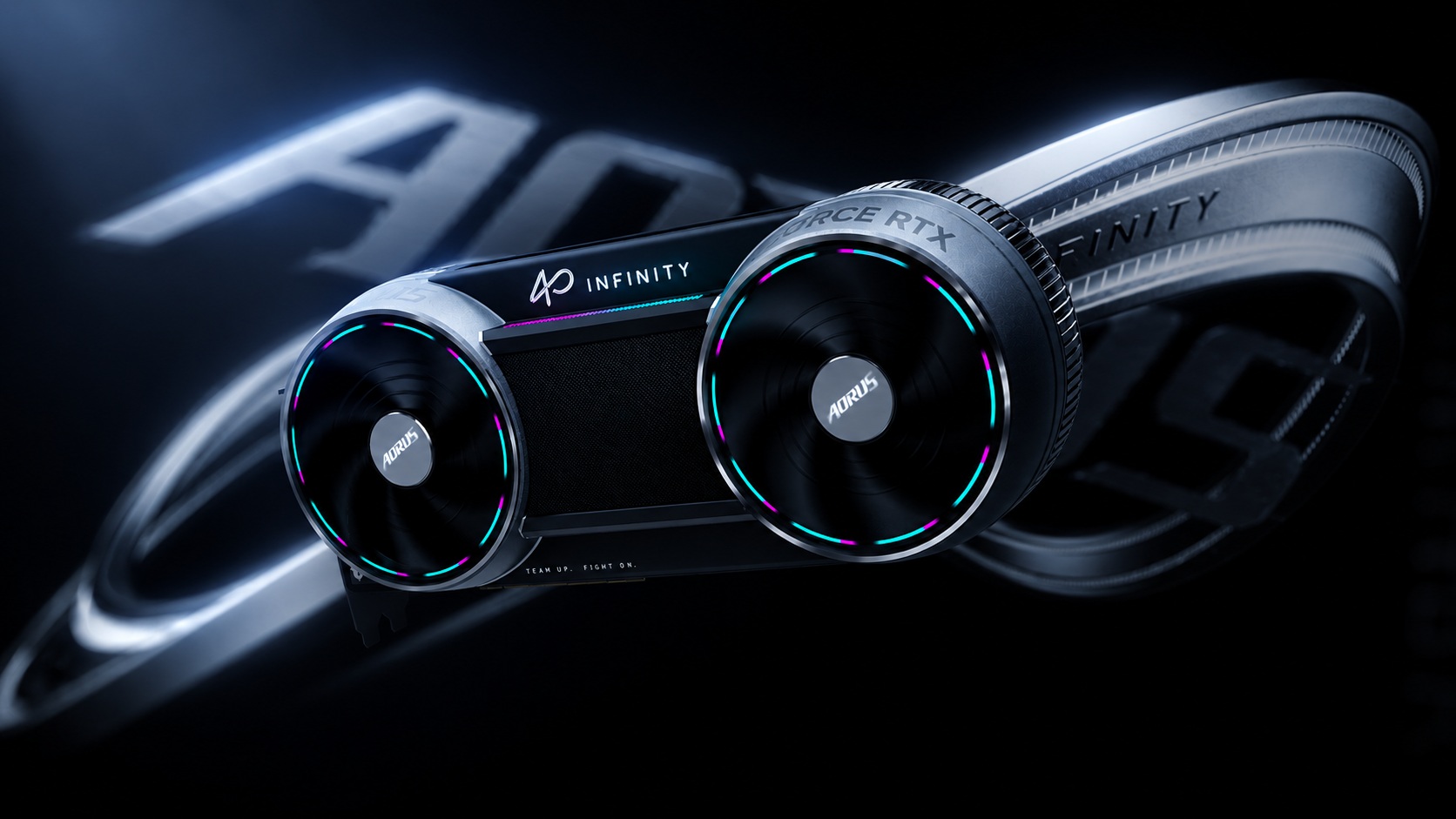
The RTX 5090 is coming in 2026, but its journey from concept to consumer remains uncertain.
Confirmed: a new GPU with 4K-ready performance and a $5,000 price point. Unconfirmed: whether supply will meet demand, how it fits into existing systems, and exactly when preorders open. For buyers, the stakes are high—this isn’t just another card; it’s a potential pivot in how power users approach hardware.
What Power Users Get
- Performance: 4K rendering with advanced AI features, targeting professional workloads and enthusiast gaming.
- Memory: Up to 24 GB GDDR7X, a step beyond current high-end models.
- Power Draw: Estimated at 500W, requiring robust PSUs and cooling solutions.
These specs matter for those pushing limits in rendering or AI training, but the real question is whether the price aligns with value. Earlier leaks suggested $5,000, a figure that hasn’t been officially denied. If it holds, buyers will face a tradeoff: cutting-edge capability versus budget stretch.

Key Advanced Details
- AI Integration: Dedicated hardware for real-time processing, likely leveraging NVIDIA’s latest architecture.
- Compatibility: Designed for PCIe 5.0 systems, meaning older motherboards may need upgrades.
- Software Support: Full backward compatibility with existing NVIDIA drivers and tools.
The AI focus is a nod to current market trends, but power users will want clarity on whether this translates to tangible performance gains in their workflows. Compatibility is another hurdle—PCIe 5.0 adoption isn’t universal yet, so early adopters may face compatibility risks if they’re upgrading older setups.
Market Impact: What’s Next?
The RTX 5090 could redefine the high-end GPU landscape if supply stabilizes and pricing remains predictable. For now, buyers should brace for potential shortages, given the surge in demand from AI workloads. The bigger question is whether this card will simply be a more powerful version of what’s already on shelves—or if it introduces features that shift the industry forward.
One thing is clear: the RTX 5090 won’t be for everyone. Its target audience is narrow, and that’s by design. Whether it becomes a staple in power-user rigs depends on how smoothly its launch unfolds—and whether NVIDIA can deliver without repeating past supply missteps.