Ubisoft’s decision to cancel the *Prince of Persia: The Sands of Time* remake wasn’t just a missed opportunity—it was a symptom of deeper structural tensions within the industry. While the company has pivoted aggressively toward sprawling open-world titles, the remake represented a deliberate return to the precision platforming and narrative pacing that defined the original. Internal documents and developer accounts suggest the project was functionally complete, with only final polish and QA remaining. Yet the greenlight was revoked, not for technical failure, but for strategic misalignment.
The core issue lies in how Ubisoft’s leadership evaluates risk. A game that was nearly finished still required post-launch support—a growing expectation in an era where patches and live-service updates are non-negotiable. The financial and reputational stakes of releasing a polished but unoptimized title outweighed the alternatives, even if the alternative meant scrapping years of work. This calculus isn’t unique to Ubisoft, but the scale of the loss—both creative and financial—highlights a broader trend: publishers now treat legacy remakes as speculative ventures rather than guaranteed returns.
For administrators and technical leads, the cancellation serves as a cautionary tale about the fragility of long-term projects. The remake’s development team had already integrated a reimagined time mechanic that transformed the original’s rewind mechanic into a more interactive system. Instead of simply undoing actions, players would have briefly collaborated with past versions of themselves—triggering echoes of movement, lever pulls, or enemy distractions in a limited time window. This design choice required meticulous synchronization between animation, physics, and AI pathfinding, a complexity that may have contributed to the hesitation. If the project had shipped, it would have demanded a level of post-launch optimization rarely seen in mid-tier titles, further straining Ubisoft’s support infrastructure.
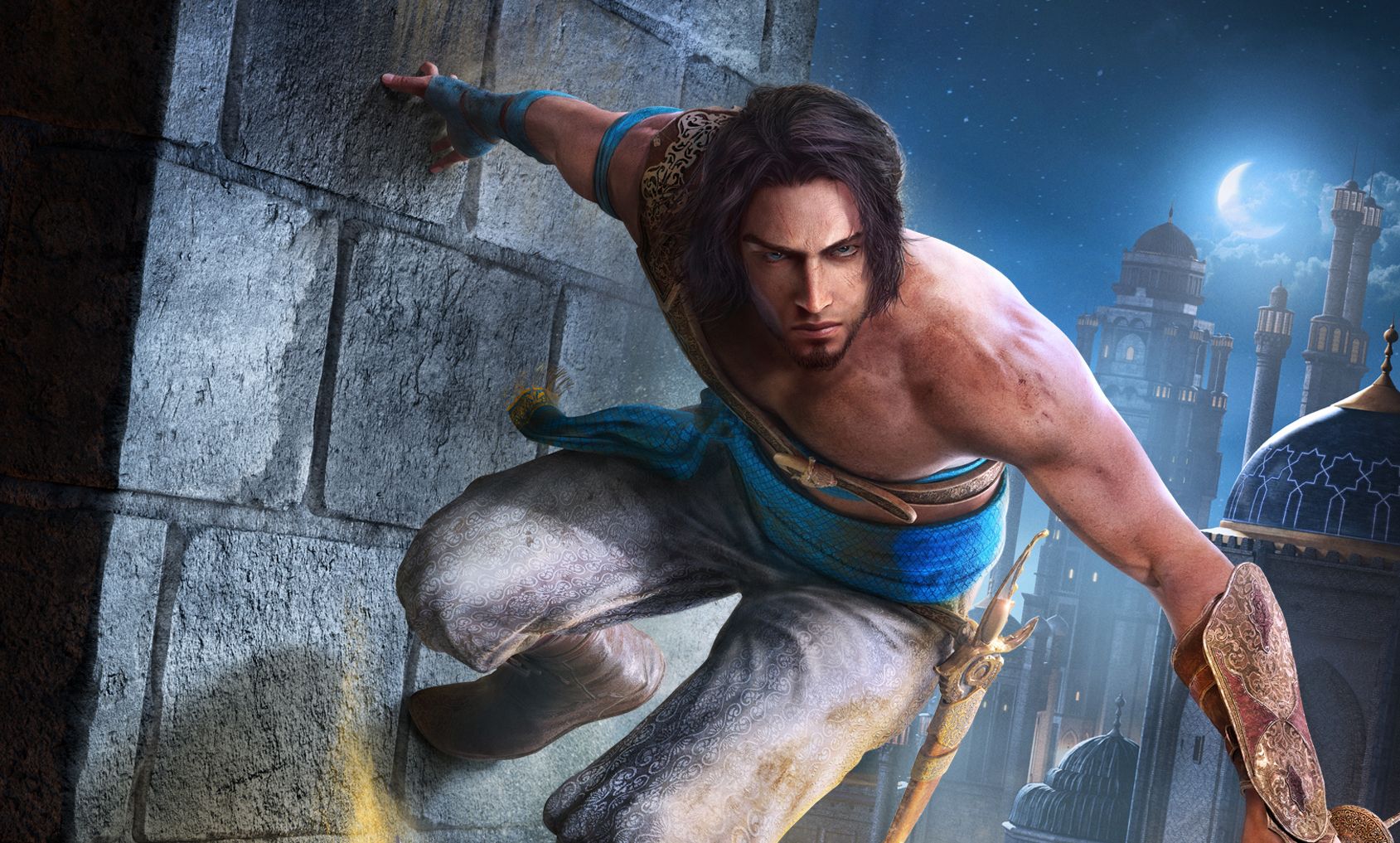
Developers familiar with the project describe a development environment where creative control was secondary to publisher-driven pivots. The emphasis on open-world development has left little room for tighter, linear experiences—even those with proven fanbases. *Sands of Time* was never designed to compete with *Assassin’s Creed* or *Far Cry* in scale, but its cancellation suggests a systemic devaluation of niche appeal in favor of blockbuster scalability. For studios, this raises a critical question: How much of a company’s identity can be sacrificed for short-term financial safety?
The technical debt of the canceled project extends beyond the codebase. Ubisoft’s internal tools and pipelines were likely tailored to the remake’s unique requirements, including custom time-reversal physics engines and animation blending systems. These assets, now abandoned, represent lost R&D investment that could have been repurposed for future projects. Meanwhile, the team’s expertise—hard-won over years of development—has been dispersed, leaving gaps in institutional knowledge that will take time to rebuild.
For players, the impact is immediate: a missed chance to experience a refined classic. But for the industry, the lesson is more profound. The *Sands of Time* remake wasn’t just another canceled game—it was a microcosm of how legacy IP and modern publishing models are increasingly at odds. As studios double down on open-world ambitions, the risk of creative stagnation grows. The question now is whether Ubisoft—or any publisher—will reconsider how they balance innovation with the preservation of what made their franchises special in the first place.