The Steel Legend 360 LCD is not your typical all-in-one liquid cooler. It stands out immediately with a 360mm radiator that combines traditional cooling efficiency with an unexpected twist: a built-in LED display. While the core function remains the same—dissipating heat from high-performance CPUs—the addition of this display shifts the product into a different category, one where form meets function in a way that could influence buying decisions for users who prioritize both performance and visual appeal.
At its heart, the Steel Legend 360 LCD is designed to handle the thermal demands of mainstream and high-end CPUs. It features a 240mm pump block paired with a 360mm radiator, providing a balance between airflow and cooling capacity. The radiator’s design is optimized for compatibility with most ATX cases, ensuring it fits seamlessly into existing builds without compromising on cooling performance. The cooler supports TDP ratings up to 250W, making it suitable for CPUs that push the limits of single-chip cooling solutions.
What sets this cooler apart is its LCD panel, embedded directly onto the radiator. This isn’t just a gimmick; it’s a functional element that can display system information such as CPU temperature, fan speed, and other customizable data. The panel operates independently, drawing power from the system to show real-time performance metrics without adding significant load. However, its practicality depends on user needs—while it offers immediate visual feedback for enthusiasts or those with open-air builds, its value diminishes in cases where the radiator is hidden behind panels or glass.
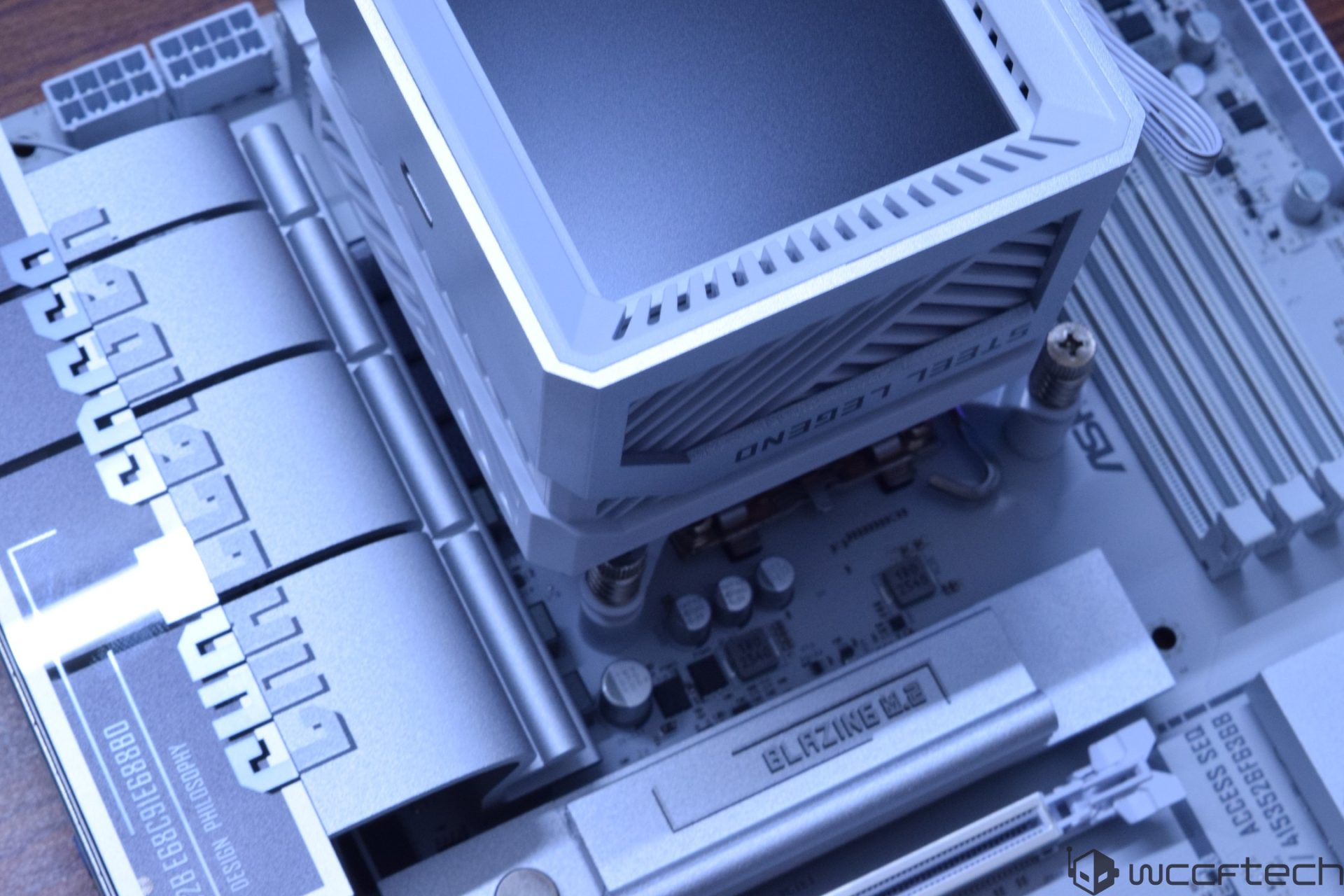
The implications of this design are twofold. For users who prioritize aesthetics and real-time monitoring, the Steel Legend 360 LCD could be a compelling choice, especially in builds where the cooler is a visible component. It eliminates the need for additional monitoring tools, integrating performance data directly into the cooling unit itself. On the other hand, those building for stealth or minimalism may find the display redundant, as it adds a layer of complexity that doesn’t translate to improved cooling efficiency.
Looking ahead, the success of this model will depend on how well it balances its unique features with practical constraints. The LCD panel introduces new considerations for power consumption and compatibility, particularly in builds where space is limited or airflow is tightly managed. While the cooler itself performs well in benchmarks, its long-term impact may be tied to software updates that expand its functionality beyond basic monitoring. For now, it stands as a notable entry in the AIO cooling market, one that blurs the line between performance and presentation.