The original The Witcher* RPG, released in 2007, was never meant to be a polished monument. It was a bold experiment—an adaptation of Andrzej Sapkowski’s beloved fantasy novels into a sprawling, often jagged video game. Nearly two decades later, the man who shaped its narrative has finally played through it in full, and the experience has left him with a mix of nostalgia and hard-earned perspective.
Artur Ganszyniec, who served as the game’s lead story designer, has just concluded a 26-episode YouTube series titled The Witcher with a Designer’s Commentary. Each episode, running between one and two hours, combines gameplay with reflections on design choices, behind-the-scenes anecdotes, and the raw, unfiltered reality of developing a game that would later become a cultural phenomenon. For Ganszyniec, it was his first full playthrough since the game’s release—an act of reckoning with a project that, in hindsight, was both ambitious and deeply flawed.
The series serves as more than just a walkthrough. It’s a time capsule of a studio in its infancy, where CD Projekt Red was still finding its footing. Ganszyniec discusses the trade-offs made during development—cut content, rushed mechanics, and creative compromises that would later be refined in The Witcher 2 and 3. He also shares moments of pride, like the game’s early experiments with player agency, which, despite their imperfections, laid the groundwork for what would follow.
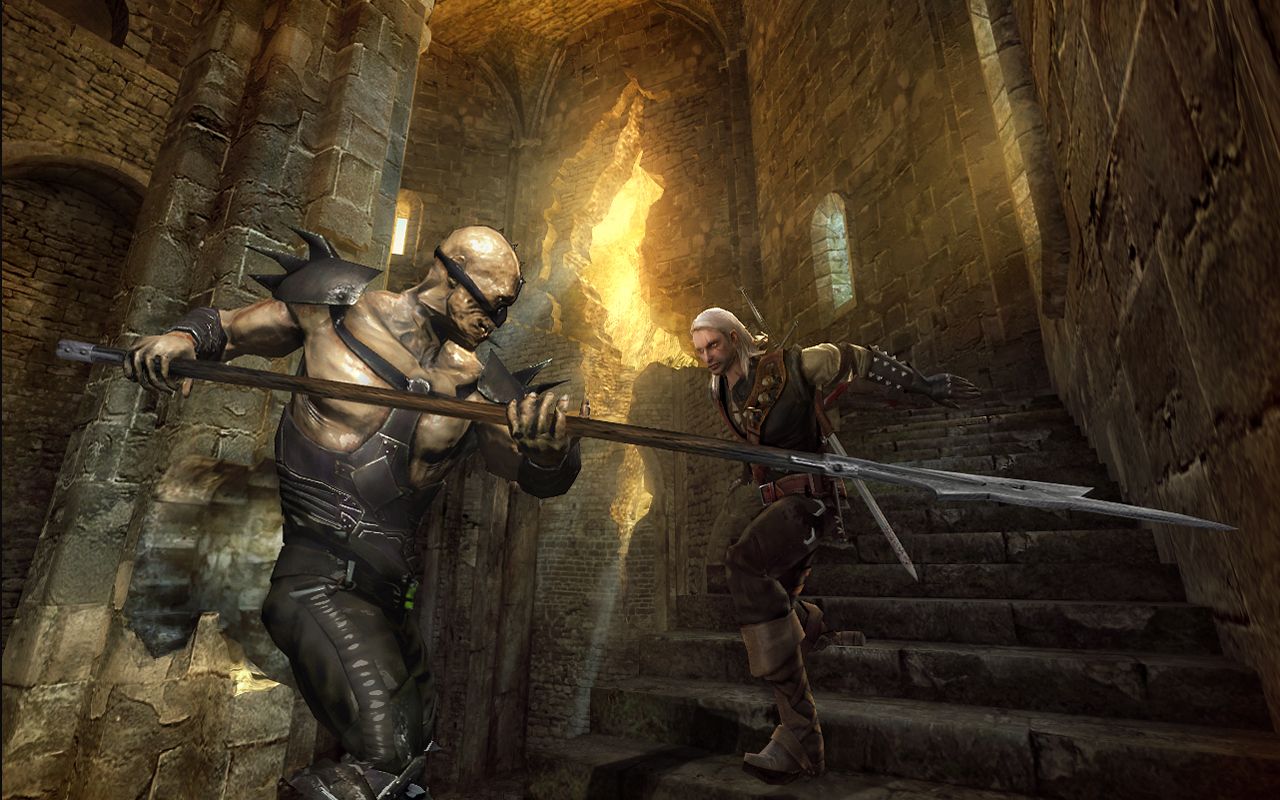
Yet the series isn’t just a postmortem. It’s an affectionate homage to a game that, for all its rough edges, helped define a franchise. The original Witcher was never a technical marvel—its graphics were dated by 2007 standards, and its systems were clunky—but it offered something rare at the time: a living, breathing world where choices mattered, even if the execution was uneven. For fans who grew up with the later entries, the series provides a fascinating look at the roots of Geralt’s story, from the game’s controversial censorship (later addressed in the Enhanced Edition) to its quirky, often cringe-worthy dialogue.
The timing of the series couldn’t be more poignant. Just as Ganszyniec finishes his commentary, CD Projekt Red is gearing up to redefine The Witcher once again with a full remake of the original game. The project, still in development, promises to address the technical and narrative shortcomings of 2007 while preserving the spirit of its predecessor. For Ganszyniec, this remake represents both a full circle and a new chapter—a chance to see what the studio he helped build has become.
But for now, the series stands as a testament to the original’s enduring legacy. It’s a reminder that even the most imperfect games can leave a mark, and that sometimes, the most revealing insights come from those who were there at the beginning.
For those unfamiliar with the original, the series offers a compelling entry point. The Enhanced Edition, now widely available, smooths out many of the game’s rough edges, making it easier than ever to experience the chaos, charm, and raw ambition of The Witcher*’s first outing. And for veterans of the franchise, it’s a chance to see the game through the eyes of the man who helped shape it—a rare glimpse into the making of a myth.