TSMC's aggressive expansion in the U.S. is entering a new phase, with the company now targeting mid-2027 for its first 3 nm production at the second Arizona fab—nearly a year ahead of earlier projections. This acceleration comes as part of a broader $100 billion investment that will see three additional fabs and two advanced packaging plants built in Arizona by 2029, transforming what was once a single facility into a sprawling 'megafab cluster.'
The move underscores TSMC's determination to secure its position as the backbone of global semiconductor manufacturing, even as geopolitical tensions and labor shortages pose challenges. While the company has already begun mass production at its 2 nm node in Taiwan, the Arizona push is part of a strategic diversification that includes new fabs in Japan, Germany, and additional sites in Taiwan itself.
The second Arizona fab (Fab 21 Plant 2) will focus on 3 nm production, while a third plant remains slated for 2 nm chips by 2029-2030. Meanwhile, construction has started on TSMC's second Japanese facility in Kumamoto, with Dresden, Germany, progressing as planned. The company is also planning two more fabs in Hsinchu and Kaohsiung to handle its most advanced nodes, including potential 1.4 nm production.
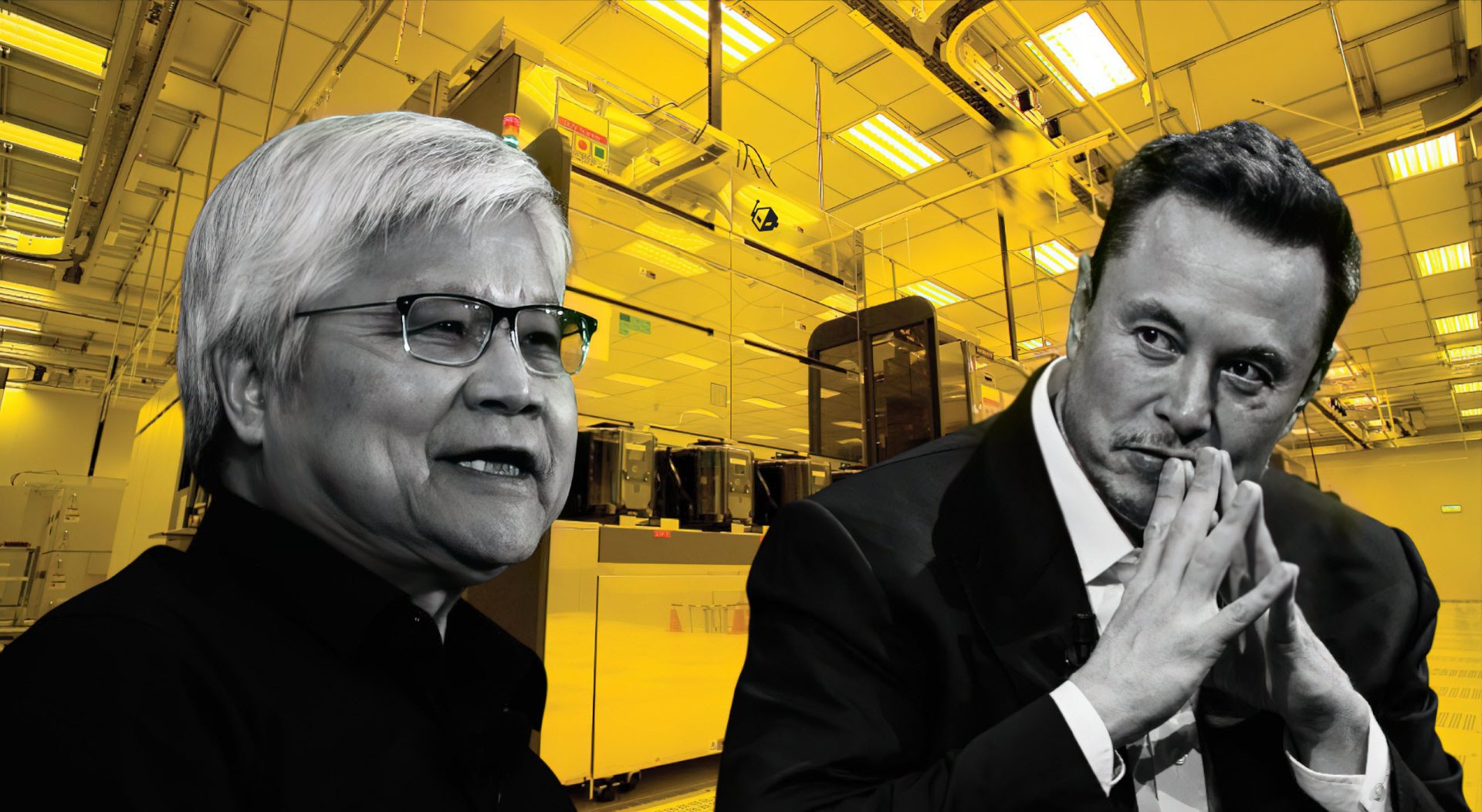
The scale of the investment is staggering: TSMC has already acquired additional land in Arizona to accommodate the expansion, with Chairman C.C. Wei describing it as a 'megafab cluster' designed to meet surging demand from customers. The company's commitment to the U.S. reflects both economic and strategic considerations, though labor shortages remain a significant hurdle—especially given TSMC's reliance on three-shift operations, which has proven more difficult to implement in the U.S.
- Node Timelines:
- 3 nm production: 2H 2027 (Arizona)
- 2 nm production: 2029-2030 (Arizona Plant 3)
- 1.4 nm (A14): Taiwan, construction underway
- Investment & Facilities:
- $100 billion committed to Arizona expansion
- Three new fabs + two advanced packaging plants in Arizona by 2029
- Second Japanese fab (Kumamoto) under construction
- Dresden, Germany facility progressing as planned
This rapid expansion is not just about capacity—it's about securing TSMC's dominance in a fragmented market. With competitors like Intel and Samsung also ramping up advanced packaging, the race to control the next generation of chip manufacturing has never been more intense. For TSMC, the Arizona cluster will serve as its western anchor, reducing reliance on Taiwan while navigating geopolitical risks.
Yet challenges persist. Labor shortages in the U.S. could delay timelines, and the transition from 3 nm to sub-2 nm nodes will require unprecedented precision in manufacturing. Still, with $100 billion at stake and a clear vision of global dominance, TSMC is betting big on Arizona as the cornerstone of its future.