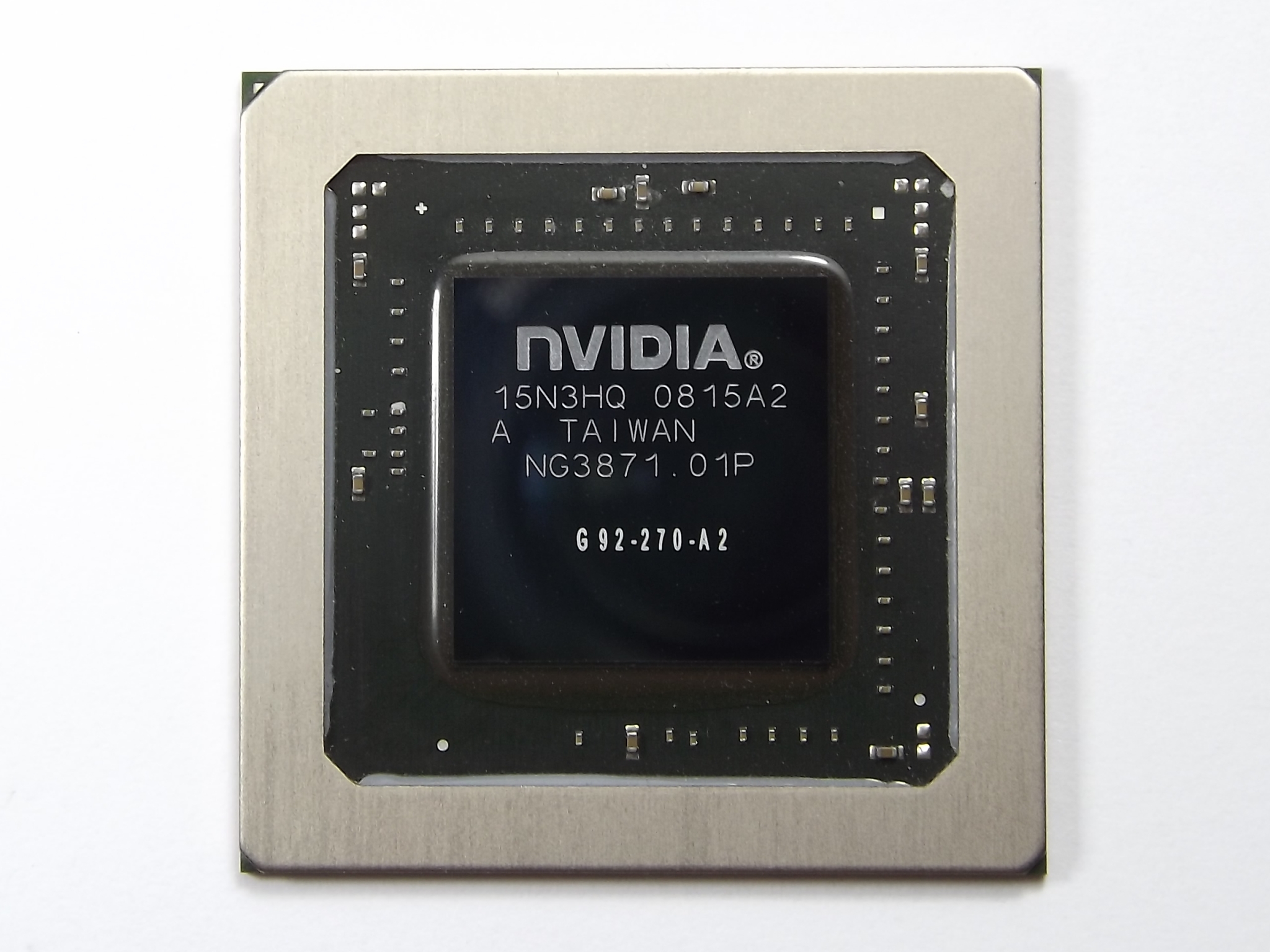
TSMC’s future is being written in numbers no one has seen before. The world’s leading semiconductor foundry is planning to invest over $250 billion in new fabrication plants, advanced packaging facilities, and R&D hubs across the U.S., Europe, and Japan—all to meet what its CEO describes as an unprecedented surge in demand, primarily from a single customer: NVIDIA.
The scale of this expansion is staggering. To satisfy NVIDIA’s projected requirements alone, TSMC will need to double its production capacity over the next ten years. This isn’t just another fab project; it’s the largest infrastructure investment in history, one that reflects how AI-driven workloads are forcing the entire semiconductor ecosystem to rethink capacity, geography, and supply chain resilience.
At the heart of this shift is NVIDIA’s dominance in AI acceleration. The company’s GPUs—particularly the Blackwell architecture—have become the backbone of data centers worldwide, consuming a disproportionate share of TSMC’s most advanced nodes, including 3nm and future A16 processes. Even competitors like AMD rely on TSMC for their AI chips, but NVIDIA’s scale is unmatched: its Grace Blackwell and Vera Rubin systems already take up a larger portion of TSMC’s production lines than Apple’s entire iPhone and Mac chip orders combined.
Why This Matters
This isn’t just about chips. It’s about control. By securing early access to TSMC’s next-generation nodes—often years before rivals—NVIDIA has locked in a strategic advantage. The foundry’s capacity prepayment model, where hyperscalers reserve production slots in advance, ensures that future fabs will prioritize AI workloads over consumer devices. That means less flexibility for traditional markets and more pressure on TSMC to deliver.

The $250 billion figure breaks down into three critical pillars
- Arizona’s 3nm and beyond: TSMC’s U.S. plants are already transitioning to 3nm production, with plans to introduce A16 in the coming years. The move is part of a broader strategy to comply with U.S. export controls (the so-called ‘N-2’ policies) while maintaining leadership in AI-specific processes.
- Global decentralization: Fab expansions in Japan and Europe are as much about geopolitical risk mitigation as they are about capacity. TSMC’s CEO has repeatedly cited concerns over supply chain fragility, particularly in the wake of recent geopolitical tensions.
- Packaging and R&D: Beyond silicon, TSMC is investing heavily in advanced packaging (like CoWoS and SoIC) and AI-optimized design tools. These areas are critical for NVIDIA’s next-gen systems, which rely on heterogeneous architectures blending CPU, GPU, and DPU components.
The implications for competitors are clear. While AMD and others can access TSMC’s nodes, they lack NVIDIA’s ability to shape production priorities. Even ASIC manufacturers, which have traditionally bypassed TSMC for custom designs, are now eyeing the foundry’s advanced packaging capabilities—proof of how AI is redefining the semiconductor landscape.
For TSMC, the challenge isn’t just building fabs. It’s managing a demand curve that grows exponentially with every new AI model release. The company’s CEO has framed this as a decade-long commitment, one that will determine whether the AI boom stalls due to capacity constraints or accelerates into a trillion-dollar infrastructure play. The stakes couldn’t be higher.