chips are being built faster than the factories that make them. That mismatch is pushing TSMC to invest billions in new fabrication plants and research, aiming to secure its dominance in advanced process nodes while addressing a critical bottleneck in AI production.
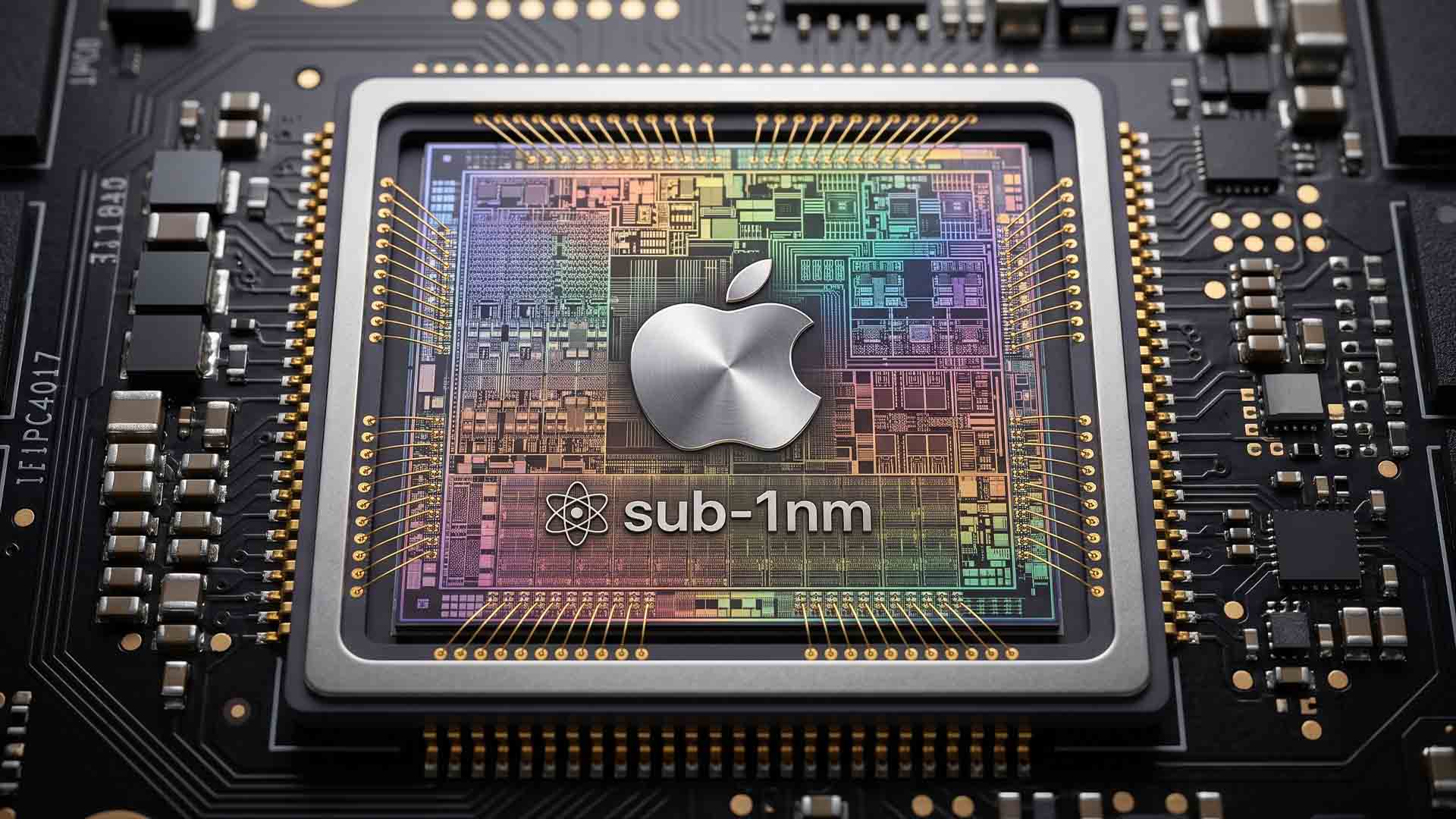
The industry's most trusted chip manufacturer is now focusing on AI-specific processes. Its latest 3-nanometer node, already in volume production, delivers performance gains that outpace earlier generations—15% faster logic and 20% more power efficiency at the same voltage. But the real challenge isn't just shrinking transistors; it's scaling up the entire supply chain to meet the relentless growth of AI workloads.
Why TSMC is building for a different kind of chip
While most foundries concentrate on general-purpose logic, TSMC is dedicating capacity specifically for AI accelerators. These chips require unique manufacturing adjustments: thicker metal layers to handle higher current, specialized memory architectures, and tighter process control to minimize variability in deep neural networks. The 3nm node, for example, includes a new backend-of-line (BEOL) process that reduces interconnect resistance by 12%, a critical factor for AI inference engines.
- AI-specific 3nm process with 15% logic speedup and 20% power efficiency gains
- Dedicated fabs in Taiwan (Tainan) and Arizona (US) to diversify production
- New R&D center in Boston focused on AI-optimized packaging and cooling solutions
The catch? These optimizations come at a cost. AI chips require more complex lithography steps—up to 18% more masks per layer compared to standard logic chips—and yield losses can climb if the process isn't perfectly calibrated. TSMC's Arizona fab, set to ramp in late 2025, will initially target mid-volume AI products rather than the highest-end models, which still rely on Taiwan-based fabs for now.
The competition is moving faster
While TSMC builds its AI foundry, rivals are closing the gap. Samsung's 3nm process, announced in early 2024, already matches TSMC's performance benchmarks, and Intel's IDM approach—though slower to mature—could carve out a niche for AI chips that bypass traditional foundries altogether. The real test will be whether TSMC can maintain its edge in both advanced nodes and the supply chain logistics that AI demands.
The most important change isn't just another node; it's TSMC positioning itself as the backbone of AI chip production, not just a supplier. Whether it succeeds depends on whether it can turn process innovations into real-world performance without leaving competitors behind. If either factor stalls, the bottleneck shifts from capacity to control.