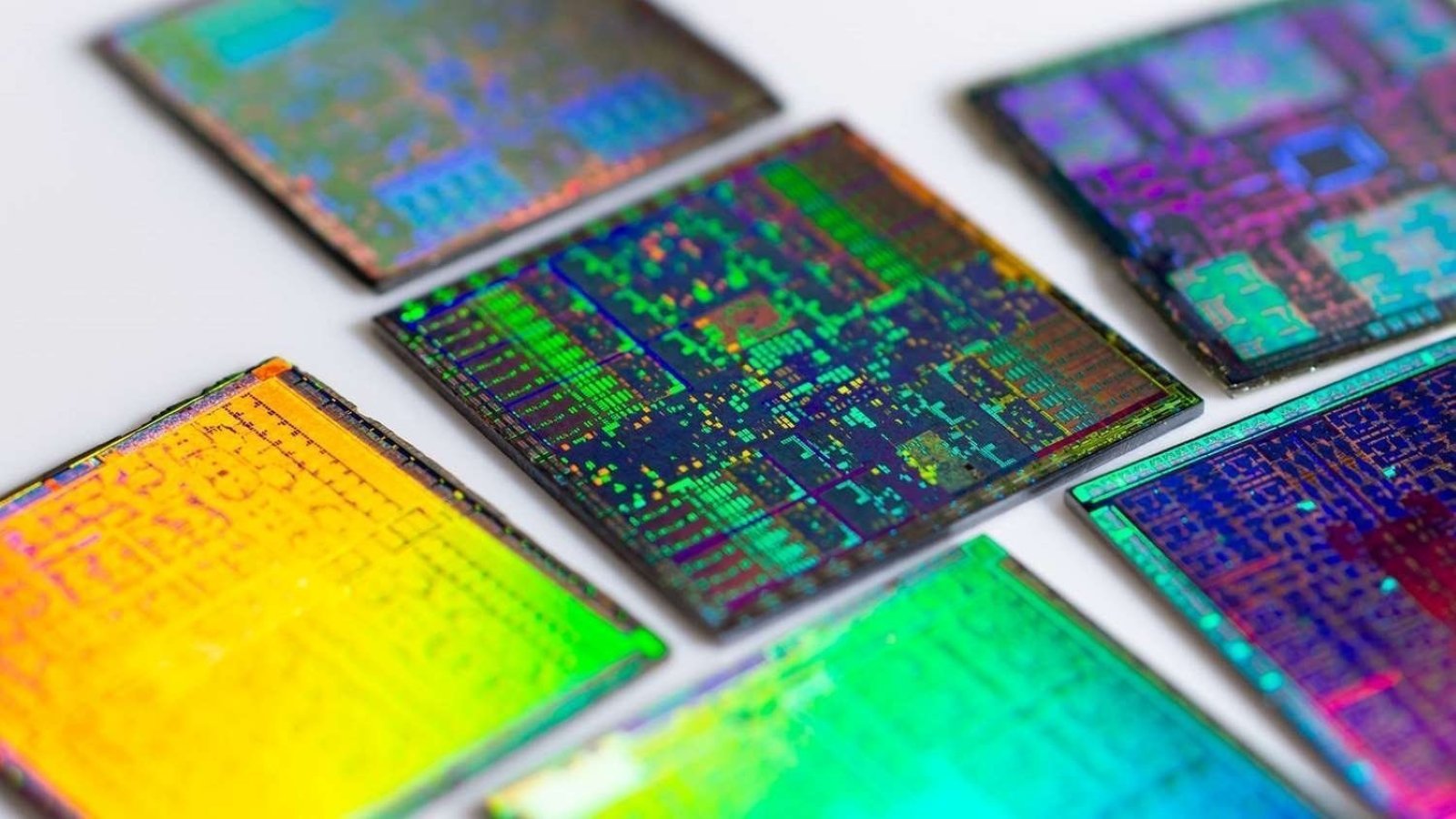
Wildcat Lake represents Intel’s boldest step yet in mobile processor efficiency, combining a hybrid core design with aggressive thermal management to redefine what laptops can achieve at 35W TDP. Unlike traditional multi-core setups, the new architecture splits tasks between two efficiency cores and four performance cores—a shift that could eliminate the need for separate low-power chips while maintaining high-end capabilities.
The 35W maximum TDP is more than just a number; it’s an invitation to manufacturers to build devices that are both lighter and more capable. Early benchmarks suggest these processors can sustain performance levels previously reserved for higher-TDP models, making them ideal for ultraportable workstations where size matters but power doesn’t have to suffer.
Beyond Battery Life: A New Era of Thin Design
Wildcat Lake’s efficiency isn’t just about longer battery life—it’s about rethinking the relationship between performance and form factor. By optimizing thermal behavior, Intel has created a platform where laptops can run cooler, quieter, and for extended periods without throttling, even under sustained loads like video editing or 3D rendering.
- Ultrabook makers can now prioritize portability without compromising on processing power, appealing to professionals who demand both mobility and performance.
- Creative users will see the most immediate benefits, as resource-intensive applications run more smoothly with better thermal management, reducing the need for external cooling solutions.
- General consumers will experience improved battery longevity and reduced heat output, making Wildcat Lake a strong contender in the mainstream laptop market.
The architecture also sets the stage for future software optimization. Developers can now write applications that leverage the hybrid core structure more effectively, further stretching performance per watt. This could accelerate the decline of separate low-power chips in favor of unified, efficient designs.

Who Stands to Gain Most?
The impact of Wildcat Lake extends beyond individual devices—it signals a potential industry shift toward more sustainable mobile computing. For ultrabook manufacturers, it opens doors to thinner, lighter designs that don’t compromise on performance. Creative professionals will benefit from longer sessions without overheating, while everyday users enjoy extended battery life and quieter operation.
Intel’s move also challenges competitors to rethink their own efficiency strategies. If Wildcat Lake delivers on its promises, it could set a new standard for mobile processors, where power savings don’t mean sacrificing capability. As real-world benchmarks emerge, the focus will shift from raw performance metrics to how well these chips balance efficiency and workload demands—a test that could redefine what consumers expect from their laptops.
The final word on Wildcat Lake’s success won’t come until it hits the market, but its potential to reshape mobile computing is undeniable. Whether it becomes a benchmark for future generations or simply another step in Intel’s evolution remains to be seen—but one thing is clear: efficiency has never been this central to processor design.