A forthcoming Windows 11 update will focus on reducing unnecessary background activity, particularly from AI-related components like Copilot, while maintaining the core functionality users rely on. This adjustment reflects a deliberate effort to balance performance improvements with the integration of advanced features.
The update addresses long-standing concerns about resource consumption in enterprise environments, where IT teams often need to optimize both speed and power efficiency. Earlier versions of Windows 11 introduced AI tools that operated persistently, sometimes without direct user benefit. The new version aims to make these features more controllable, allowing administrators to adjust settings based on specific operational needs.
- Background tasks related to AI will be minimized, reducing system load.
- Battery life and overall responsiveness will see measurable improvements across both laptops and desktops.
- Existing Windows 11 features—such as Snap Layouts and multitasking tools—remain unchanged.
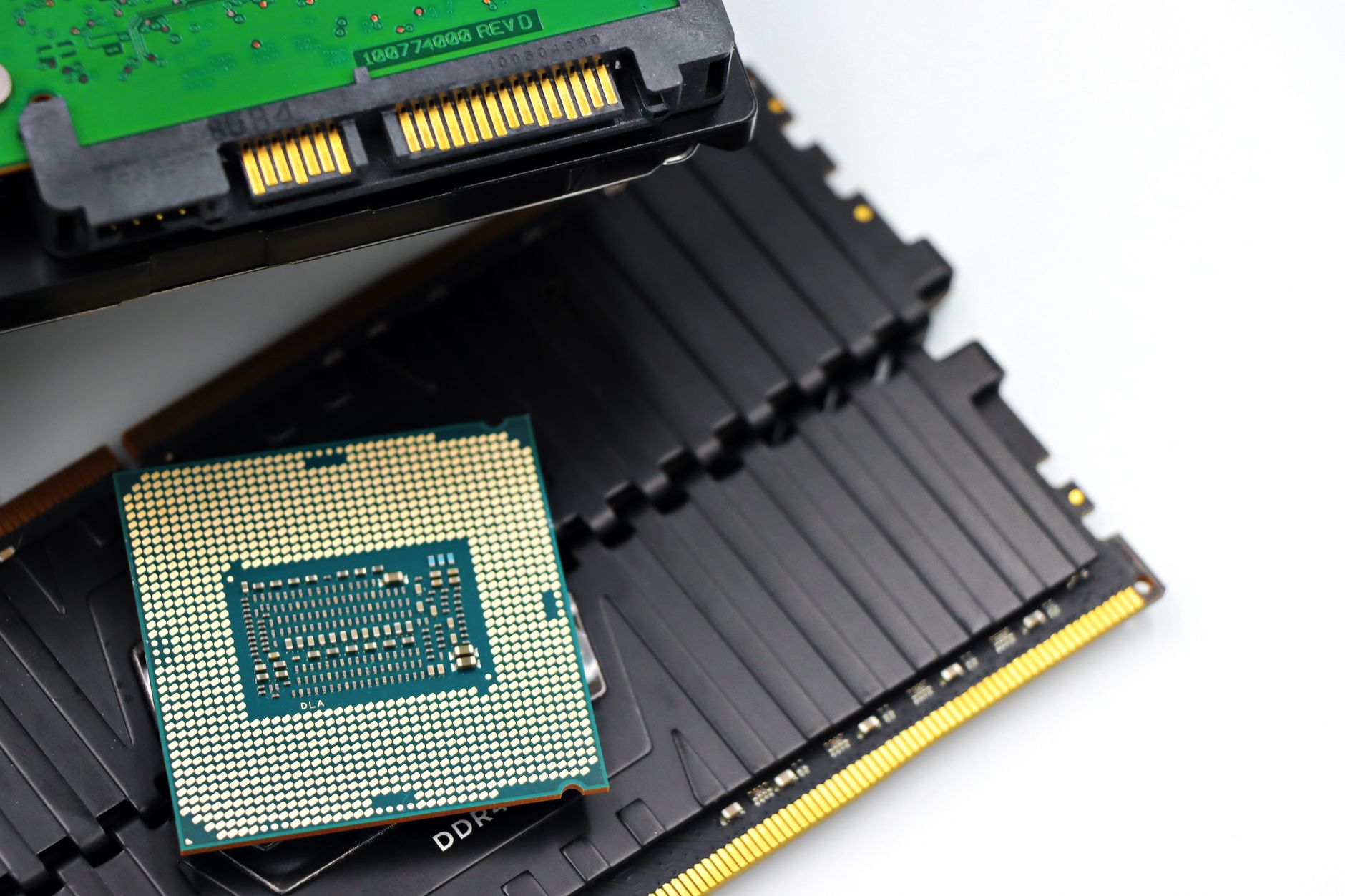
The update does not impose new hardware requirements beyond those already established for Windows 11. Systems with at least 4GB of RAM, a compatible CPU (Intel 8th generation or later, AMD Ryzen 2000 series or newer), and secure boot support will continue to be supported. Storage requirements remain consistent at 64GB, though Microsoft recommends 128GB for optimal performance.
For IT teams, this update represents a direct response to feedback about resource management in large-scale deployments. By giving administrators greater control over AI features, organizations can fine-tune their workflows without compromising productivity. End-users will experience smoother performance, particularly on mid-range hardware, while still retaining access to AI tools when needed.
While this update does not introduce significant new innovations, it signals a shift toward more efficient resource management in Windows 11. The approach aligns with broader industry trends favoring stability and controlled updates over rapid feature expansion, suggesting a focus on refining rather than revolutionizing the operating system.