For 17 years, World of Warcraft has thrived on novelty—each expansion introducing vast, uncharted lands to explore. Yet with World of Warcraft: Midnight and The Last Titan on the horizon, Blizzard is making a deliberate pivot: the game’s next chapters will unfold in places players already know.
Players might assume this means a return to the pixelated aesthetics of 2007, where The Burning Crusade*’s Outland and Northrend zones remain frozen in time. But the reality is far more deliberate. The developers behind *Midnight have made it clear: these aren’t just nostalgic callbacks. They’re reimagined spaces, designed to carry weight in a modern WoW narrative.
The art direction for these zones is undergoing a transformation. Light’s Hope Chapel, once a static landmark in Cataclysm*, will no longer be off-limits. Silvermoon, long a hub for blood elves, is receiving a full visual overhaul to align with contemporary *WoW standards. Even Orgrimmar and Stormwind—cornerstones of the original game—are being repurposed, not preserved. The textures, lighting, and scale of these zones are being reworked to fit a story that demands immersion, not just recognition.
What does this mean for players? For the first time, WoW*’s expansion cycles won’t require a physical journey to a new world. Instead, the game is doubling down on its existing framework, treating Azeroth like a living, evolving canvas. *Midnight will introduce a questline called Journey*, guiding players through a gauntlet of revamped old-world zones, while *The Last Titan will extend this approach to Northrend. The shift isn’t just aesthetic—it’s narrative. Developers argue that forcing every story into a new continent risks stagnation. Why build another island when the world already has decades of untapped potential?
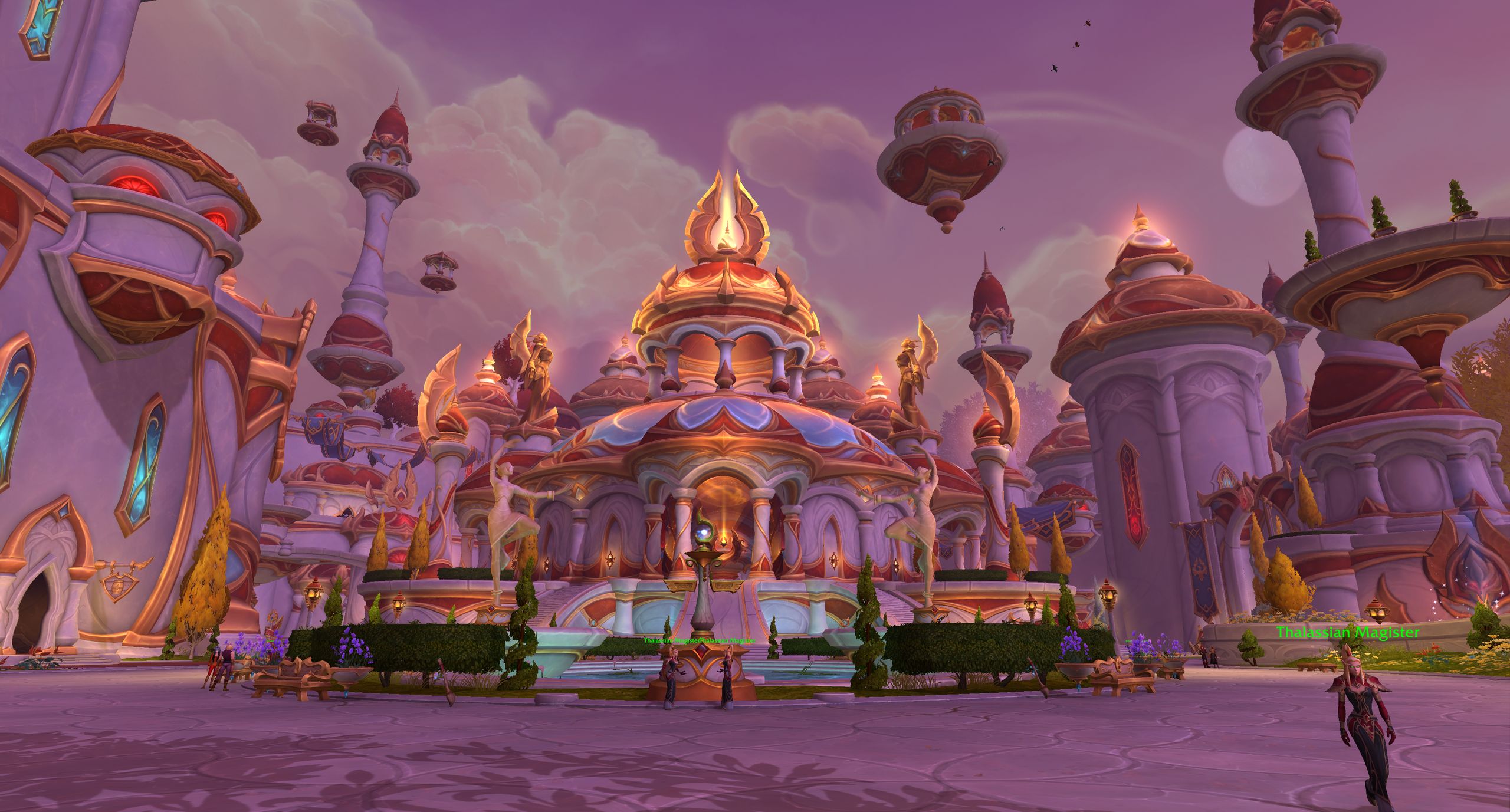
But challenges remain. The original zones were designed with different technical constraints—lower-resolution textures, simplified lighting, and less dynamic environments. Modernizing them without losing their identity is a balancing act. Blizzard’s solution? A blend of restoration and reinvention. Light’s Hope Chapel won’t look like a museum piece; it will be a functional, interactive space, updated to meet today’s standards. The same goes for Silvermoon, where the blood elf architecture will be preserved but the surroundings will feel fresh.
This isn’t just about visuals. The mechanics of old-world zones are being reconsidered too. Expect dungeons and raids to adapt, with new encounters that respect the history of these locations while introducing modern gameplay twists. The goal is to make players feel like they’re returning to familiar places—not stepping into a time capsule.
The implications for *WoW*’s future are significant. If this approach succeeds, it could redefine how MMOs handle world-building. Instead of endless expansion, the focus shifts to depth: breathing new life into existing spaces rather than carving out new ones. For long-time players, it’s a rare opportunity to see their childhood stomping grounds transformed. For newcomers, it offers a chance to experience *WoW*’s legacy in a way that feels relevant.
One thing is certain: this isn’t a step backward. It’s a calculated risk—one that could either rejuvenate *World of Warcraft*’s storytelling or prove that some traditions are too ingrained to abandon. Either way, Azeroth is about to change in ways few expected.