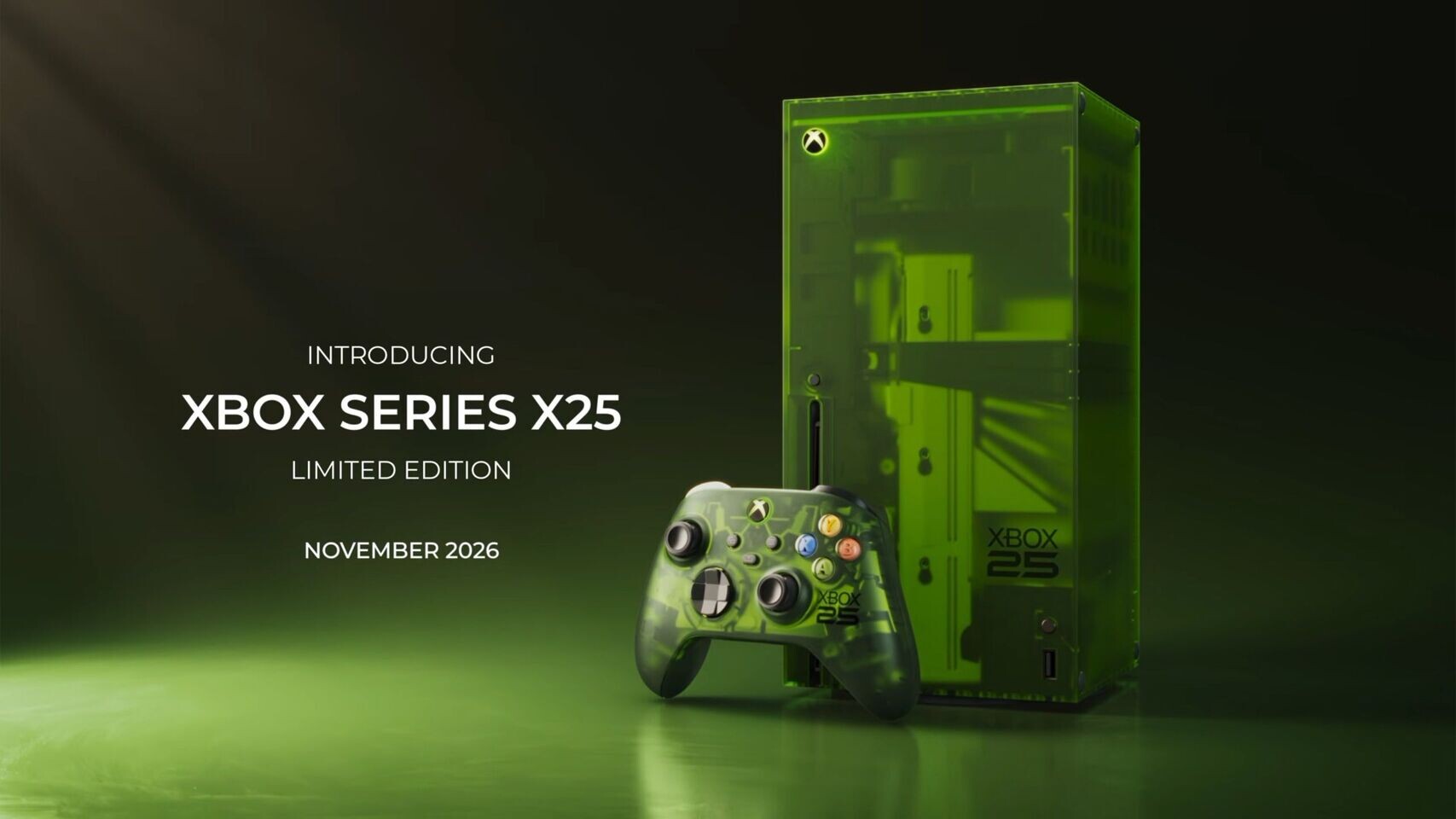
Microsoft's Project Helix, the successor to the Xbox Series X|S, is poised to eliminate one of the defining characteristics of console gaming: custom silicon.
Instead of a bespoke APU, Helix will rely on off-the-shelf components—specifically AMD's RDNA 5 graphics and Zen 6/6c CPU cores. This shift mirrors recent trends in handheld gaming devices like the Steam Deck 2, which also abandoned custom silicon for mainstream processors.
What does this mean for performance? Helix is expected to outpace Sony's upcoming PlayStation 6 hardware, which will use Canis and Orion APUs. While Sony's chips are still under development, Microsoft's move suggests a focus on flexibility over raw performance gains from customization.

The implications extend beyond hardware. If Helix adopts cross-platform upscaling technologies like FSR Diamond, developers may no longer need to optimize games separately for Xbox and PC. This could streamline production pipelines but also reduce the incentive for platform-exclusive titles, further blurring the line between console and PC gaming.
For Microsoft, this approach aligns with its broader strategy of integrating Xbox and PC ecosystems. It also raises questions about how exclusivity will work in a world where hardware is no longer a differentiator. The era of console performance back-and-forth may be drawing to a close, leaving room for other factors—like software, services, or ecosystem integration—to define the next generation of gaming.