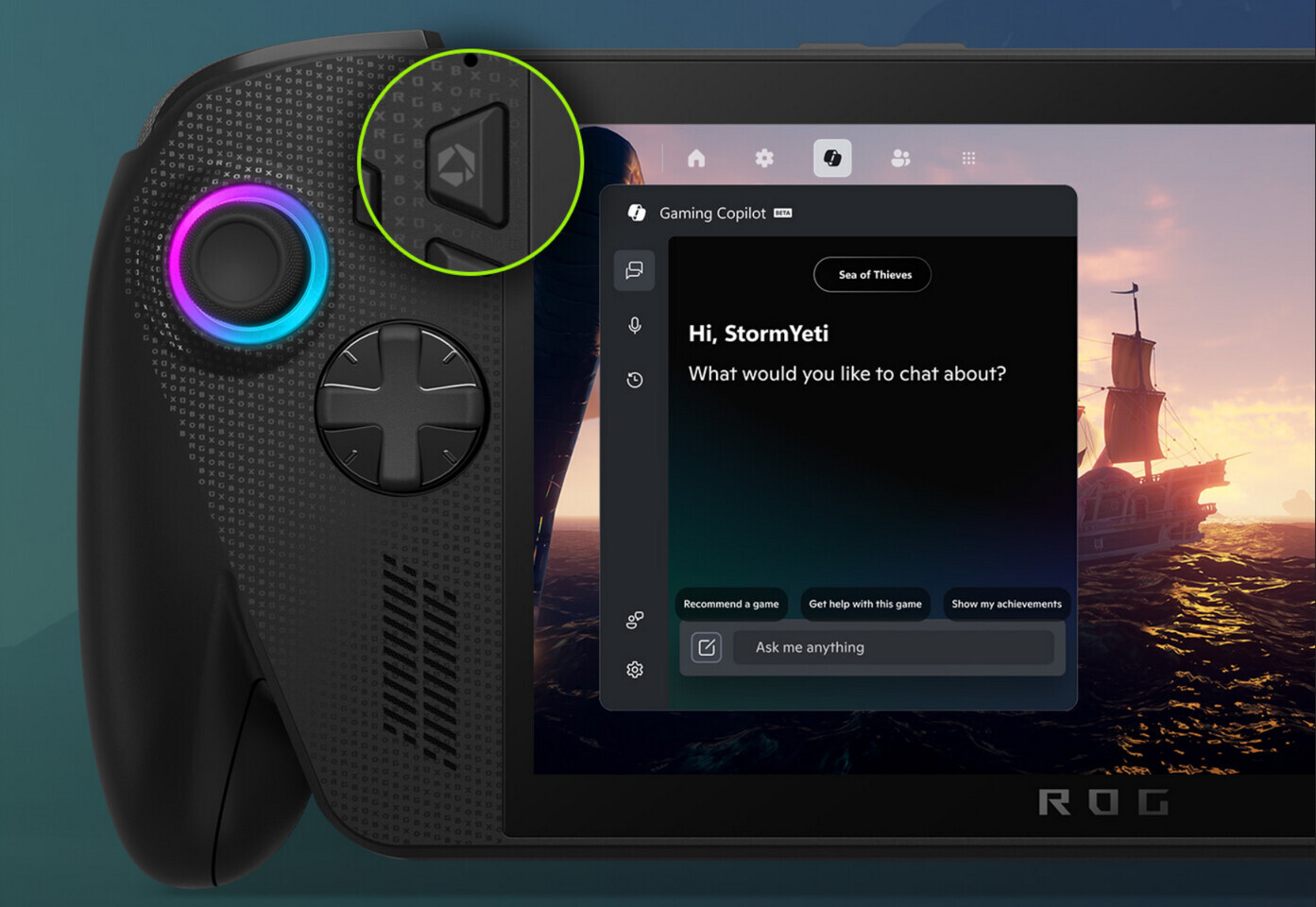
Xbox has quietly begun to dismantle one of its most ambitious AI projects, signaling a shift away from aggressive integration across platforms. Effective immediately, Copilot on console will no longer advance, while the mobile version of the feature is being phased out. This decision comes less than two years after Microsoft first announced plans to embed AI deeply into Xbox’s ecosystem, suggesting a recalibration in priorities that could reshape how players engage with games.
- Copilot on console: Development halted; no future updates expected
- Mobile Copilot: Winding down, with no new features planned
- Impact: Affects both players and developers, particularly those relying on AI-assisted workflows
- Strategic context: Part of a broader effort to streamline Xbox’s offerings and refocus on core gaming experiences
Copilot was designed to act as an AI assistant for gamers, analyzing gameplay sessions in real time to provide suggestions—whether for performance tweaks, content recommendations, or even in-game strategy. On mobile, it aimed to offer similar functionality, though with the constraints of handheld devices. The decision to stop development comes at a time when Microsoft is also re-evaluating other AI-driven initiatives, including its approach to Game Pass and exclusive titles, indicating a deliberate pivot toward more traditional gaming priorities.
For developers, this shift could mean fewer AI tools to integrate into games, potentially simplifying workflows but also limiting access to advanced analytics. Players may notice the absence of Copilot in future updates, though existing functionality will likely remain available until it is fully deprecated. The move aligns with broader trends in the industry, where the promise of AI has often outpaced practical implementation, leaving room for more focused development.
The implications extend beyond just AI features. Xbox’s decision to scale back Copilot suggests a return to a more conservative approach, one that prioritizes stability and community trust over rapid innovation. While this may not immediately affect the hardware or software landscape, it could influence how Microsoft positions itself in the competitive gaming market, particularly against alternatives like SteamOS on handheld devices. For now, the focus appears to be on refining what already exists rather than expanding into untested territory.