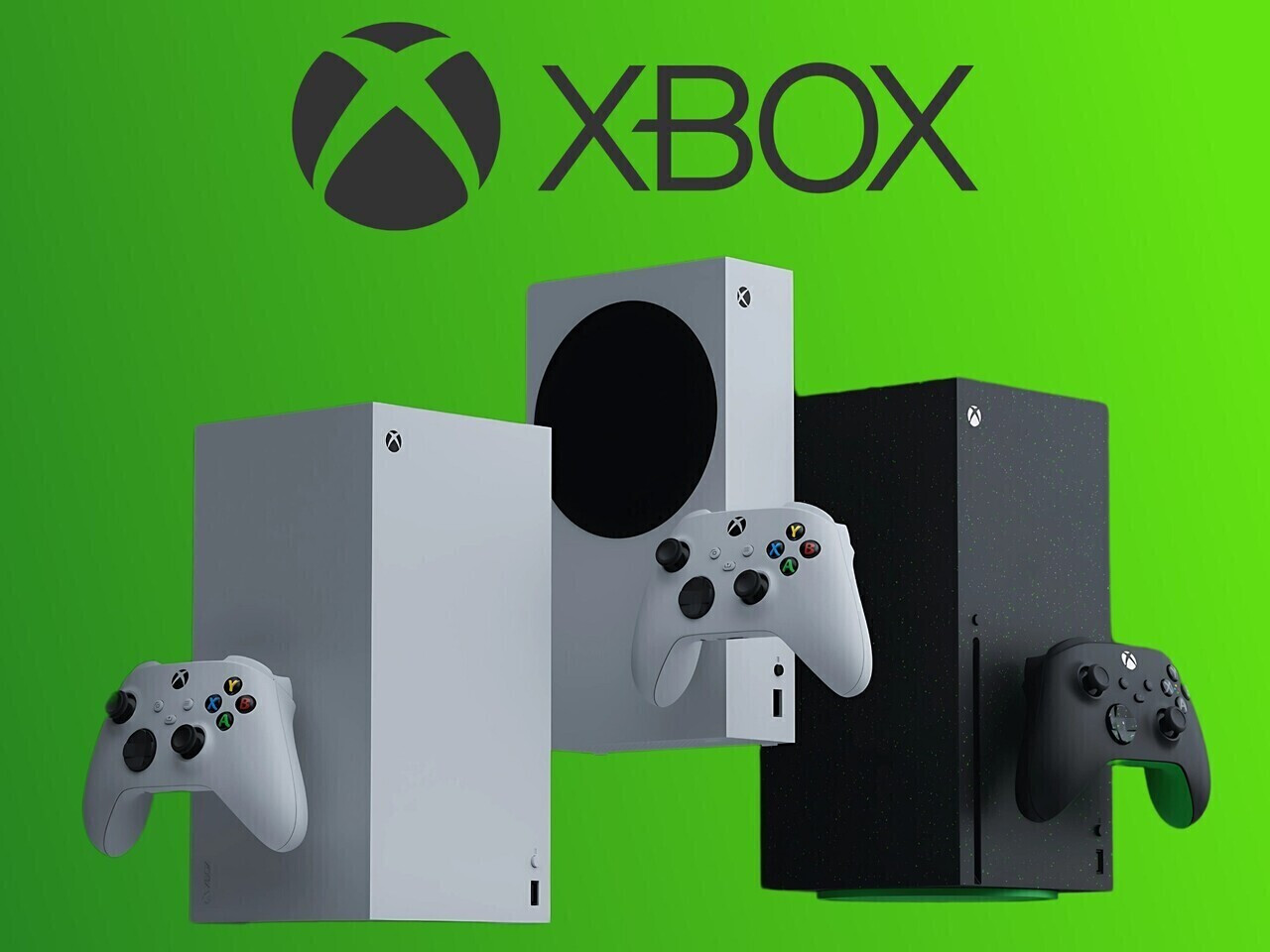
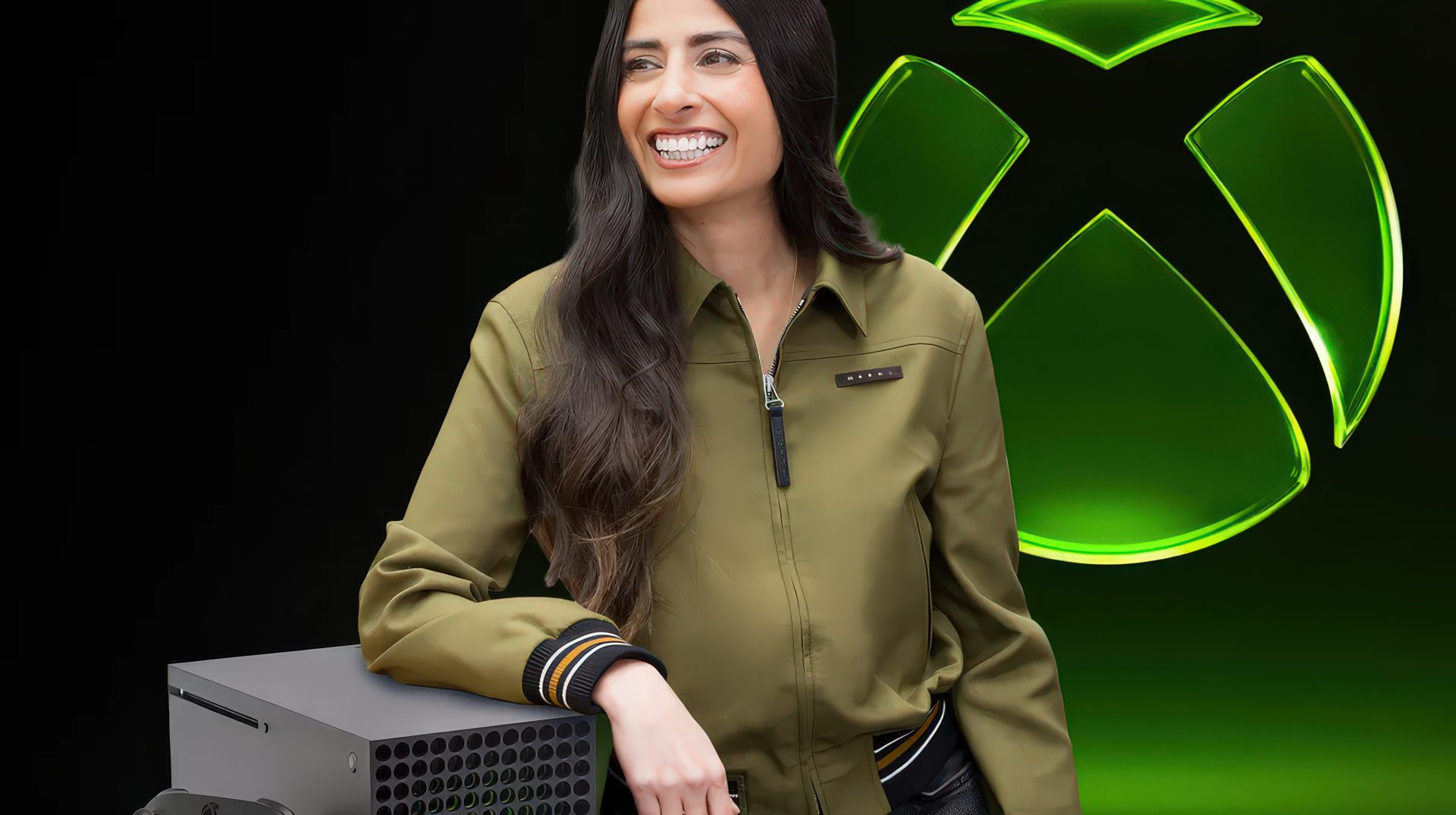
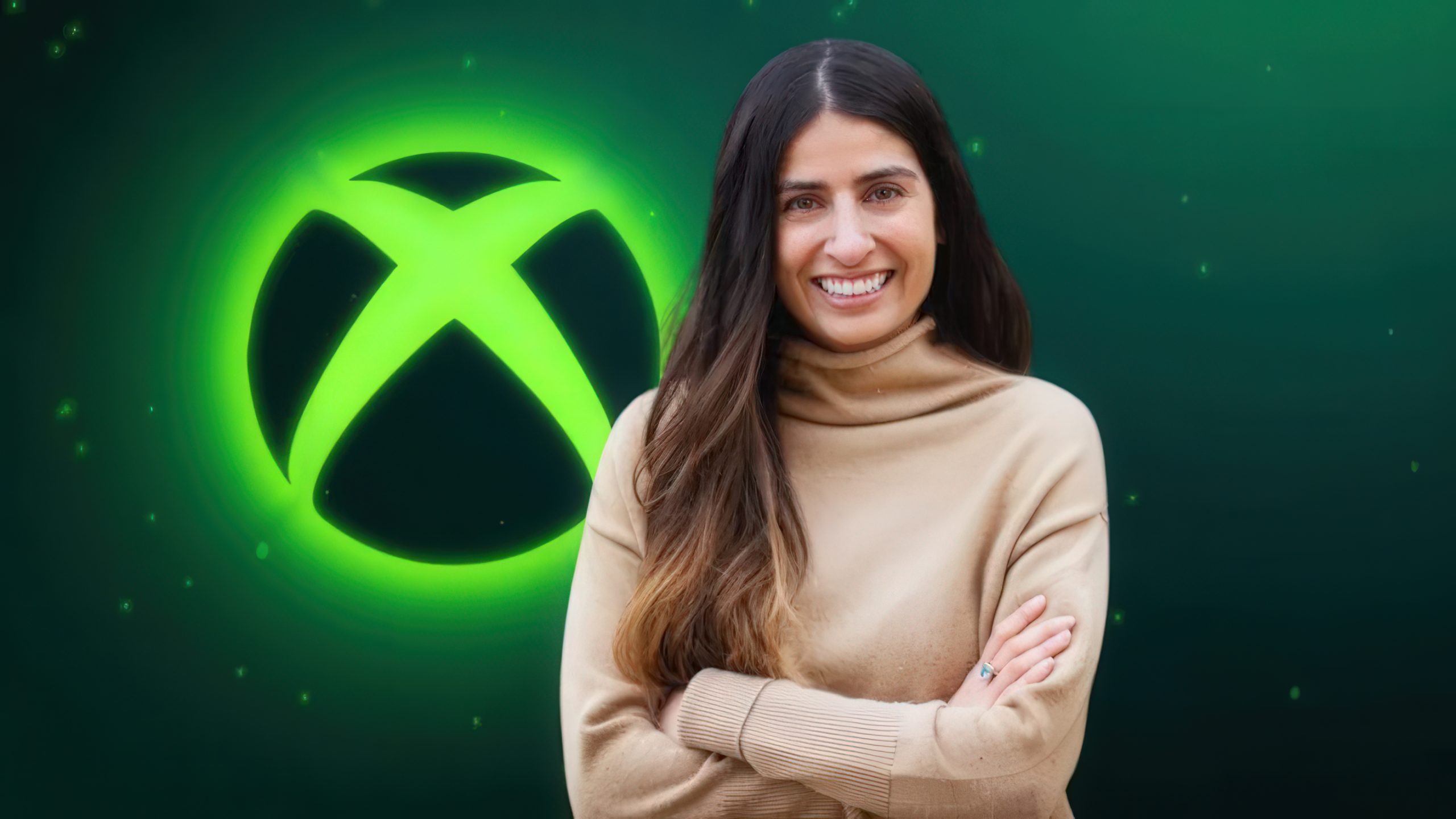
Microsoft’s Xbox division is navigating uncharted territory with its latest leadership change, and the transition has already sparked debate among gamers. Asha Sharma, the newly installed CEO of Microsoft Gaming, is facing early skepticism over claims her social media engagement may involve AI-generated responses—and the timing of her newly minted gamertag suggests she’s still finding her footing in the gaming world.
The shakeup at Xbox began last week with the departures of longtime CEO Phil Spencer and president Sarah Bond, leaving Sharma, a 36-year-old executive with no prior gaming industry experience, to step into the role. Her career has been marked by stints at Microsoft (2011–2013), Meta, Instacart, and most recently as president of Microsoft’s CoreAI division—an appointment that may have primed some gamers for skepticism.
Sharma’s attempt to connect with the Xbox community through X (formerly Twitter) over the weekend drew immediate attention. While her responses included references to games like Halo and Valheim, critics pointed out inconsistencies in her replies, suggesting they might have been AI-generated. One example included a reply that read, Great list. I did my top 3 in another reply. Halo, Valheim, 007. It’s been a long time since I played Chrono Trigger. Have you done every ending? Thanks for all the detail. I appreciate it a ton.—a tone and phrasing some gamers found uncharacteristically polished for a new player.
Adding to the intrigue, Sharma’s gamertag was created just last month, despite her public confirmation that she’s no Phil Spencer—a nod to Spencer’s well-documented gaming credentials. The gamertag’s recent activity, combined with her lack of industry background, has left some fans questioning whether she’s genuinely engaging with Xbox’s core audience or simply fulfilling a corporate checkbox.
Sharma addressed the AI speculation indirectly in a prepared statement, emphasizing that Xbox would not chase short-term efficiency or flood our ecosystem with soulless AI slop. Yet the damage may already be done. Gamers, particularly those who value hands-on leadership, often measure executives by their passion for the medium. Sharma’s entry into the role—without a history of game development, esports, or even deep community involvement—has set a low bar for trust.
Still, Microsoft’s gaming lineup for 2026 remains strong, with titles like Fable, Forza Horizon 6, Halo: Campaign Evolved, and Gears of War: E-Day already announced. Whether Sharma can leverage this foundation—or if Xbox’s future hinges on her ability to prove she’s more than an AI-curated executive—remains to be seen.
The challenge for Sharma is clear: in an industry where authenticity often translates to credibility, her early missteps could overshadow even the most promising hardware or software releases.