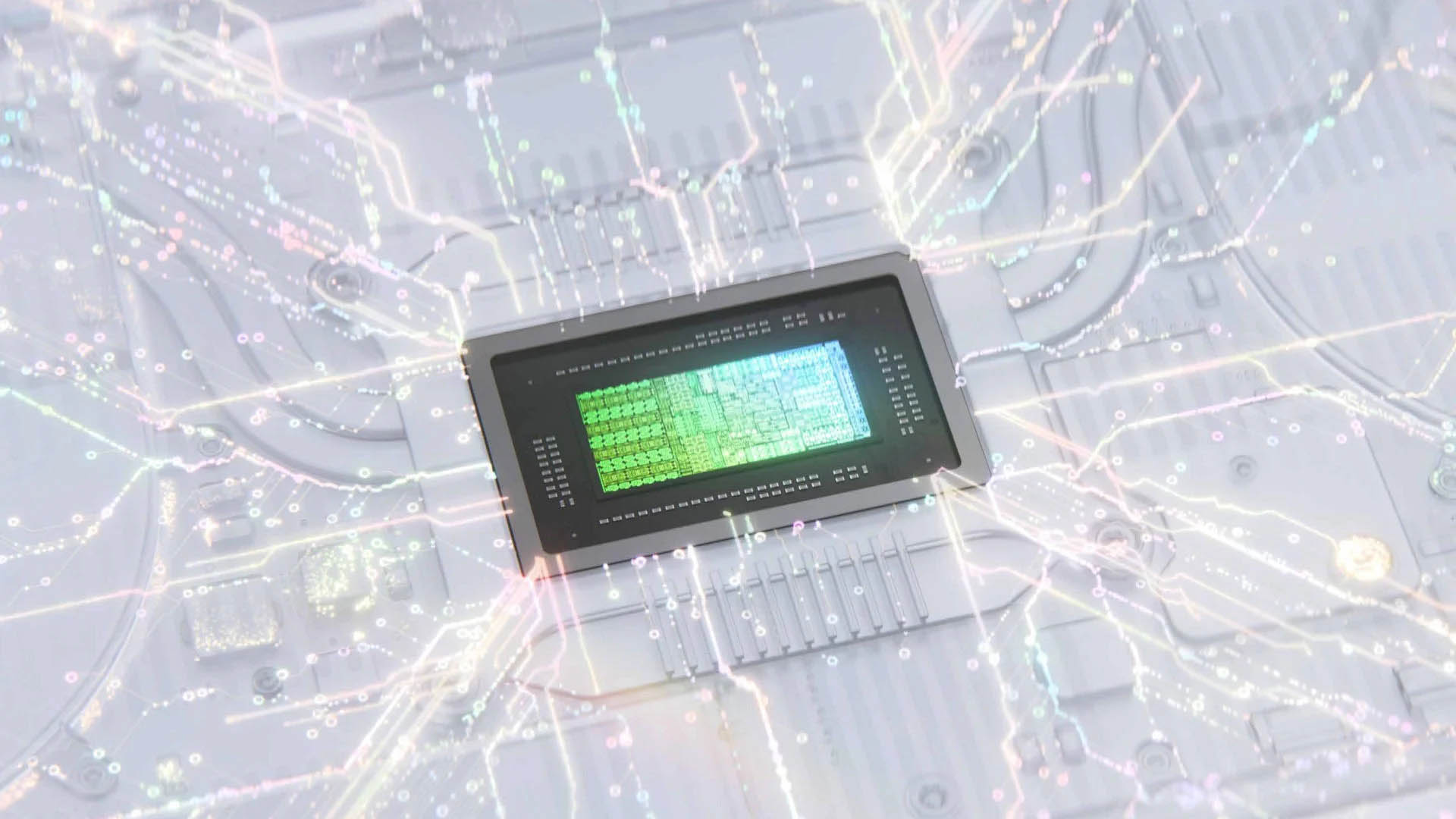
The GPU market is in turmoil, and the ripple effects are now reaching the point where even industry giants are sounding the alarm. Zotac Korea has issued a dire assessment of the current landscape, framing the situation as a potential existential threat to graphics card manufacturers and distributors. The company’s warning comes as the AI boom continues to siphon off critical resources—particularly memory—that are essential for producing consumer GPUs.
At the heart of the crisis is the sharp increase in costs for Nvidia’s RTX 50-series GPUs, including the flagship RTX 5090 and mid-range RTX 5060. Zotac attributes these surges to the broader memory shortage, which has sent GDDR prices soaring and left manufacturers scrambling for scraps. The company has responded by cutting rewards programs and raising prices across its lineup, signaling a broader shift in how GPUs are priced in a market where Nvidia’s allocation decisions now carry outsized weight.
The memory crunch isn’t just a GPU problem—it’s a systemic issue. AI accelerators and high-end GPUs compete for the same DRAM and GDDR resources, and with TSMC’s production capacity split between gaming chips and AI-focused hardware, consumer GPUs are increasingly taking a backseat. Zotac’s announcement highlights a troubling dynamic: even if TSMC could meet demand, Nvidia’s prioritization of AI workloads means gaming-focused GPUs may remain in short supply for the foreseeable future.
Adding to the pressure, reports suggest Nvidia may have scaled back or canceled incentive programs designed to encourage partners like Zotac to adhere to manufacturer-suggested retail prices (MSRP). If true, this move would force AIBs to absorb the full brunt of market-driven costs—a scenario that could further squeeze margins already stretched thin. Zotac’s recent price hikes, some exceeding $200 for certain models, reflect this shift, as the company struggles to maintain profitability in an environment where supply is unpredictable and costs are volatile.
Key specs under strain
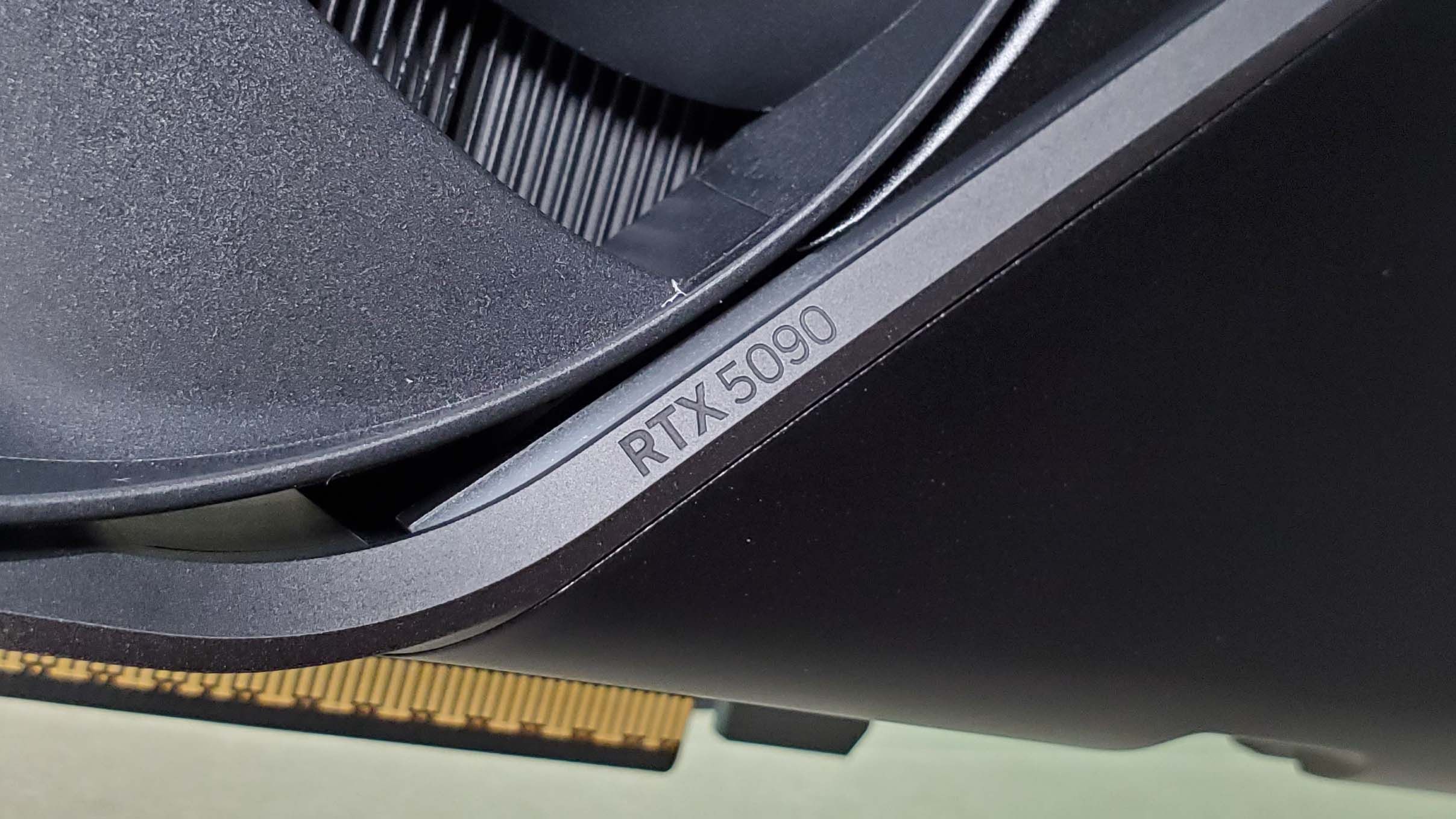
- RTX 5090: Flagship model facing sharp price increases due to memory and production costs.
- RTX 5060: Mid-range GPU also impacted by rising component expenses.
- Memory constraints: GDDR shortages forcing manufacturers to reassess stock availability, with some models expected to remain unavailable for extended periods.
- Supply chain dependency: TSMC’s allocation decisions now dictate whether gaming GPUs or AI chips take priority, leaving consumer hardware vulnerable to supply chain whims.
The implications for gamers and enthusiasts are clear: pricing volatility, potential stock shortages, and a market where traditional incentives no longer guarantee stability. Zotac’s warning isn’t just about profit margins—it’s a signal that the entire ecosystem is under stress. With AI demand showing no signs of slowing, the question isn’t whether the GPU market will recover, but how quickly manufacturers can adapt to a new reality where gaming hardware is no longer the top priority.
For now, the outlook remains uncertain. While Zotac and other AIBs grapple with rising costs and constrained supply, consumers may find themselves in a Catch-22: either paying premium prices for limited stock or waiting indefinitely for a market correction that isn’t yet in sight.