
The pursuit of pristine audio quality has long been a central focus for ASUS, and their recent introduction of AI Noise Canceling technology demonstrates a deeply considered approach to addressing the challenges inherent in mobile and laptop environments. This isn’t simply about reducing background noise; it's about creating an optimized acoustic space tailored to the user’s needs – whether that’s participating in a professional video conference or enjoying music during focused work.
At the core of this technology lies a sophisticated algorithm, trained through extensive data analysis and refined by audio engineers. Unlike traditional noise cancellation methods which often employ fixed filters, ASUS’s AI system utilizes artificial intelligence to analyze real-time soundscapes. It identifies and selectively attenuates unwanted frequencies – chatter, keyboard clicks, fan noise – without compromising the clarity of desired sounds like speech or music.
The Engineering Philosophy: Acoustic Optimization in Compact Spaces
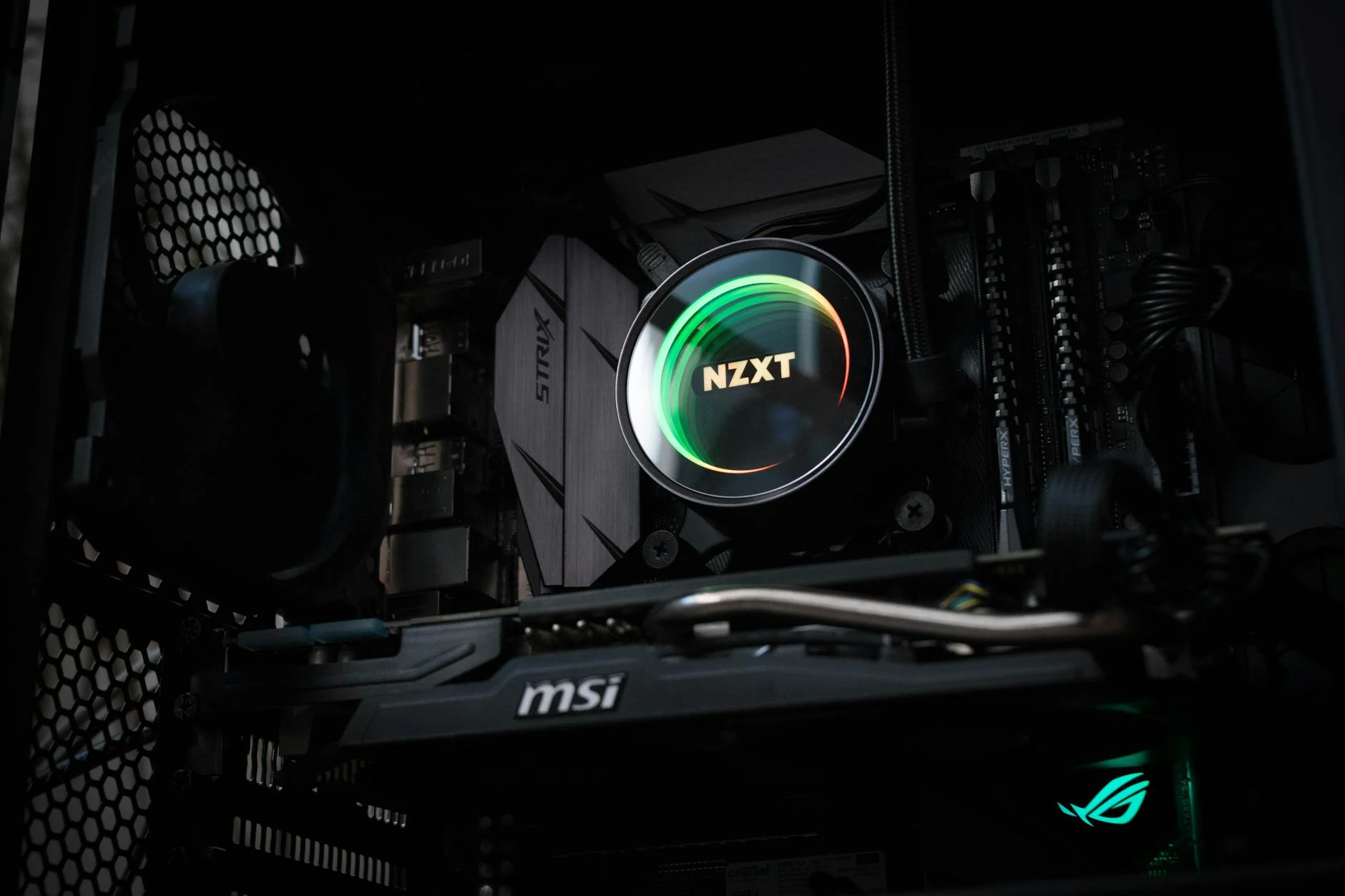
A key driver behind ASUS’s development of AI Noise Canceling was a recognition that achieving superior audio quality within the constraints of modern laptop and headset designs presents unique hurdles. Space is, undeniably, at a premium. Traditional acoustic solutions frequently require larger enclosures to accommodate complex circuitry and passive noise reduction elements. This often leads to compromises in portability or overall device size.
The ASUS Audio Engineering Lab played a crucial role in this process. Their work centered around meticulously modeling sound propagation within the limited volumes of laptops and headsets, identifying critical areas where noise interference was most problematic. This involved detailed simulations and physical experimentation to understand how sound waves behaved under various conditions – from close-range conversation to background office environments.
The team’s approach wasn't simply about minimizing noise; it was about intelligently shaping the acoustic environment. They focused on creating a ‘virtual sound chamber,’ using sophisticated algorithms to actively counteract unwanted sounds and enhance the perceived quality of audio signals. This is achieved through precise adjustments in real-time, adapting to the surrounding conditions with remarkable speed and accuracy.
How AI Noise Canceling Works: A Layered Approach
The functionality of ASUS’s AI Noise Canceling technology can be understood as a layered system, combining several key components

- Ambient Sound Analysis: The system begins by continuously monitoring the surrounding acoustic environment. Advanced microphones capture audio data, which is then processed to identify dominant noise frequencies and patterns.
- Adaptive Filtering: Based on this analysis, a dynamic filter is applied to attenuate unwanted sounds. This isn’t a static filter; it adjusts its parameters in real-time based on the changing acoustic environment.
- Voice Activity Detection (VAD): A crucial element is VAD, which intelligently detects when speech is present. This ensures that the noise cancellation system only activates when needed – minimizing processing overhead and preventing any unnatural pauses or distortions in audio.
- Spatial Audio Processing: Beyond simply reducing noise, ASUS’s technology often incorporates spatial audio processing techniques to create a more immersive and natural listening experience. This involves subtly adjusting the timing and amplitude of sounds to simulate how they would be perceived in a real-world environment.
Applications and Benefits – More Than Just Headsets
Initially launched with the ROG gaming headset, ASUS’s AI Noise Canceling technology has rapidly expanded across their laptop lineup, reflecting its versatility and effectiveness. The benefits extend far beyond simply improving audio quality during gaming sessions.
- Work-from-Home Productivity: For professionals working remotely, clear communication is paramount. AI Noise Canceling significantly reduces distractions, allowing users to focus on meetings, calls, and collaborative tasks with greater clarity.
- Enhanced Video Conferencing: The technology dramatically improves the quality of video conferences, ensuring that participants can hear each other clearly even in noisy environments.
- Immersive Audio Experiences: Whether listening to music or podcasts, AI Noise Canceling elevates the overall audio experience by reducing background distractions and enhancing clarity.
- Reduced User Fatigue: By minimizing the need for users to actively adjust their volume levels to compensate for noise, the technology can contribute to reduced ear fatigue during extended use.
Looking Ahead – The Future of Audio in Computing
ASUS’s commitment to AI Noise Canceling represents a broader trend within the tech industry: the increasing integration of artificial intelligence into audio processing. As computing devices become more sophisticated and our reliance on digital communication continues to grow, the demand for high-quality audio experiences will only intensify.
We can expect to see further advancements in this area, including even more intelligent noise cancellation algorithms, improved spatial audio capabilities, and seamless integration with other technologies like augmented reality. ASUS’s pioneering work sets a strong foundation for future innovations, demonstrating the potential of AI to transform how we interact with sound – ultimately improving our productivity, communication, and overall digital experiences.
The team continues to refine this technology, exploring new techniques to further optimize audio clarity and adapt to an ever-changing range of acoustic environments. ASUS's dedication highlights a commitment to delivering premium audio solutions that meet the evolving needs of today’s users.


