
Redefining Visual Fidelity: ASUS’s RGB OLED Strategy
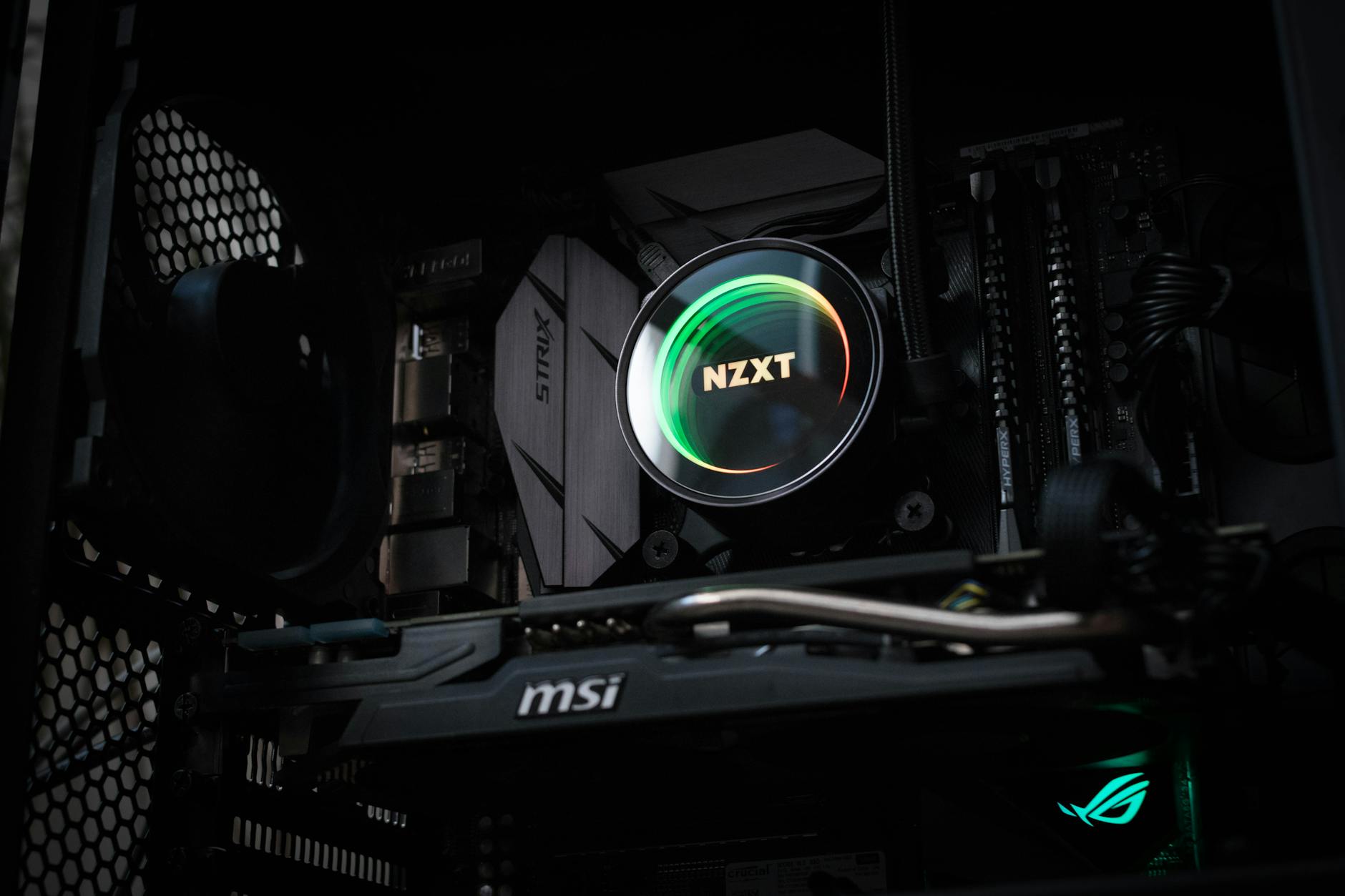
The core of ASUS’s CES 2026 showcase revolved around integrating advanced Redshift Color (RGB) Organic Light Emitting Diode technology across its product lines. Moving beyond traditional RGB implementations, the company demonstrated a nuanced approach to color rendering and dynamic lighting control that significantly impacted perceived image quality. This wasn't simply about bright colors; it was about creating a more realistic and engaging visual experience by simulating natural light variations and enhancing depth perception.
ROG’s contribution to this effort centered on their gaming glasses, dubbed the ‘XREAL R1’, representing a bold step toward truly personalized visual augmentation. The XREAL R1 leverages micro-OLED displays within each lens to overlay interactive elements directly onto the user's field of vision, creating a seamless blend between the digital and physical worlds. Initial demonstrations showcased applications ranging from enhanced in-game HUDs and contextual information overlays to productivity tools that augment real-world workflows.
ProArt Monitors: Precision Color for Professional Creators
Alongside the gaming-focused innovations, ASUS’s ProArt monitor series continued its trajectory as a benchmark for color accuracy and professional workflow optimization. The new ProArt displays featured refined RGB OLED panels alongside existing LCD technologies, offering users an expanded palette of display choices tailored to specific creative needs. Key advancements included enhanced calibration tools integrated directly into the monitor software, providing unprecedented control over color profiles and ensuring consistent results across diverse applications.
A notable addition was a new ProArt DisplayPort 3.2a enabled model, designed to maximize bandwidth for high-resolution content creation and streaming. This increased connectivity catered to demanding professional workflows involving large file sizes and complex visual assets. Furthermore, the monitors incorporated advanced ergonomic features, including adjustable stands, tilting mechanisms, and integrated cable management solutions, promoting comfort and productivity during extended use.
ZenScreen Monitors: Portable Productivity Reimagined
ASUS’s ZenScreen portable monitor line received updates reflecting the broader RGB OLED trend. New models offered increased screen sizes and resolutions while maintaining their renowned portability and seamless connectivity options. The integration of the RGB OLED technology in these displays allowed for improved color reproduction when viewing content from various sources, including smartphones, tablets, and laptops.
The ZenScreen series continued to prioritize versatility, offering both USB-C and HDMI ports for compatibility with a wide range of devices. Features like auto-wake functionality and built-in speakers enhanced usability on the go, making them ideal for remote workers and mobile professionals.

XREAL R1 Gaming Glasses – A New Dimension in Immersive Gaming
The ROG XREAL R1 represents a significant departure from traditional gaming peripherals. Utilizing micro-OLED technology within each lens, the glasses project interactive elements directly onto the user's vision, effectively augmenting their perception of the game world. This approach minimizes eye strain and provides a more natural and intuitive gaming experience.
Key features of the XREAL R1 include
- Adaptive Brightness Control: Automatically adjusts brightness based on ambient lighting conditions, ensuring optimal visibility in any environment.
- Eye-Tracking Integration: Utilizes integrated eye-tracking technology to dynamically adjust the position and size of overlaid elements, further enhancing realism and reducing visual fatigue.
- Customizable Overlays: Allows users to tailor the type and placement of interactive overlays to their specific gaming preferences and workflow needs.
The XREAL R1's development highlights ASUS’s commitment to exploring emerging display technologies and pushing the boundaries of immersive experiences. While still in its early stages, the concept demonstrates a potential future where digital information seamlessly integrates into our visual perception.
RGB OLED Technology: Beyond Surface-Level Effects
ASUS's utilization of RGB OLED technology extends beyond simply creating vibrant colors. The system employs sophisticated algorithms to dynamically adjust color temperature and intensity based on the content being displayed, simulating natural light sources and reducing eye strain. This level of control allows for a more comfortable and immersive viewing experience, particularly during extended periods of use.
Furthermore, the technology’s ability to create localized lighting effects adds another layer of realism to gaming and other visually demanding applications. Dynamic reflections, shadows, and highlights are rendered with greater accuracy, significantly enhancing the visual fidelity of the displayed content.
Looking Ahead: The Future of Display Technology
The innovations showcased at CES 2026 by ASUS and ROG signal a broader shift in display technology. The increased adoption of RGB OLED technology demonstrates its potential to transform various applications, from gaming and entertainment to professional content creation and productivity.
Future developments are expected to focus on
- Increased Resolution & Refresh Rates: Continued advancements in micro-OLED display technology will drive higher resolutions and refresh rates for immersive gaming experiences.
- Enhanced Integration with AR/VR Technologies: The XREAL R1 concept lays the groundwork for seamless integration of augmented reality (AR) and virtual reality (VR) applications, creating truly mixed-reality experiences.
- Personalized Display Profiles: AI-powered display profiles will allow users to tailor their viewing experience to their individual preferences and needs, optimizing color accuracy, brightness, and contrast settings automatically.
ASUS’s commitment to innovation and its proactive exploration of emerging technologies position it as a leader in the evolution of visual displays.


