
The ASUS NUC line has quietly become a cornerstone of innovative computing solutions. These compact systems, often referred to as ‘mini-PCs,’ provide a compelling alternative to traditional desktop computers, particularly where space is at a premium or where specialized performance requirements demand targeted hardware.
What Exactly *Is* an ASUS NUC?
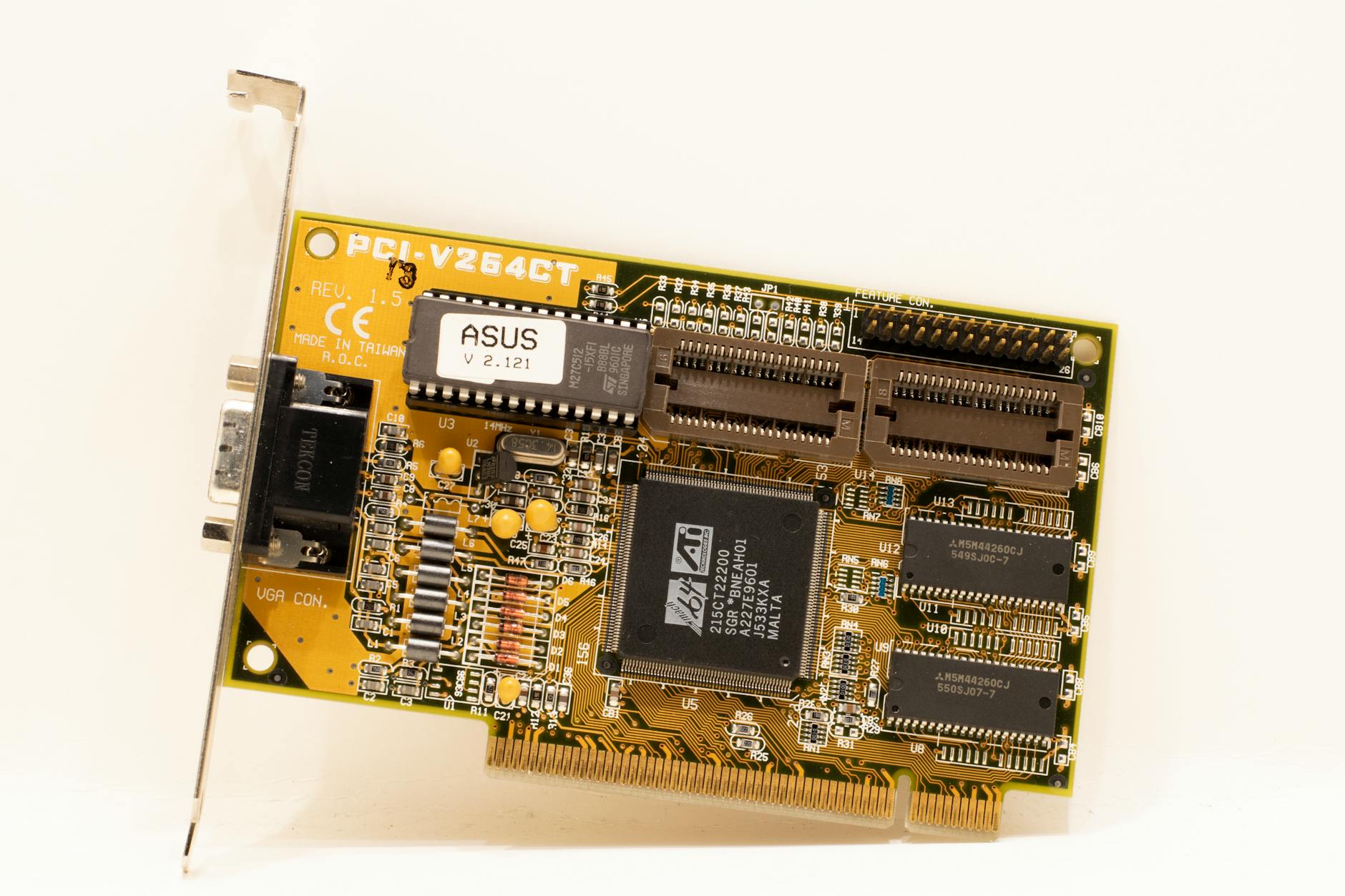
At its core, an NUC is a small form factor computer designed for efficiency and versatility. Unlike larger desktop towers that house extensive cooling systems and power supplies, the NUC prioritizes density – packing considerable computing capabilities into a remarkably slim chassis. The ‘Next Unit of Computing’ moniker reflects this design philosophy: it's the next step in compact computing solutions.
Key Features & Design Philosophy
ASUS has consistently refined its NUC offerings, focusing on several key areas that define their appeal
- Powerful Processing: The current generation of ASUS NUCs leverages Intel’s Core processors, providing a robust foundation for various workloads. These CPUs are engineered to deliver impressive performance while maintaining low power consumption – crucial for the compact form factor.
- Customization and Expandability: A significant strength of the NUC is its adaptability. Users can tailor their system to specific needs through a range of expansion options, including M.2 slots for NVMe SSDs, PCIe slots for adding graphics cards or other peripherals, and various connectivity ports.
- Compact Footprint: The slim design allows for seamless integration into diverse environments – from home entertainment setups to industrial control panels. This compact size drastically reduces clutter and optimizes space utilization.
- Quiet Operation: ASUS incorporates advanced thermal management technologies within the NUC series, often resulting in remarkably quiet operation even under heavy load. This is a critical factor for users prioritizing a peaceful computing experience.
Applications of the ASUS NUC
The versatility of the NUC has led to its adoption across a broad spectrum of applications
1. Gaming PCs
While not typically designed as dedicated gaming rigs, many NUC configurations can handle modern games effectively, particularly when paired with a discrete graphics card through PCIe expansion. The compact size allows for easy integration into smaller gaming setups and provides a unique aesthetic.
2. Professional Workstations
The robust processing power of the Intel Core processors within NUCs makes them suitable for professional applications such as video editing, 3D rendering, CAD/CAM design, and software development. The ability to customize with additional RAM and storage further enhances their performance in these demanding tasks.

3. Internet of Things (IoT) Solutions
The NUC’s small size, low power consumption, and connectivity options make it ideal for IoT deployments. They can serve as edge computing devices – processing data locally before transmitting it to the cloud – in applications such as smart home automation, industrial monitoring, and environmental sensing.
4. Digital Signage
NUCs are frequently used as digital signage players, delivering high-resolution content to displays across various locations. Their compact size allows for discreet placement, while their processing power ensures smooth playback of multimedia content.
5. Thin Clients & Virtual Desktop Infrastructure (VDI)
The NUC’s efficiency and connectivity make it a viable option for thin client deployments – providing access to virtual desktops over a network. This reduces the need for powerful local workstations, saving on hardware costs and energy consumption.
ASUS NUC Generations & Key Technologies
ASUS has continuously evolved its NUC line, introducing new generations with advancements in processing power, connectivity, and features. Here’s a brief overview
- Early Generations: Initial NUC models focused on delivering core computing performance within a tiny footprint.
- Current Generation: The latest iterations feature enhanced Intel Core processors, Thunderbolt 4 support for rapid data transfer and display connectivity, and improved thermal management systems.
- Connectivity Options: Expect to find a wide range of ports, including USB-A, USB-C, HDMI, DisplayPort, Ethernet, and often Wi-Fi and Bluetooth connectivity.
Choosing the Right ASUS NUC for Your Needs
Selecting the appropriate NUC depends heavily on your intended application and budget. Consider these factors
- Processor Selection: Match the processor to your workload’s demands – a higher-end Core i7 or i9 will excel in demanding tasks, while a Core i5 might suffice for lighter applications.
- RAM Capacity: Sufficient RAM is crucial for multitasking and running memory-intensive software.
- Storage Options: NVMe SSDs offer significantly faster storage speeds compared to traditional HDDs.
- Connectivity Requirements: Ensure the NUC offers the necessary ports for your peripherals and accessories.
The ASUS NUC represents a compelling solution for those seeking a powerful, adaptable, and space-saving computing option. Its versatility has cemented its place in various industries and applications, and continues to evolve alongside advancements in technology.


