The Elder Scrolls III: Morrowind is a game that defies easy categorization. Released in 2002, it was ahead of its time in world-building—its hand-drawn maps, layered factions, and cryptic lore still feel alive today. Yet its combat system, built on hidden stat rolls and silent failures, now reads as a relic of an era when technical limitations forced creativity over polish. Larian Studios’ publishing chief Michael Douse has made a bold claim: a remake of Morrowind, with modernized mechanics but intact atmosphere, would sell out in days. The question isn’t whether it could succeed—it’s whether Bethesda is willing to take the risk.
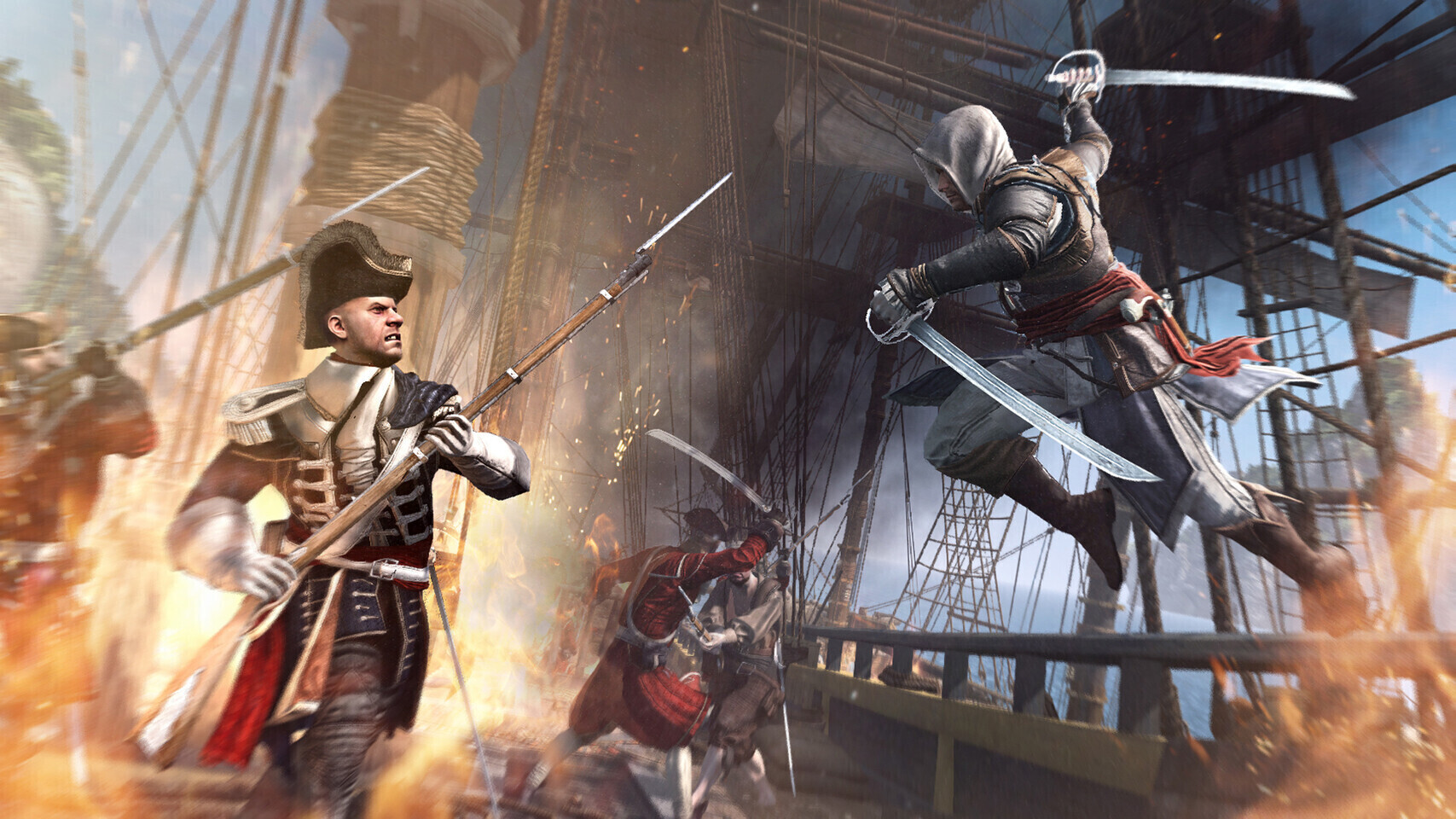
The core tension lies in balancing nostalgia with modern expectations. Douse’s proposal hinges on integrating a visual combat system akin to Fallout 3’s VATS—where dice rolls are tangible and first-person combat feels responsive—without erasing the game’s identity. The challenge is monumental. Morrowind’s world thrives on obscurity: its dialogue is deliberately vague, its quests often obscure, and its mechanics reward patience over precision. A remake would need to preserve that mystique while making its systems accessible.
Yet the obstacles are clear. Bethesda’s track record suggests a preference for incremental updates over full reinventions. Skyrim’s endless modding support and Fallout’s DLC pipeline demonstrate a business model built on sustaining, not transforming, its franchises. Even Oblivion, despite its flaws, received a next-gen remaster—while Morrowind, with its more dedicated fanbase, was left untouched. The reason? Part practical, part philosophical. Morrowind’s combat isn’t just outdated; it’s actively frustrating by today’s standards. Modern players expect feedback—whether a missed attack or a critical hit—yet Morrowind’s system often delivers silence.
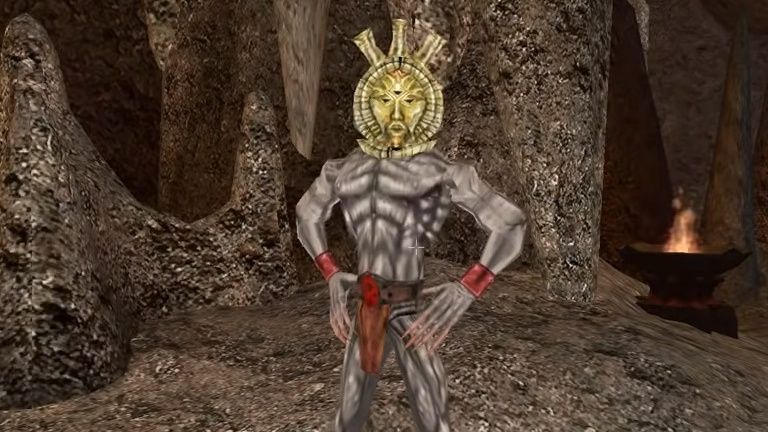
There’s also the question of audience. Morrowind’s appeal is niche. Its cryptic design, lack of hand-holding, and reliance on player curiosity alienate casual gamers. Yet its cult following is fierce. A remake would need to appeal to both new players and veterans—a delicate balancing act. The Silent Hill 2 remake offers a template: modernize the technical side while preserving the soul. But Morrowind’s soul is deeply tied to its quirks. Would a polished combat system dilute what makes it special?
The bigger issue is whether Bethesda—or any studio—has the appetite for such a project. Remakes are expensive, risky, and require a long-term vision. Bethesda’s recent missteps, from Starfield’s underwhelming launch to Dishonored’s creative stagnation, suggest a company more comfortable with safe bets than bold reinventions. Yet the demand is undeniable. Fans have clamored for a Morrowind update for years, and the success of indie remakes like Resident Evil 4 proves there’s an appetite for modernized classics.
Douse’s argument boils down to this: Morrowind’s world is timeless, but its mechanics are not. The question is whether Bethesda will listen—or if another studio will step in to deliver what fans have waited 24 years for.
What’s certain is that the debate over Morrowind’s future forces a broader conversation about legacy games. Can they be saved by updates, or do they need radical reinvention? The answer may determine the fate of gaming’s most beloved relics.